In this section

Crime, Law & Justice Studies

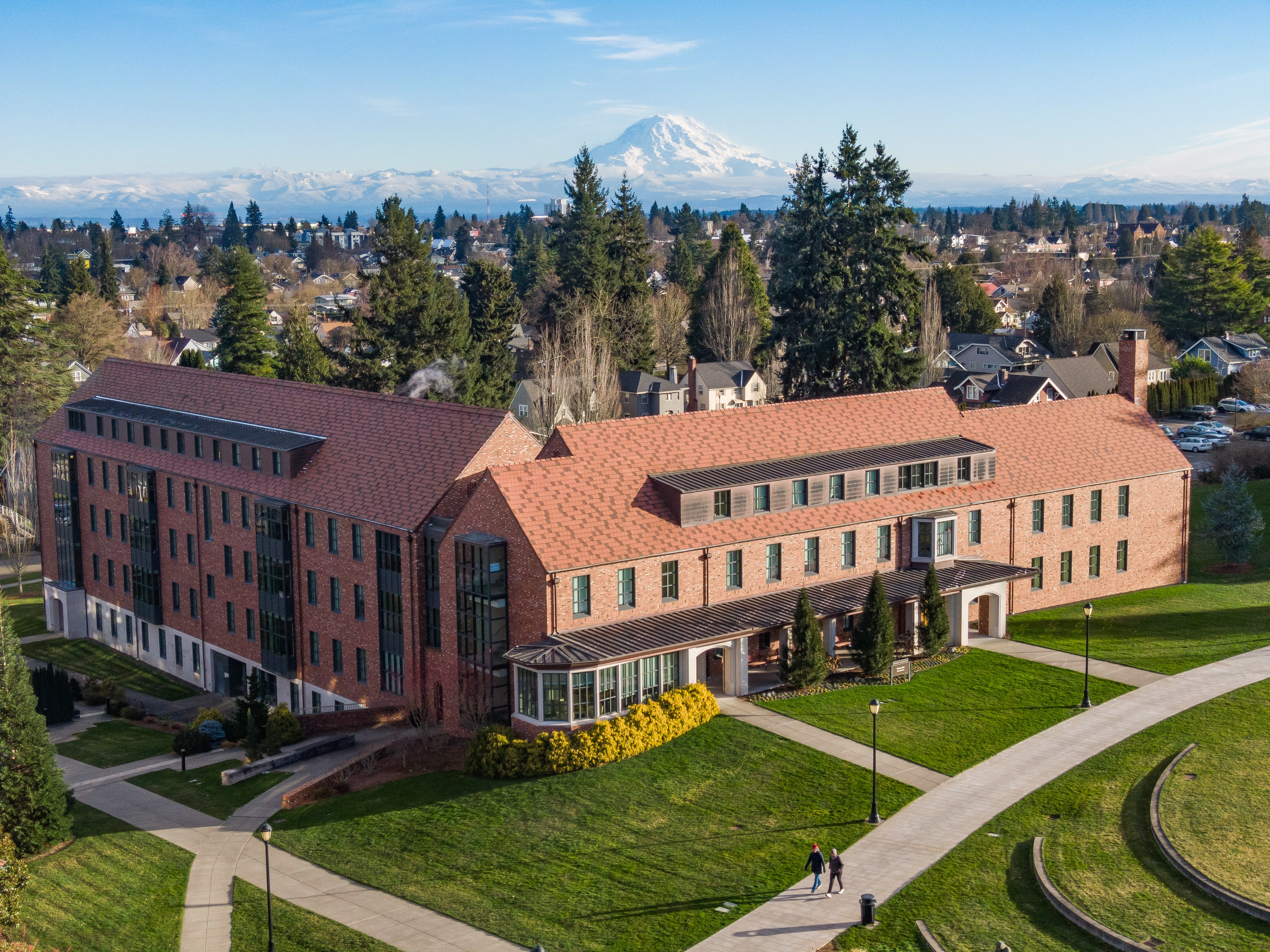
Wyatt Hall, Room 130

Administrative Support

Connie Baird


Program Description

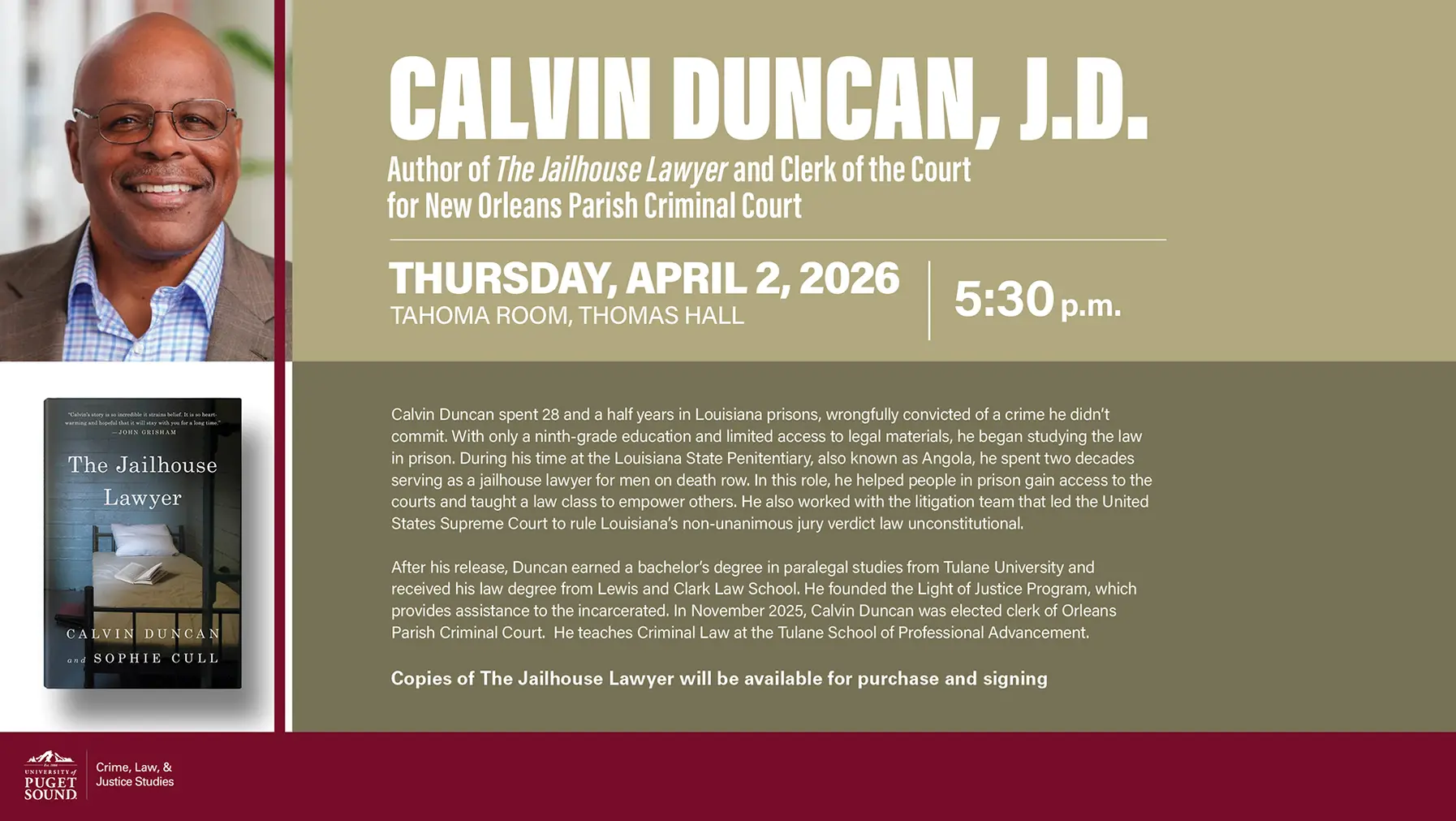
Crime Law and Justice Studies (CLJ) is an innovative and interdisciplinary program that enables students to study the criminal legal system in the U.S. and globally. Students take traditional CLJ courses such as Crime and Punishment in the U.S. as well as courses like Global Prisons and Confinement, Detective Fiction, The Philosophy of Law, and Murder and Mayhem under the Microscope. We regularly bring police detectives, judges, public defenders, prosecutors, restorative justice advocates, community members, and legislators to speak in classes. As a result, students gain expertise in law, policing and carceral studies through interactions with practitioners in the field.

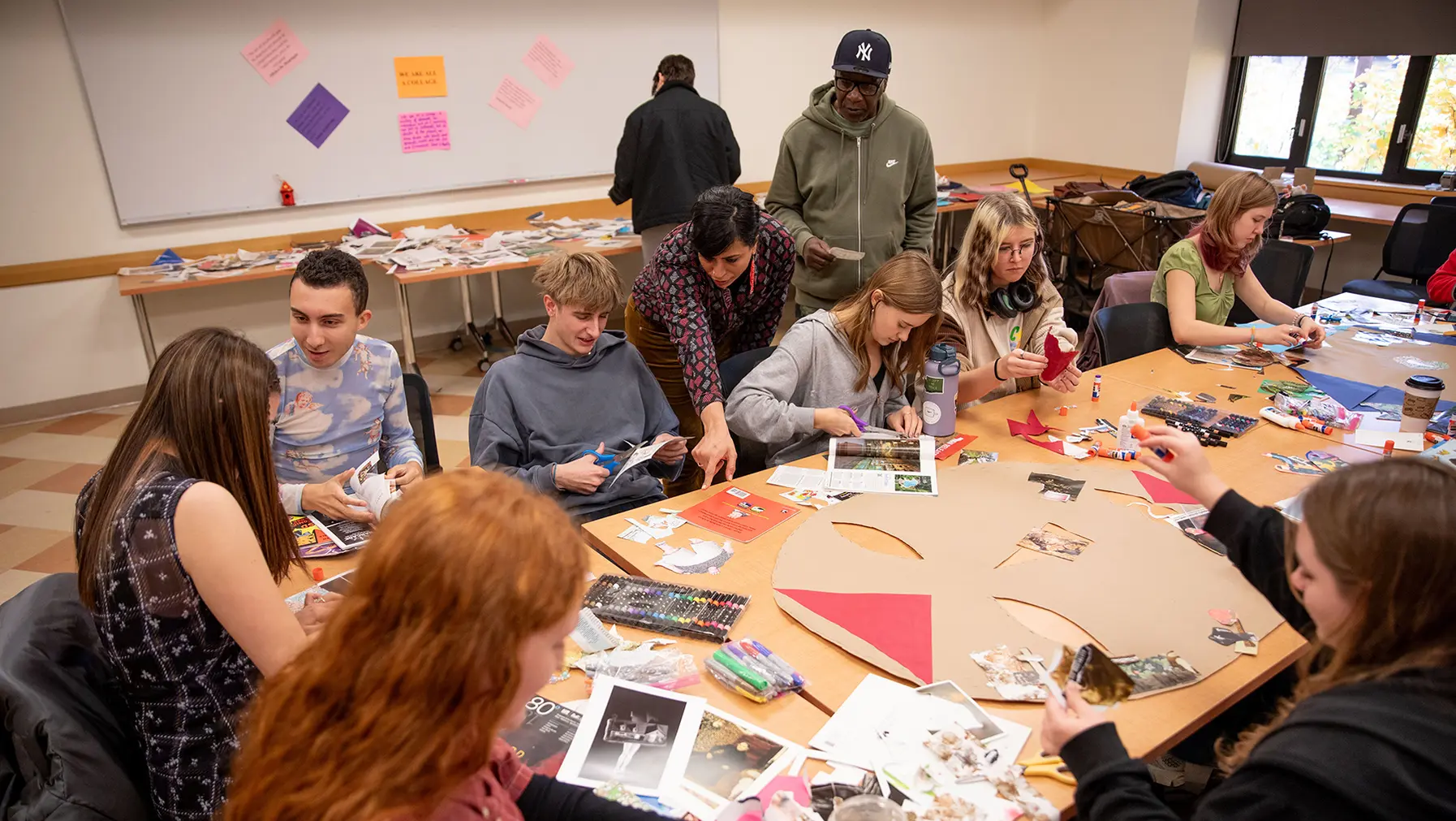
The minor includes opportunities for experiential learning and research for undergraduates. The university offers a BA degree for people incarcerated at the Washington Corrections Center for Women. CLJ students have the opportunity to participate in joint classes and attend study halls with students in prison and learn from alumni and experts on higher education in prison. In May 2027, students will visit prisons and criminal legal reform organizations in Scandinavia. Students complete summer research projects through dedicated CLJ grants.

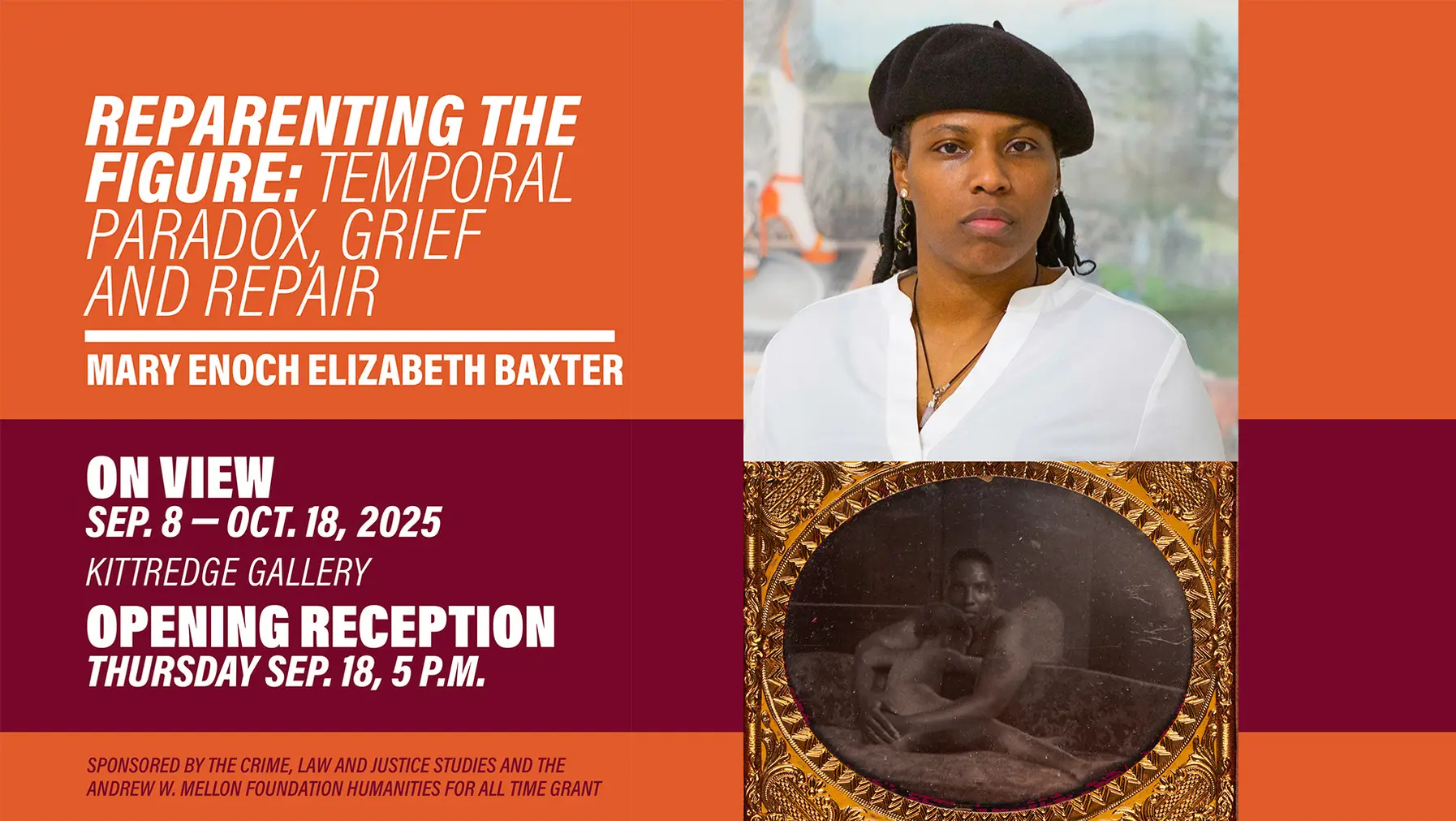
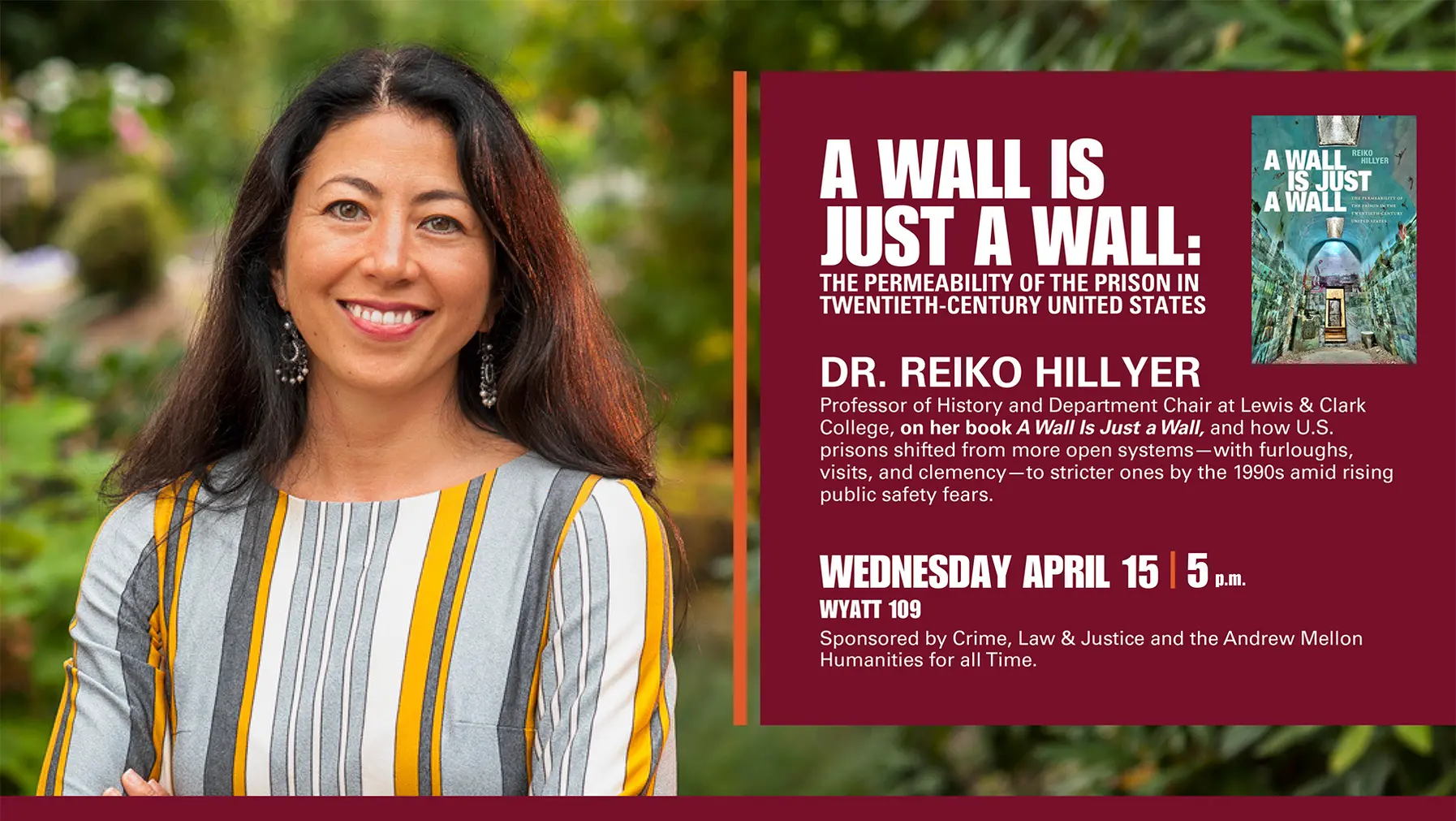
With our 3-year Humanities for all Time Grant from the Mellon Foundation, we also bring speakers, visiting artists and hold conferences on campus that connect students to leaders in the field.
Who You Could Be
  • Counselor
  • Educator
  • Advocate
  • Case manager
  • Investigator
  • Restorative Justice Leader
  • Legislator
  • Public Defender
  • Lawyer
  • Non-profit Justice organization program coordinator/ administrator
What You'll Learn
  • How crime, policing, and prisons intersect with questions of justice, fairness and structural inequality in the U.S., present and past
  • How to engage in collaborative policy, practice and research through direct involvement with organizations and people working in the field of crime, law and justice
  • Skills in writing, oral communication, and analysis
  • A deep knowledge of carceral systems and the law, and how individuals experience those systems
SAMPLE COURSES

This course is an examination of the immigration state- the apparatuses and methods that have largely developed from the late nineteenth century onwards to detain and deport migrants from the U.S. Similarly, this course will also detail how these developments and systems have been contested at various points. On the walls of Angel Island, in the El Centro Immigration Detention Camp, in the halls of U.S. courts, and countless other spaces, everyday actors and political organizations have contested these policies throughout U.S. history. Along the way, this course will also consider how related developments around the carceral state, U.S. migration policy, foreign policy, and a range of other factors have shaped the stories of U.S. detention, deportation, and resistance.

Code
Social Scientific and Historical Perspectives

Prisons worldwide are widely acknowledged as institutions that impose strict limits on individual autonomy and mobility. Yet people's freedoms are regulated through spatial and disciplinary technologies that exceed the prison. This course will explore
how prisons and carceral systems are interconnected and operate globally. We will ask questions such as why are young women in India's university hostels subject to routine surveillance and "curfew" hours? How are state energy projects for environmental conservation implicated in the confinement of marginalized fishing communities in Rwanda? To explore these we will look at how technologies of surveillance, bodily regulation, time, and labor popularly associated with the prison
are exported to different domains of our everyday lives. And how families, communities and institutions engage, embrace, resist, and reinvent these technologies from a cross-cultural and dynamic perspective. The course will pay attention to how they interact with structures of caste, and race that differentially
impact people across a range of institutional and intimate sites such as psychiatric institutions, shelters, homes, and neighborhoods.

Code
Social Scientific and Historical Perspectives

This course focuses on controversies in forensic science and criminal law. Through a series of case studies, students examine the role of scientists, law enforcement officers, lawyers, and historians in investigating crimes of social and political significance. Topics include the past and present debates over the identity of Jack the Ripper and the use of the lie detector, wiretapping, and pattern evidence (e.g., ballistics and handwriting analysis) in criminal investigations and trials.

Code
Connections 200-400 Level

This course explores crime fiction¿prose novels, graphic novels, and short stories¿from 20th and 21st century Asia and the Pacific Rim. Our focus will be on stories that intersect with social, cultural, and political themes related to matters of justice, allowing us to utilize multiple disciplinary lenses, including those of law, literature, history, sociology, anthropology, and gender studies. Topical sub-themes to be explored include political coercion, political malfeasance, gendered violence, colonialism, migration, and human trafficking.

Code
Connections 200-400 LevelKnowledge, Identity, and Power

This class draws upon the disciplines of history, law, and religious studies to understand how religious liberty has developed in the Anglo-American tradition. It traces a thousand-year trajectory by starting with the medieval doctrine of ¿two swords,¿ temporal and spiritual, in order to provide historical context for the American separation of church and state. It ends with contemporary Supreme Court battles over the free exercise clause. This is not only an American law class; it is an interdisciplinary inquiry into how religion and theology, history, and constitutional interpretation intersect to define the boundaries between religion and the state in the Anglo-American tradition.

Code
Connections 200-400 Level

Experiential Learning

Students who minor in CLJ would have the unique opportunity to partner and connect meaningfully with incarcerated students in the Freedom Education Project Liberal Studies BA degree program and the AA degree program inside the Washington Corrections Center for Women, itself an accredited campus of the university in study halls, classes, joint research forums, and as research partners.

Learn more about Freedom Education Project Puget Sound

For the Capstone project, students directly connect with an organization in the field and create a project that examines people-centered, empirically-informed, and sustainable solutions to social problems in communities and/or institutions. These organizations might include: Nonviolent communication in prison, Incarcerated Mothers Project, Common Justice, WA Defender Association, ACLU Washington, West Coast Poverty Law Center, Dignity and Decarceration Coalition, Gender Justice Commission, Civil Survival, The If Project, Yoga Behind Bars, Prisoner Voice Washington, Black Prisoner Caucus, Disability Rights WA, Office of the Omsbuds, National Reentry Council, and the No New Women’s Prison Coalition.

Where Graduates Work

  • Legislative aide in the Washington State Legislature
  • Program manager at an Immigration Justice Non-profit
  • Program manager at the Freedom Education Project Puget Sound

Where Graduates Continue Studying

  • University of Washington School of Law