A Passion, a Pleasure, and a Career

Arches with wine grapes.

One of wine’s secret powers is that it stimulates all five physical senses. We look at its beautiful color in the glass. We appreciate its aromas, feel its texture and weight on the palate, and taste the miracle of fermentation that transforms grape juice into something that seldom tastes like a grape. Finally, we clink glasses in a toast, creating a bit of music to complete the experience. 

Who can resist? Now even people who do not consume alcohol can share in the wine experience because of the rise of quality de-alcoholized wines in America and around the world. 

Dorms Through the Decades

Residents in Anderson Hall in the 1950s

Whether filled with milk crates and lava lamps or LED lights and laptops, residence rooms at Puget Sound have always been more than just places to sleep. It’s the place where you go to relax after class, where you learn to fold your own laundry, where you spend all night writing a term paper, and where friendships are forged that can last for a lifetime. 

Music Man

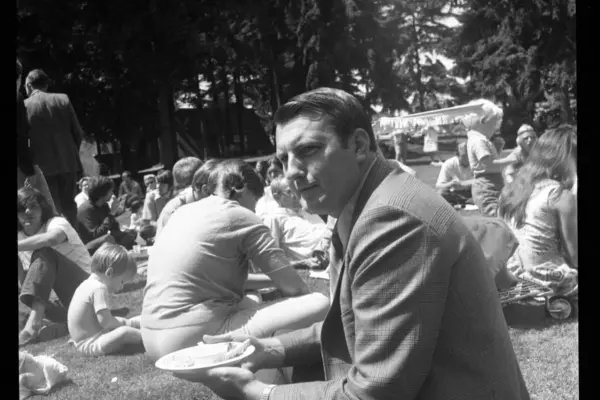
Gerard Kern '67

So in 2011—one year after his retirement from General Electric—the longtime clarinetist founded the Seattle Wind Symphony, an all-volunteer group of mostly professional musicians whose concerts feature top musical guests from around the country. 

More than a decade later, Kern, 83, who served as symphony president until 2018 and is now president emeritus, is proud the symphony has found the dedicated audience he believed would embrace it. 

Volunteering as a Life's Vocation

Students seated in rows for Commencement with their caps and gowns

Whether he was working with legislators on key educational issues as part of the U.S. National Parent Teacher Association (PTA) or helping University of Puget Sound students just beginning their collegiate journey, Pietenpol’s desire to help others has been unyielding. 

And to think, it all started with a food and safety committee. 

A Ticket to Ride

Weyerhaeuser Hall with Mount Rainier in the background

Vincent Maurer, who felt drained due to a demanding career in healthcare and the death of his sister, hadn’t ridden since he was a teenager, but as soon as he was back on the bike, he felt his burdens disappear. “It was just this therapeutic thing that was incredibly freeing,” he recalls. “It made me feel like I was a kid all over again.” 

Deeper Than the Skin

red brick hallway with arches to the right and double doors at the end.

She volunteered at a local zoo in her hometown of San Jose, Calif., thinking she was interested in being a veterinarian, but later shifted her focus to human health. As a second-year Matelich Scholar at Puget Sound, Jiang was accepted to a prestigious medical school through an accelerated pathway with support from staff in Puget Sound’s Health Professions Advising program. But it was an internship with the Neighborhood Clinic in Tacoma that solidified her passion for helping patients navigate the complex world of healthcare. 

‘It Felt Like Everything Had Come Full Circle’

Stumbling stones in Germany.

When Maddie Hanses ’20 was visiting Germany in 2019 as part of the Connections 330 course—Finding Germany: Memory, History, and Identity in Berlin—she was intrigued by the Stolpersteine, or Stumbling Stones, that she had learned about in class from Associate Professor Kris Imbrigotta. These four-inch concrete cubes, which are inscribed with the name and life dates of victims of Nazi extermination or persecution, commemorate the last place a person chose freely to live, work, or learn. Hanses said she looked for them wherever they travelled. 

Five Questions With Assistant Professor of Education Alisun Thompson

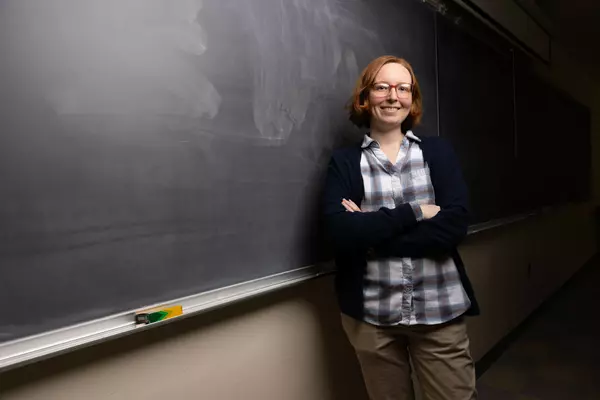
Asst. Prof. Alisun Thompson

Alisun Thompson has always aspired to be the kind of teacher she needed when she was in school. While she loved her time as an English teacher, she also saw firsthand many of the flaws in the K–12 education system. Her new book, Going the Distance: The Teaching Profession in a Post-COVID World (Harvard Education Press, 2024), presents an unflinching yet ultimately hopeful appraisal of the workplace factors that determine career risk and resilience among teachers, informed by the lessons of the pandemic.