Faculty, Arches

Inside the World of Intensive Grandmothering

What does it mean to be a grandmother today? For many, it’s no longer just weekend visits or holiday baking. As Jennifer Utrata, professor of sociology at Puget Sound explains, grandmothers across the country, often assisted by involved grandfathers, are stepping into daily, essential caregiving roles like never before. Her in-progress book manuscript, Keeping the Kids Afloat: Intensive Grandmothering and Family Inequality, uncovers how this quiet shift is transforming family life, and placing new, often invisible demands on an older demographic.

A DUAL ROLE AT HOME 

 
“Intensive grandmothering isn’t just about love, it’s unpaid labor focused on easing adult children’s lives and supporting grandchildren’s well-being,” says Dr. Utrata. Families are turning to grandmothers for extensive childcare, domestic and logistical support, and even financial assistance. 
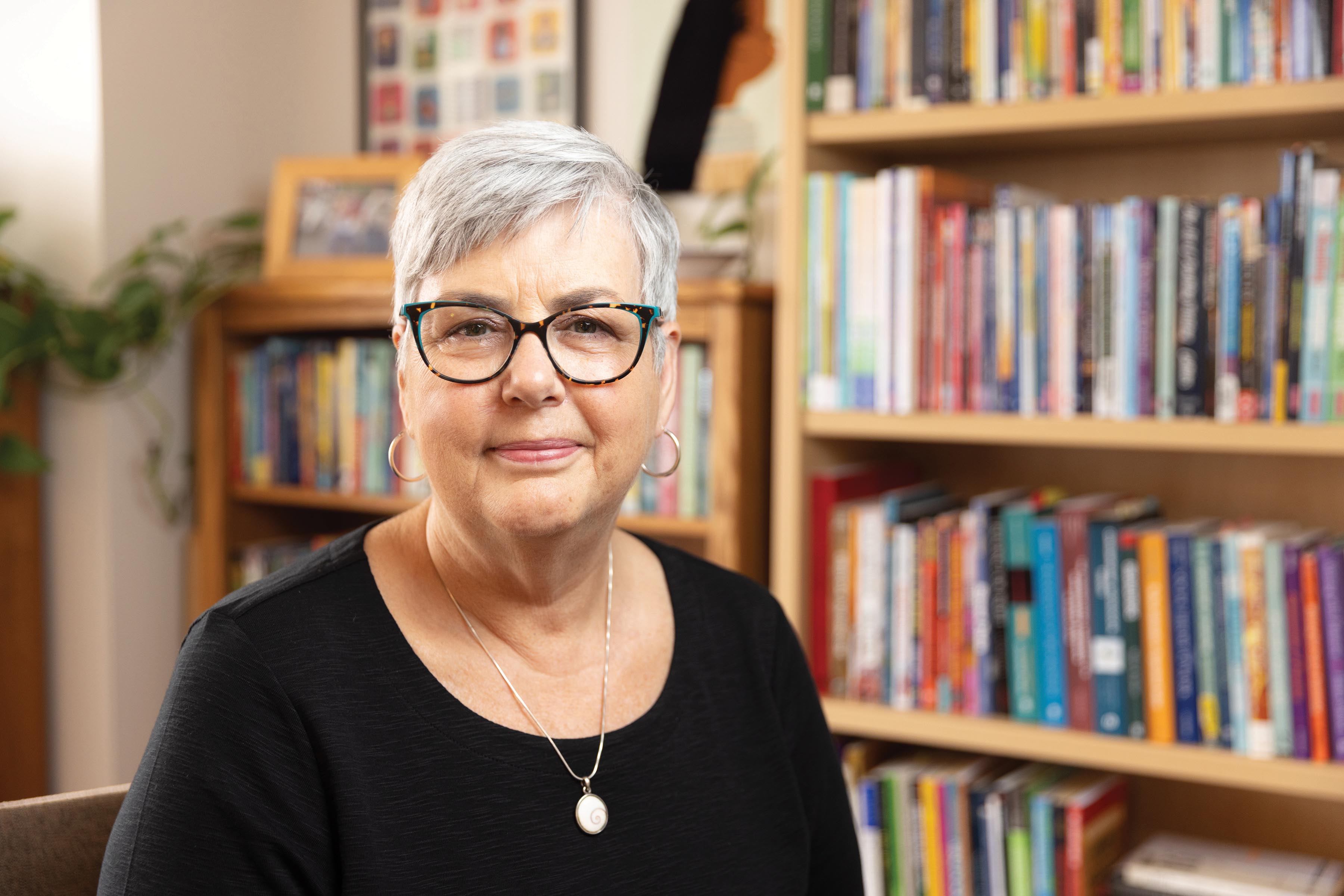
Prof. of Sociology Jennifer Utrata

MIDDLE-CLASS AND MAXED OUT 

 
Once concentrated in lower-income, immigrant families, or families of color, intensive grandmothering is now becoming widespread in white, middle-class households. Utrata notes, “Many families are relying on grandmothers to bridge the widening gap between intensive jobs and parenting expectations.” 
 

FEMINIZED CAREGIVING 

 
While caregiving roles are slowly evolving, women remain the default helpers. “There’s an unspoken assumption that older women, not men, will be both available and willing to help their children with childcare and related tasks,” Utrata explains, underscoring how deeply rooted gender norms persist, even across generations. 
 

WHEN A YEAR TURNS INTO YEARS 

 
“Grandmothers want to ease their daughters’ stress,” Utrata says, “but what begins as a short-term favor can stretch into years of ongoing care. Grandmothers enjoy developing a unique bond with their grandchildren, but they often have mixed feelings about retiring earlier than planned, skipping social activities or exercise, and making other sacrifices to help grown children manage parenthood.”