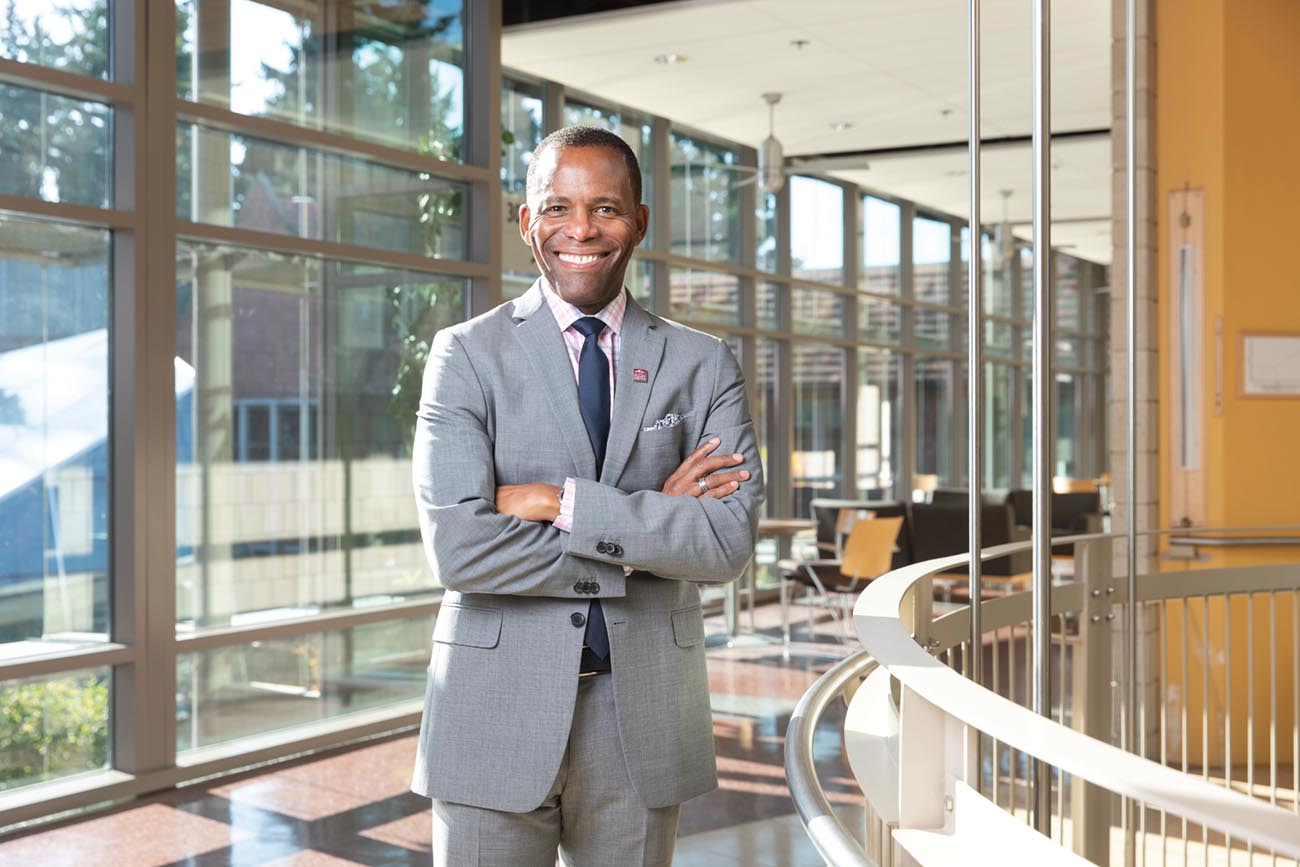
With George Erving, Professor of English, Humanities, and Honors; Honors Program Director
COURSE DESCRIPTION
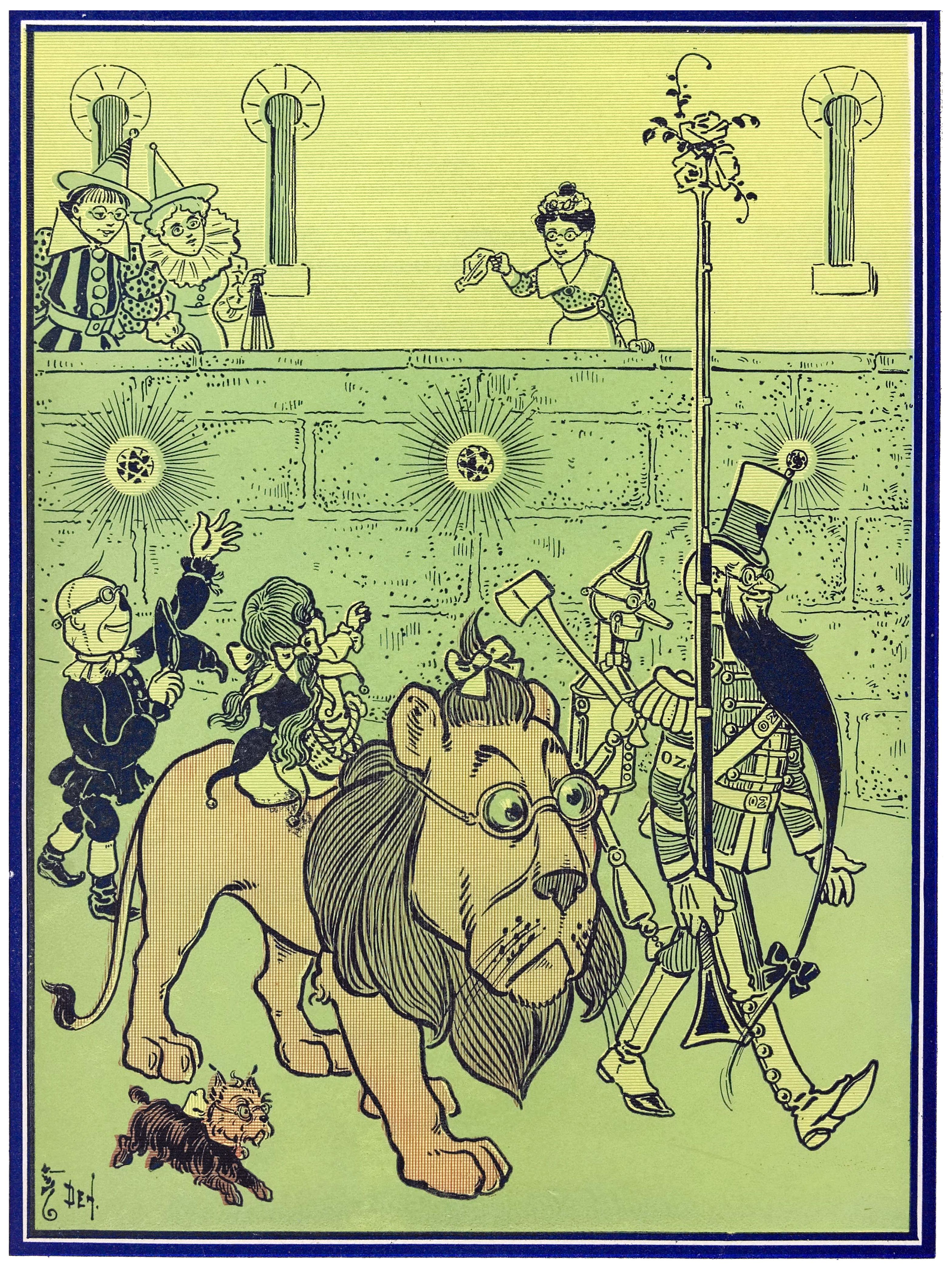
This course argues that the answers to some of the “big” questions that attend the human condition — such as what am I, what is the universe, and what gives my life meaning — depend upon one’s assumptions about the underlying nature of reality. The course begins by examining modernity’s mainstream, scientific worldview, which holds that reality is ultimately reducible to inert material particles obeying mechanistic laws of motion. It then explores the contrary worldview suggested by quantum physics and elaborated upon in the traditions of philosophical idealism, Eastern religions, Western mysticism, and the beliefs of numerous Indigenous cultures — namely, that reality is an infinite consciousness. Students weigh the arguments, evidence, and implications for each.
PRACTICAL ASPECTS
Along with discussions about what a “liberal arts” education means conceptually, and what its status in higher education suggests about society in general, the course considers the practical aspects of a liberal arts education and provides tools to help students succeed. Students are introduced to some of the helpful resources available on campus, and they are given space to consider their academic strengths and interests, to identify opportunities for growth, and to build relationships and community with other students in this class and in the Honors Program.
ALL ABOUT CONNECTIONS
Connections courses like CONN 195 offer first-year students substantive topics and themes as context for introducing the multidisciplinarity of a liberal arts education. As one of two foundational seminars for first-year students in the university’s new core curriculum, these 100-level seminars welcome students to the academic community at Puget Sound by integrating the introduction to the liberal arts with the development of skills for lifelong learning in diverse communities.
THE PROF’S VIEWPOINT
“The seminar is now in its second year and serves as the prequel to the new Honors Program minor in ‘Consciousness, Creativity, and Meaning’ — a five-course interdisciplinary pathway that examines what is perhaps the most vexing problem confronting modern science: the origin and nature of consciousness in sentient organisms. By ‘consciousness,’ I mean the awareness with which everything is experienced (perceived, felt, thought, imagined, dreamed, etc.). In short, your consciousness is what it’s like to be you — it’s the most familiar thing you know, but it’s also a total mystery. And when you begin to look at all the attempts to understand consciousness, you have the basis for a fascinating, wide-ranging program of study that includes neuroscience, philosophy, biology, Indigenous studies, religions, mystical traditions, and the arts.”
Erving adds: “The seminar introduces Honors first-year students to key theoretical concepts that inform the minor, and launches their journey into the life of the mind. While exploring the philosophical, ethical, and practical ramifications of the seminar’s ideas, they learn to formulate questions that encourage productive dialogue and that demand generous, attentive listening, both to one another and to their authors. It helps tremendously that the roughly 30 first-year students admitted each year live together in Regester Hall where conversations that begin in the morning’s class often extend well into the night and then find their way back; it doesn’t take long for a community of intellectual adventurers to form who are excited to explore ‘big’ questions about the nature of consciousness, the universe, and the role of humankind in the play of existence.
"For this anxious generation of students, who aspire above all else to live meaningful lives, the shared sense of purpose they develop in the Honors living-learning community models essential elements of what such a life might look like. We’re hugely encouraged to see how the joy they’re finding in collaborative learning suggests a hopeful alternative to what they witness elsewhere in today’s climate of social and political intolerance.”
Classes for a Changing World is a regular feature in Arches that spotlights one of the scores of inspiring, innovative, and timely courses offered each semester at Puget Sound.