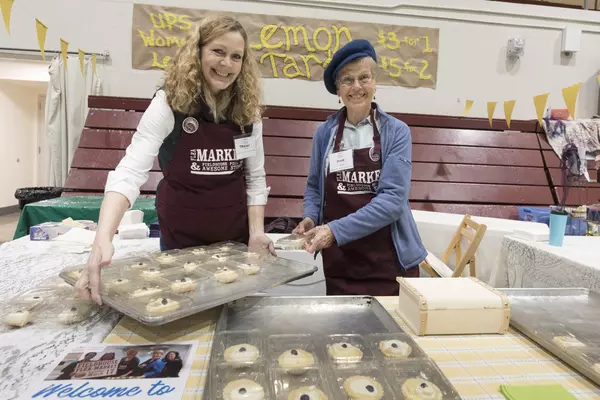
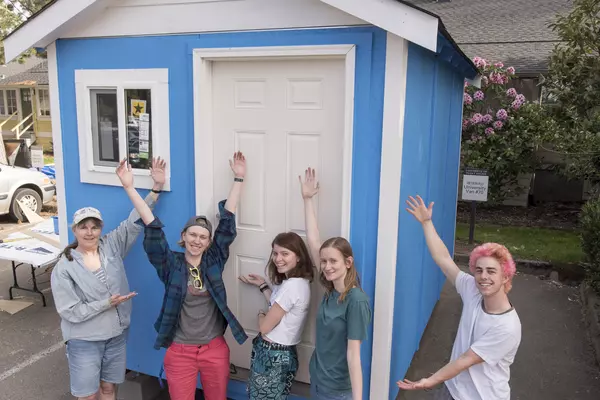
Students turn spring break into a social justice master class
Worth the Read
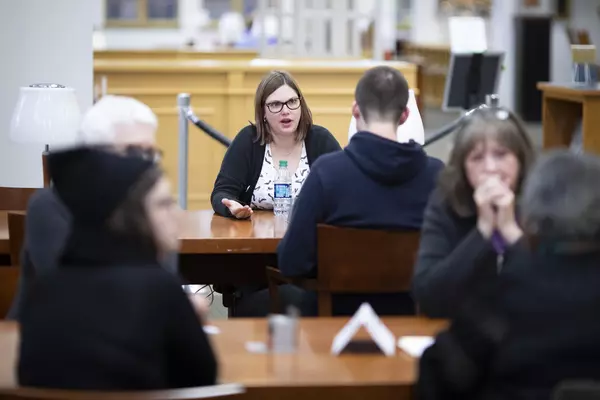
When you enter Collins Memorial Library on a regular day, it’s usually filled with students finding reference materials or working quietly, but one evening in early November, this was not the case. Instead, small groups of people sat in various spots throughout the first floor, having lively conversations. And the reference materials being checked out were not books, but people.

McCarver Day
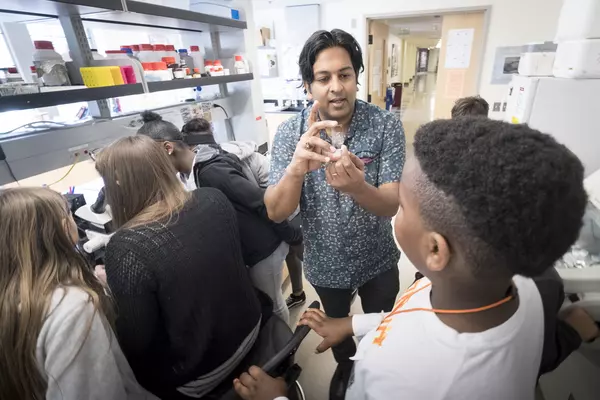
Under the microscope in neuroscience professor Siddharth Ramakrishnan’s lab, the tiny heart of a Japanese rice fish embryo was beating.
And the group of fifth-grade visitors from Tacoma’s McCarver Elementary School had questions. “When will they be born?” one student asked. “How long does it take for them to grow up?” asked another.
Getting a Beer With Voldemort
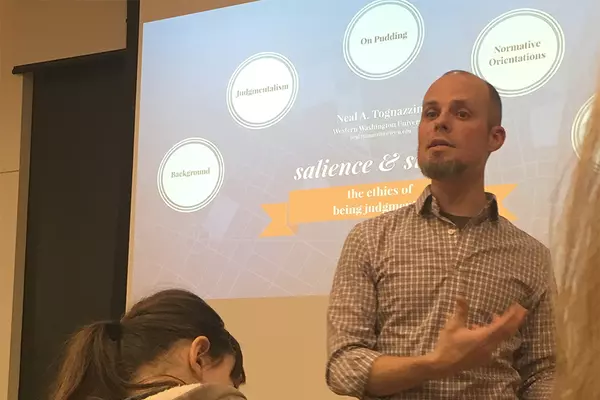
So she invites accomplished philosophers to bring the field to life.
Most recently, Western Washington University philosophy professor Neal Tognazzini, who has authored dozens of scholarly articles and edited several books that explore issues of the human agency such as free will, blame, and responsibility, visited campus.