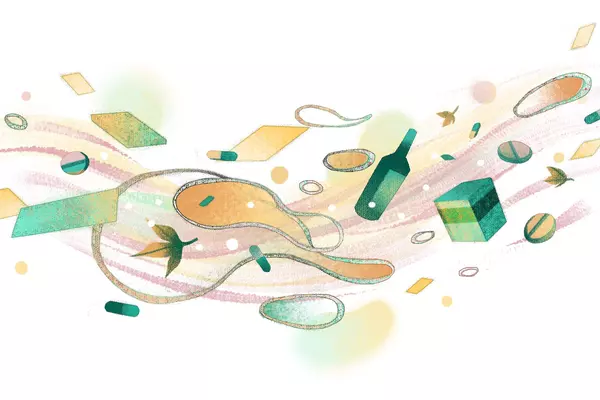
Chemist Dan Burgard is at the forefront of an exciting—and stinky—field: wastewater analysis
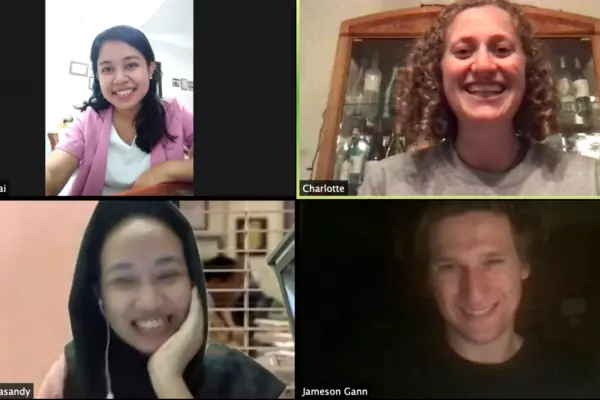
Picture this: Inside a bustling mega mall in Yogyakarta, Indonesia, 10 Puget Sound students are trying to get their bearings. Anthropology professor Gareth Barkin has just tasked them with talking to the shoppers—many of whom are locals and don’t speak English—about hijabs, specifically how the religious headscarf has become high-fashion among young, Indonesian Muslims. It’s an unfamiliar topic for the students, who are already outside their comfort zones in a foreign country.
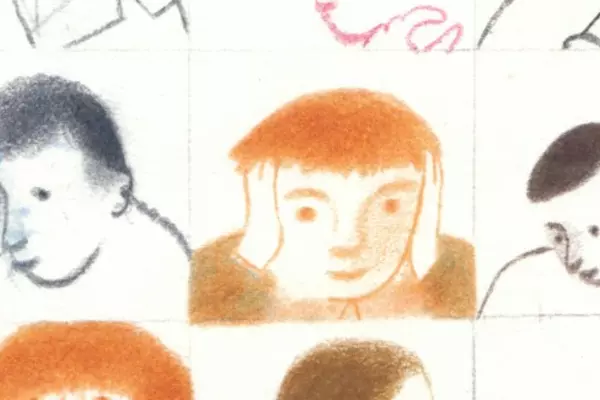
Despite the obstacles to teaching and learning while under COVID-19 quarantine orders, the Puget Sound faculty displayed agile and creative adaptability in the crisis. Some professors kept it old school, sending packages of tools and coursework to students’ homes; others went digital, using platforms such as Google Jamboard and Slack. Most courses used one video platform or another, including the campus’s learning management system, Canvas. Here are just a few examples of ways that faculty members adapted.

Robert McPherson ’91 has been singing since he was a very young boy. “I was a preacher’s kid. I grew up singing gospel,” he says.
Decades have passed since he performed his first solo, but McPherson’s passion for music is as strong as it ever was. Instead of singing traditional gospel tunes, he’s an accomplished operatic tenor. And even though the coronavirus has shuttered performance venues across the country, McPherson is still singing for his public, online.
Jolie LiBert ’20 was overwhelmed. Home in Flushing, N.Y., for spring break, the Puget Sound senior had moved from one coronavirus epicenter to another. It was mid-March, and virus cases in both Washington and New York were trending sharply upward every day. “I told my mom, ‘I wonder how I can proactively think about this without reading bleak statistics,’” LiBert recalls.