Finding a Way

Two people sitting outside

Kaela Hamilton ’20 presented her senior thesis research in biology in late April from a room in her boyfriend’s house in Tempe, Ariz. Using her laptop and Google Meet software, she showed a series of slides about her research on the composition and distribution of epiphytes on bigleaf maple trees while her advisor, Assistant Professor Carrie Woods, and about two dozen faculty members and students watched from their respective homes.

Cultural Exchange From Home

video conference call

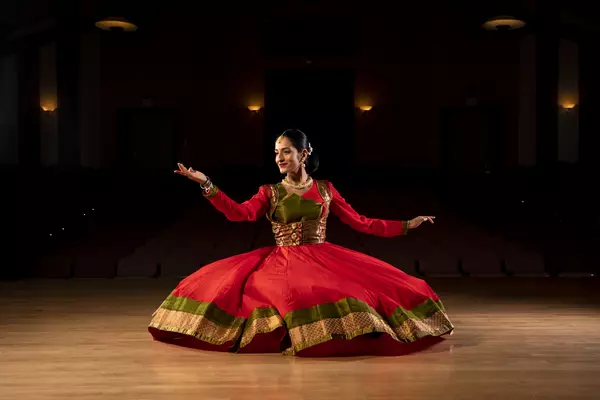
Picture this: Inside a bustling mega mall in Yogyakarta, Indonesia, 10 Puget Sound students are trying to get their bearings. Anthropology professor Gareth Barkin has just tasked them with talking to the shoppers—many of whom are locals and don’t speak English—about hijabs, specifically how the religious headscarf has become high-fashion among young, Indonesian Muslims. It’s an unfamiliar topic for the students, who are already outside their comfort zones in a foreign country.

Home School

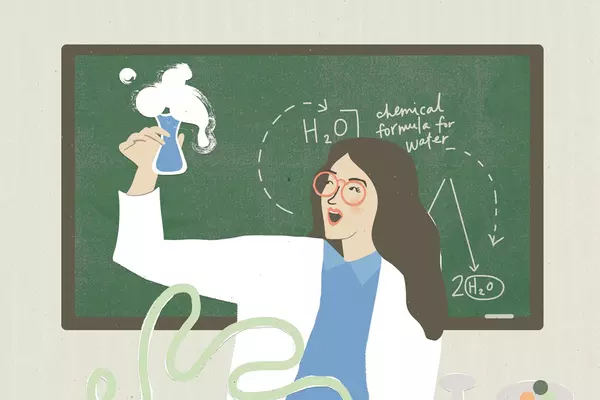
Drawing of four different people's headshots

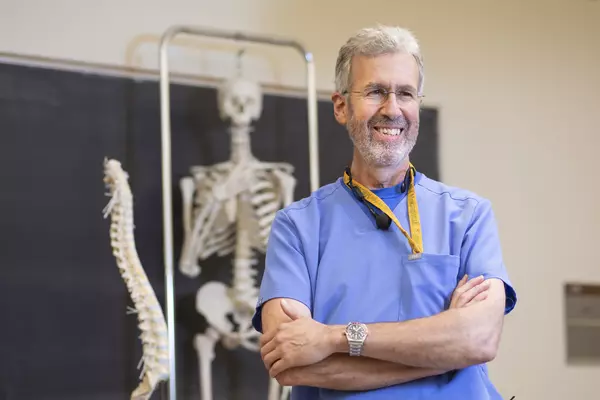
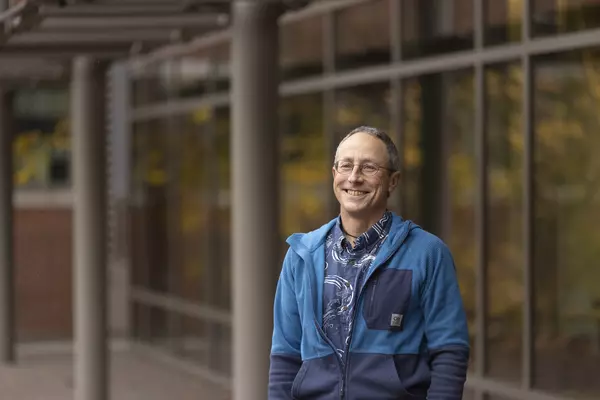
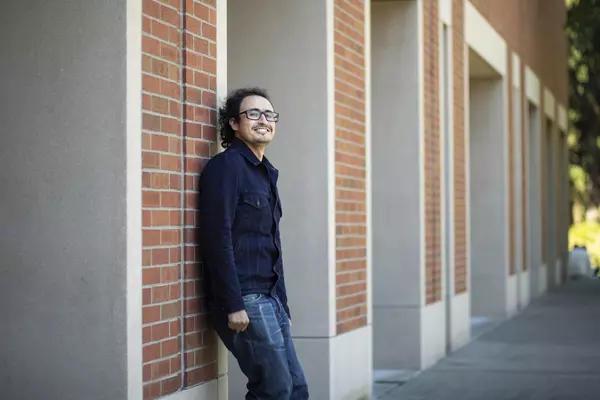
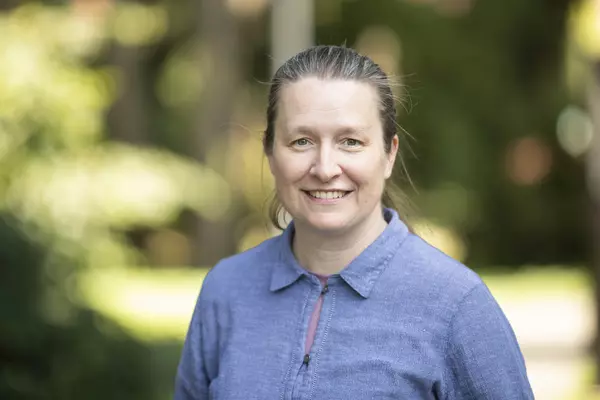
Despite the obstacles to teaching and learning while under COVID-19 quarantine orders, the Puget Sound faculty displayed agile and creative adaptability in the crisis. Some professors kept it old school, sending packages of tools and coursework to students’ homes; others went digital, using platforms such as Google Jamboard and Slack. Most courses used one video platform or another, including the campus’s learning management system, Canvas. Here are just a few examples of ways that faculty members adapted.

Knowledge Over Fear

Suburban landscape with mountain in the background

Jolie LiBert ’20 was overwhelmed. Home in Flushing, N.Y., for spring break, the Puget Sound senior had moved from one coronavirus epicenter to another. It was mid-March, and virus cases in both Washington and New York were trending sharply upward every day. “I told my mom, ‘I wonder how I can proactively think about this without reading bleak statistics,’” LiBert recalls.

The Skinny on the Census

Illustration of many hands up in the air

In 2020, as it does every 10 years, the U.S. Census Bureau will attempt to make an official, complete count of the population. Andrew Gomez, assistant professor of history, uses data from the census in his research (on early Cuban communities in the U.S.) and his teaching (on the history of the census, as well as how immigration has shaped U.S. cities over time). Here, he shares seven things you might not know about the census.

The VP of People

Jill Nealey-Moore

The daughter of two psychologists—one a professor at Oklahoma State University—she thought her mother’s grad students looked miserable and wondered why anyone would want to get a Ph.D. She took a different route in college herself, initially pursuing medicine. But psychology was in her blood, and soon she found herself more interested in how people felt about their illnesses than in healing them.