The Joy of Dance

Ameera Nimjee

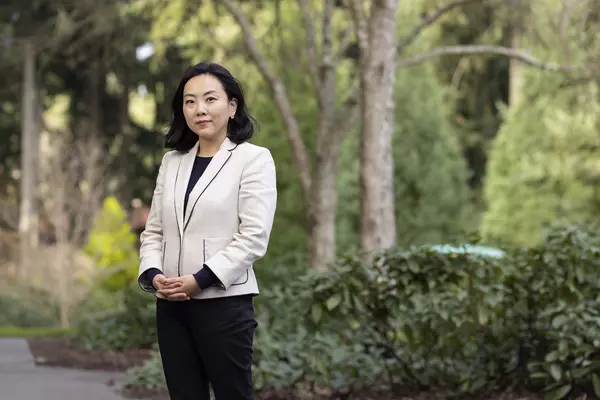
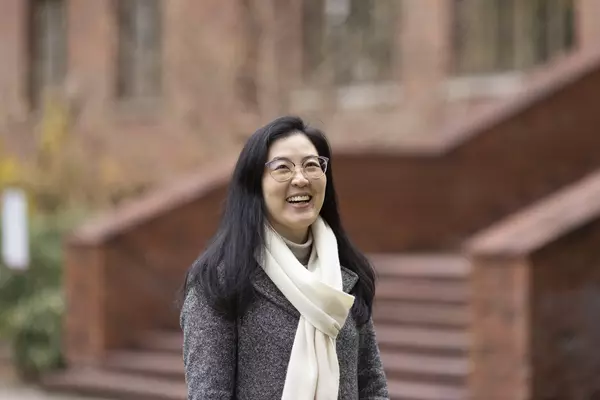
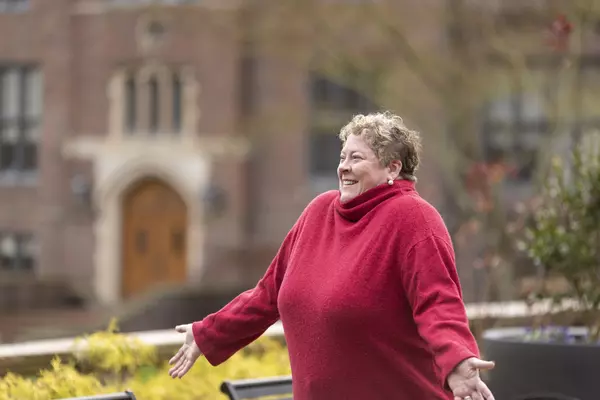
On a shelf in Ameera Nimjee’s study sits a small, garlanded statue of Nataraj, the Hindu god of dance. It’s an appropriate icon for an Indian classical dancer to own: Nimjee, assistant professor in the School of Music and the university’s first ethnomusicologist, is trained in Kathak, an Indian classical dance form known for its crisp, rhythmic footwork and evocative storytelling through hand movements and facial gestures. She is every inch the dancer: graceful, poised, expressive with her hands and eyes—even though she didn’t begin dancing until she was 18.

Adaptation

Stacey Weiss

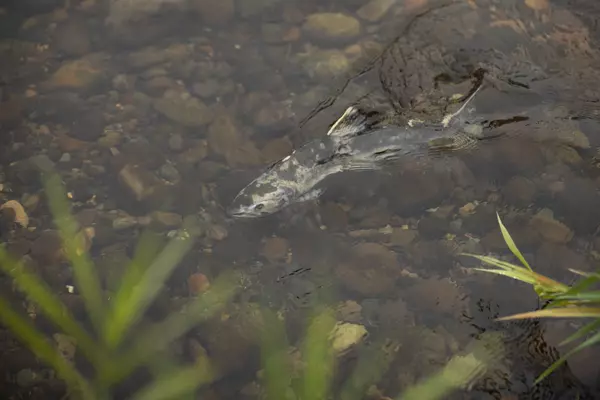
Stacey Weiss didn’t have to look very far to find new lizards. When COVID-19 kept Weiss from returning to her study site in southeast Arizona last year, the William L. McCormick professor of natural sciences found locations not far from Tacoma where she could continue her research on the microbiomes of lizards—specifically, the protective microbes that female lizards pass on during egg-laying. We asked Weiss about adapting her research, the joys of collaborating with undergrads, and why swabs and miniature lassos are essential to her work. 

The Printmaker

Janet Marcavage

Janet Marcavage is excited to be back working with students in Kittredge Hall after teaching remotely from her garage for the past year. The distinguished professor of art and art history is currently working on a series of prints featuring striped planes floating in negative space. “I’m interested in creating abstract forms that feel as though they are open, momentary, and subject to change,” Marcavage said. Her latest piece, “Reassemble,” considers how we are rebuilding our lives following a long period of social distancing and loss.

Women of the Chemical Revolution

A student group sitting down outside on campus lawn

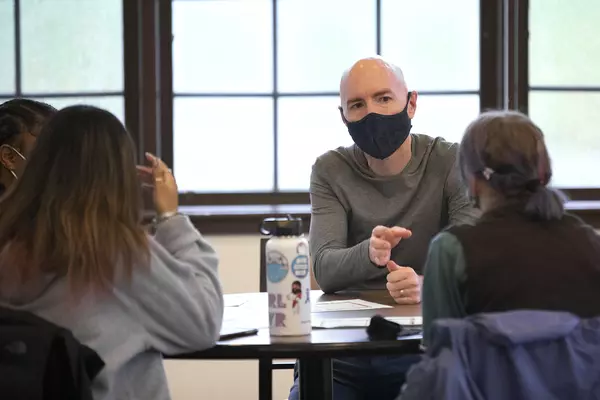
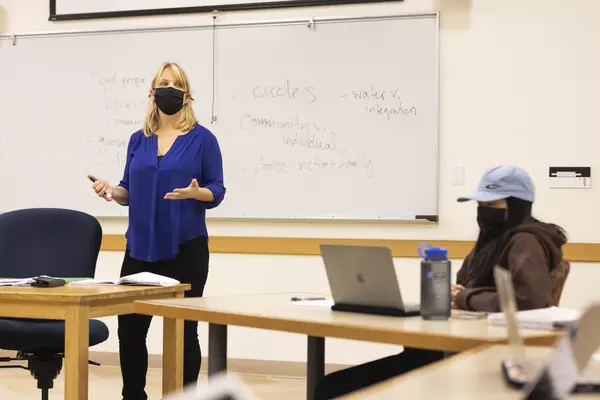
In her role as the director of the Science, Technology, and Society Program, Associate Professor Amy Fisher spends a lot of time thinking about what the history of scientific discovery can teach us about how to meet today’s problems with innovative solutions. Fisher teaches interdisciplinary courses on the development of science from antiquity to the present day, employing the lenses of history, philosophy, and sociology to analyze how science and culture intersect on a variety of issues, including climate change and gene editing.

Bringing Physics to Life

Fluid dropper on a microscope slide

Standing at the intersection of physical and life sciences, Rachel Pepper’s curiosity has led her to investigate how living systems function. Her research focuses on how tiny organisms interact with water and other fluids, with outsized impacts on everything from erosion and plant disease transmission to wastewater treatment and carbon sequestration. We sat down with the associate professor of physics and William D. and Flora McCormick chair in biophysics to learn more.

Create the Most Masters

Karin Steere

Clinical Associate Professor Karin Steere D.P.T.’09 wears a lot of hats in the School of Physical Therapy. When she isn’t teaching courses on cardiopulmonary physical therapy, systemic pathology, and pharmacology, she treats performing artists and is working on a Ph.D. dissertation on pain and heart rate variability. We recently spoke with Steere about how her time as a professional dancer in a touring company led her to pursue a career a physical therapist.

Haunted by the Past

Brett Rogers

Brett Rogers is fascinated by how antiquity continues to reverberate in the modern world. As professor of classics and ancient Mediterranean studies, he teaches courses in ancient languages, mythology, and gender, and his research focuses on analyzing Greek drama in the context of the time when it was performed. We caught up with Rogers to talk about science fiction, artificial intelligence, and how learning ancient Greek reorganizes your brain.

Creature Cognition

Erin Colbert-White

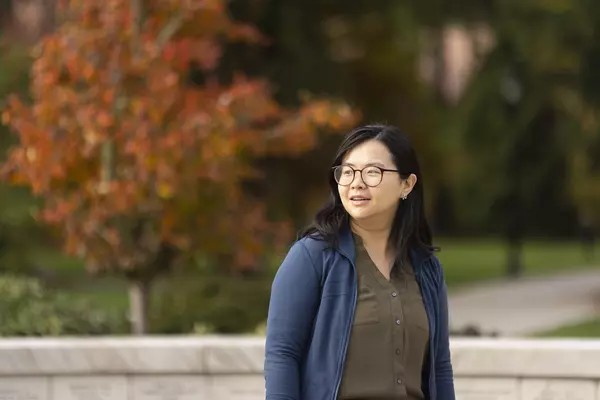
Associate Professor of Psychology Erin Colbert-White always wanted to be a veterinarian, but after realizing she was allergic to most animals, she decided to find a different field. A psychology course in high school introduced her to the field of comparative psychology and the idea of understanding the differences between the ways humans and nonhuman animals think. Now, she studies human-to-nonhuman social interactions and communication. We recently caught up with her to discuss her research and her role as director of the newly created Faculty Development Center.