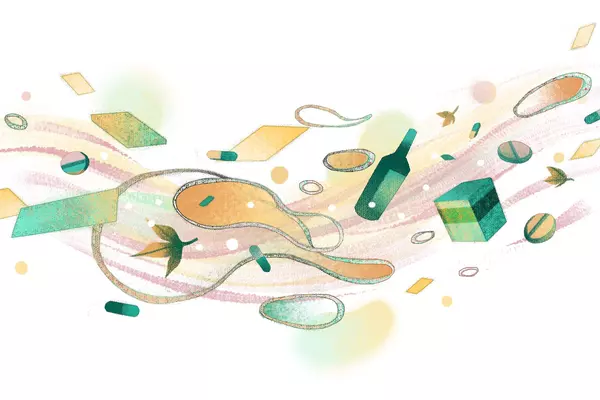
Chemist Dan Burgard is at the forefront of an exciting—and stinky—field: wastewater analysis

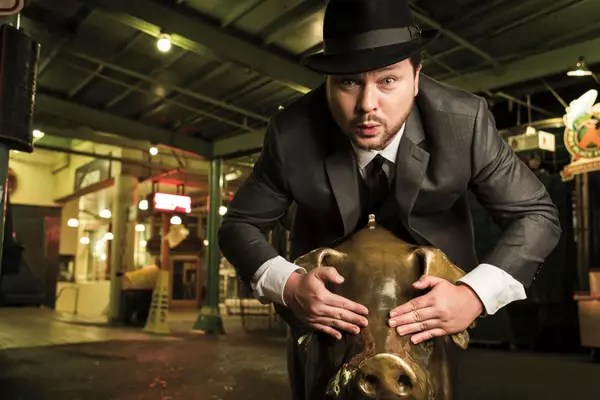
Robert McPherson ’91 has been singing since he was a very young boy. “I was a preacher’s kid. I grew up singing gospel,” he says.
Decades have passed since he performed his first solo, but McPherson’s passion for music is as strong as it ever was. Instead of singing traditional gospel tunes, he’s an accomplished operatic tenor. And even though the coronavirus has shuttered performance venues across the country, McPherson is still singing for his public, online.
In 2020, as it does every 10 years, the U.S. Census Bureau will attempt to make an official, complete count of the population. Andrew Gomez, assistant professor of history, uses data from the census in his research (on early Cuban communities in the U.S.) and his teaching (on the history of the census, as well as how immigration has shaped U.S. cities over time). Here, he shares seven things you might not know about the census.
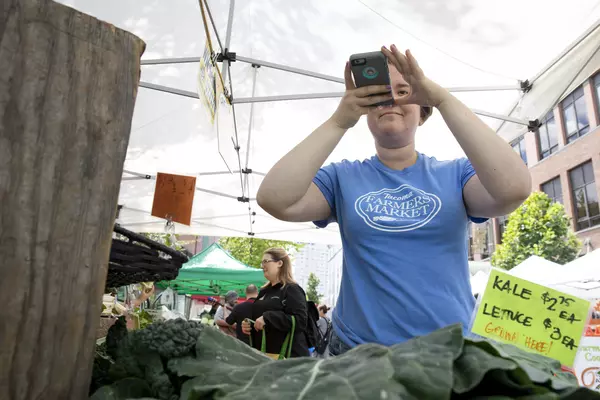
It was the summer of 2005 and the 6-year-old’s first day at her grandmother’s booth at the Lacey Farmers Market. An assortment of lavender products—from lotion and perfume to sachets and concentrated oils—was spread out in front of her, and the mild, pleasant scent seeped into her clothing. She loved it.