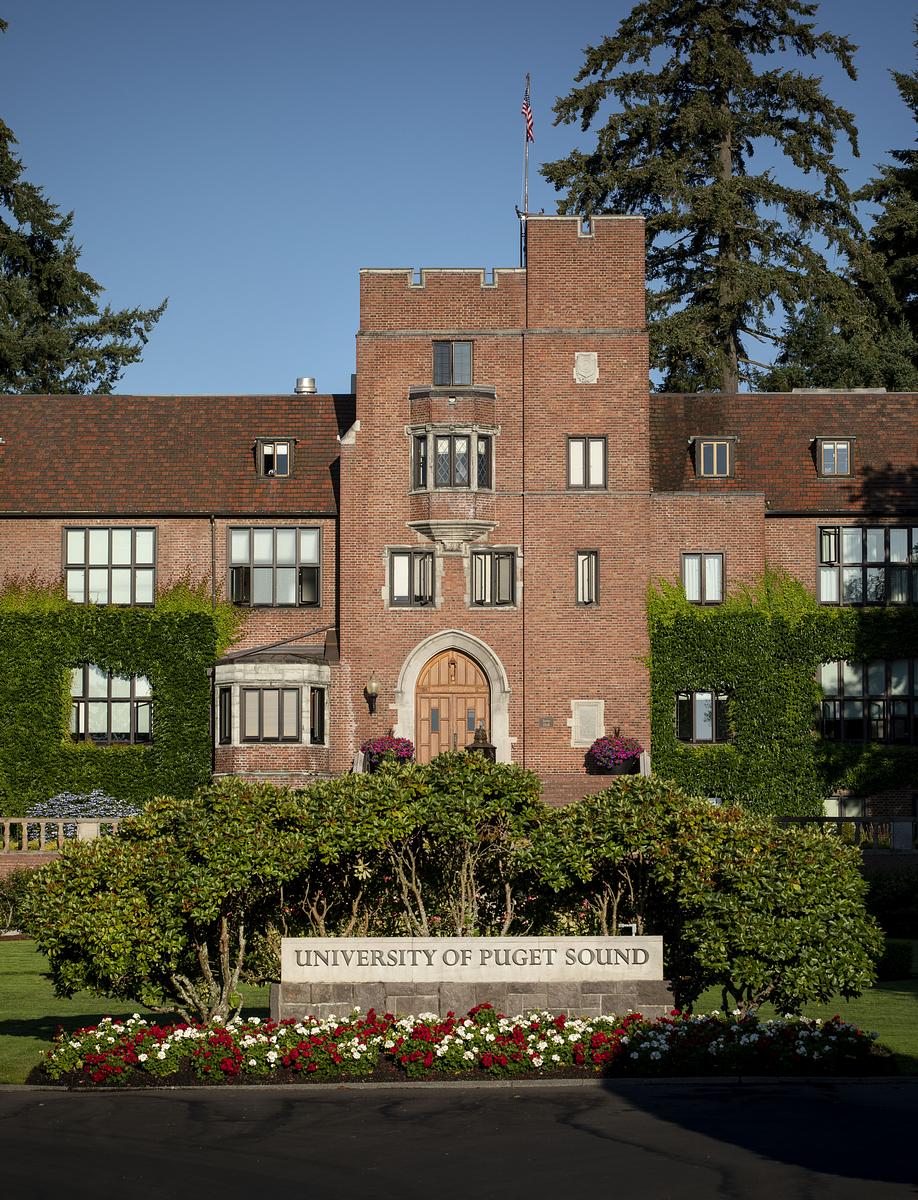
A new report from the University of Puget Sound is drawing national attention for its findings on how colleges can better support incarcerated students pursuing higher education.
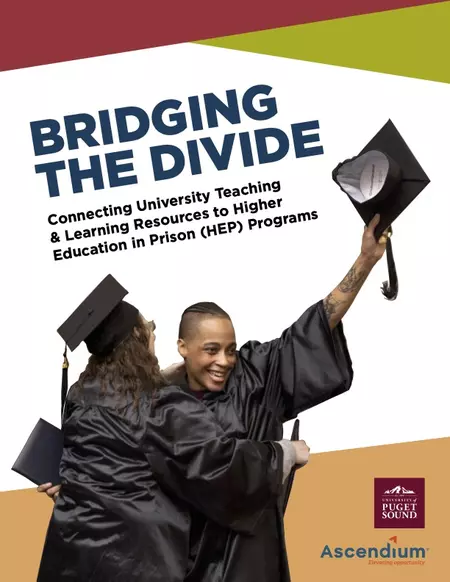
The report, Bridging the Divide: Teaching and Learning Across Higher Education in Prison Programs, led by Professor Tanya Erzen, identifies systemic barriers that prevent incarcerated students from receiving the same academic and student support services available to on-campus students. Published in August, the report has already been featured by Inside Higher Ed for its practical recommendations and timely insights.
“Education in a prison setting isn't just about transferring knowledge — it's a transformative act that can redefine a person's future,” Erzen said. “By fully investing in these students, we are not only changing individual lives but also strengthening our communities and our democracy.”
The research team included Carrah Goble ’24, who was among the first group to graduate with a Bachelor of Arts at the Washington Corrections Center for Women; Lauren Moseman ’23, who has a background in archival research; and L. Elizabeth Shatswell ’24, the first student to transfer from the Freedom Education Project Puget Sound (FEPPS) prison program to finish her degree on campus. Shatswell was the correctional education manager for JSTOR Labs.
The team conducted interviews with faculty, alumni, and staff from teaching and learning centers across the country. Their work focused on identifying innovative practices and gaps in support for incarcerated students.
“Our goal was to highlight the great work happening in the field while identifying where programs are reinventing the wheel,” Erzen said. “If universities are accepting tuition dollars from students in prison, they have a responsibility to ensure access to advising, disability services, and other supports.”
The research was funded by a $598,500 grant from Ascendium Education Group, which supports the university’s Technical Assistance for Teaching and Learning Initiative. This 18-month project aims to enhance education in prison classrooms by designing resources and training programs to improve teaching and learning in carceral settings.
The research comes at a pivotal time. In 2023, Congress reinstated Pell Grant eligibility for students in prison — the first time since 1994 — expanding access to higher education nationwide. The report calls for stronger collaboration between higher education in prison programs and campus teaching and learning centers, as well as the development of shared resources, faculty training modules, and peer-led tutoring models.
“The question is no longer if we should provide higher education in prison, but how we can do it with integrity and academic rigor,” Erzen said.
Next, Erzen and the research team plan to partner with JSTOR Labs to design an online learning platform for instructors and students in higher education in prison programs. They will also present at upcoming national conferences hosted by the POD Network and the Center for the Integration of Research, Teaching and Learning (CIRTL), which will bring together teaching and learning professionals and prison education practitioners for the first time.
“Our report provides a roadmap for universities to bridge the gap between their campus and carceral classrooms, ensuring the education delivered is truly comparable," Erzen said. “By connecting existing networks and sharing best practices, we can ensure that incarcerated students have access to the same quality of education and support that every college student deserves.”
Read the full report at pugetsound.edu/bridging-divide.
GWA Access Pillar
Stories related to campaign pillar about access to education