The University of Puget Sound will launch a new interdisciplinary emphasis in Artificial Intelligence and Human Values in Fall 2026, offering students a structured pathway to understand AI not just as a technology but as a force reshaping democracy, creativity, health care, law, and human relationships.
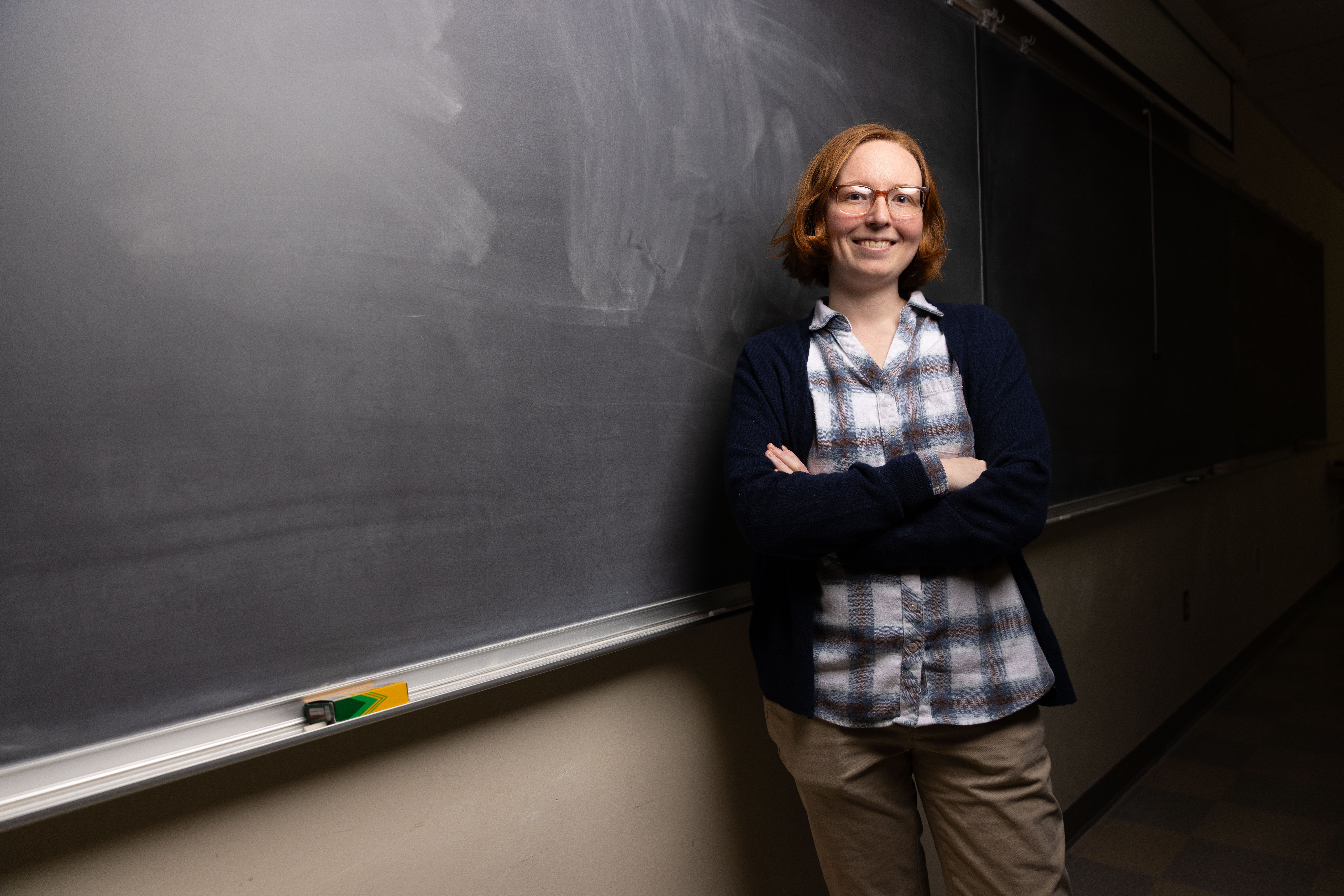
“This is not just a technical AI degree, and it’s not just an AI ethics program,” said Ariela Tubert, professor of philosophy and one of the faculty leads for the emphasis. “We made it broader: human values. Thinking about democracy, creativity, how AI will change social interactions, the workplace, research, and how we adjust our worldview in light of AI development and deployment.”
The five-course program incorporates classes from various disciplines, including art, computer science, philosophy, politics and government, neuroscience, and bioethics. Students must complete one computing course, one course in ethical theory, and three electives focused on AI. This program is designed as an optional addition to any major, enabling students from the humanities, social sciences, and natural sciences to integrate AI studies into their current academic pathways.
"In a world overwhelmed by artificial intelligence, the value of a liberal arts education has never been clearer or more essential," said Provost Drew Kerkhoff. "We need individuals who possess what I refer to as the other AI: Actual Intelligence, which is rooted in reason, empathy, critical thinking, and human relationships. Our goal is to help students cultivate these vital skills, and the new AI and Human Values program is a significant step toward achieving that mission."
While similar programs exist at large research universities, Puget Sound’s emphasis is one of the first at a liberal arts college and in the Pacific Northwest.
“We couldn’t find a similar program in the Pacific Northwest at the undergraduate level,” Tubert said. “Ours is distinctive. It harnesses the liberal arts, bringing together humanities, social sciences, and natural sciences to consider how AI is changing the world.”
Faculty highlight the growing interest in artificial intelligence on campus as evidenced by packed AI-focused events, strong enrollment in existing AI-related courses, and an increasing demand from employers for AI literacy. The proposal for this emphasis emerged from three years of collaboration among faculty, which included the Dolliver Seminar on AI and the Humanities, a number of public events and, most recently, the 2026 Puget Sound Symposium on AI and Privacy.
Jordan Steinhart ’26 knows what it’s like to have his academic path reshaped by a single class. A double-major in politics and government and philosophy, he enrolled in Ethics, Data and AI in his first year — and discovered that philosophy wasn’t just abstract theory. It could be quite practical. When he learned about the new AI and Human Values emphasis introduced by Tubert, he says he immediately wished it had been available to him earlier.
“My assumptions of philosophy before were that you just sit there and think really hard about Plato and Aristotle and none of it really matters,” Steinhart said. “But in terms of artificial intelligence, it’s a breakthrough point where questions of ethics are actually incredibly important. How do you program something to be ethical? To answer that, you have to have a definition of what ‘ethical’ is — and that does require understanding philosophy.”
Steinhart graduates this spring without the chance to formally earn the emphasis, but his experience shows exactly what the program aims to build. It wants to equip students who can move across disciplines, connect technical questions to human ones, and face an AI-driven future with confidence.
“We’re entering a period of time where artificial intelligence is not going anywhere,” he said. “Just about every field will interact with AI. Having the skills and tools to think about AI critically, know the background science so you’re not factually incorrect, and have ethical and legal frameworks — that’s what a liberal arts education gives you. Students positioned right now in college may be the ones who are equipped to actually answer these questions.”
According to the program’s proposal, employers in technology, government, health care, and nonprofit sectors increasingly seek graduates who combine technical literacy with ethical reasoning. Positions in AI ethics, responsible AI, trust and safety, technology policy, and algorithmic accountability are growing across industries.
“The future workforce requires people who are comfortable working with AI, understand its limitations, and can think about broader issues,” Tubert said. “More and more workplaces want to use AI responsibly.”
The program will be overseen by an interdisciplinary steering committee, with a rotating program director advising students on course selection, internships, research projects, and career pathways. The emphasis will be available to current and incoming students starting in fall 2026.
AI & Human Values
Stories to be featured on the AI & Human Values program page
COMMUNITY
Stories to be featured on the Community audience page
FUTURE UG STUDENTS
Stories to be featured on the Future Undergraduate Students audience page
CURRENT UG STUDENTS
Stories to be featured on the Current Undergraduate Students audience page
PARENTS & FAMILIES
Stories to be featured on the Parents & Families audience page