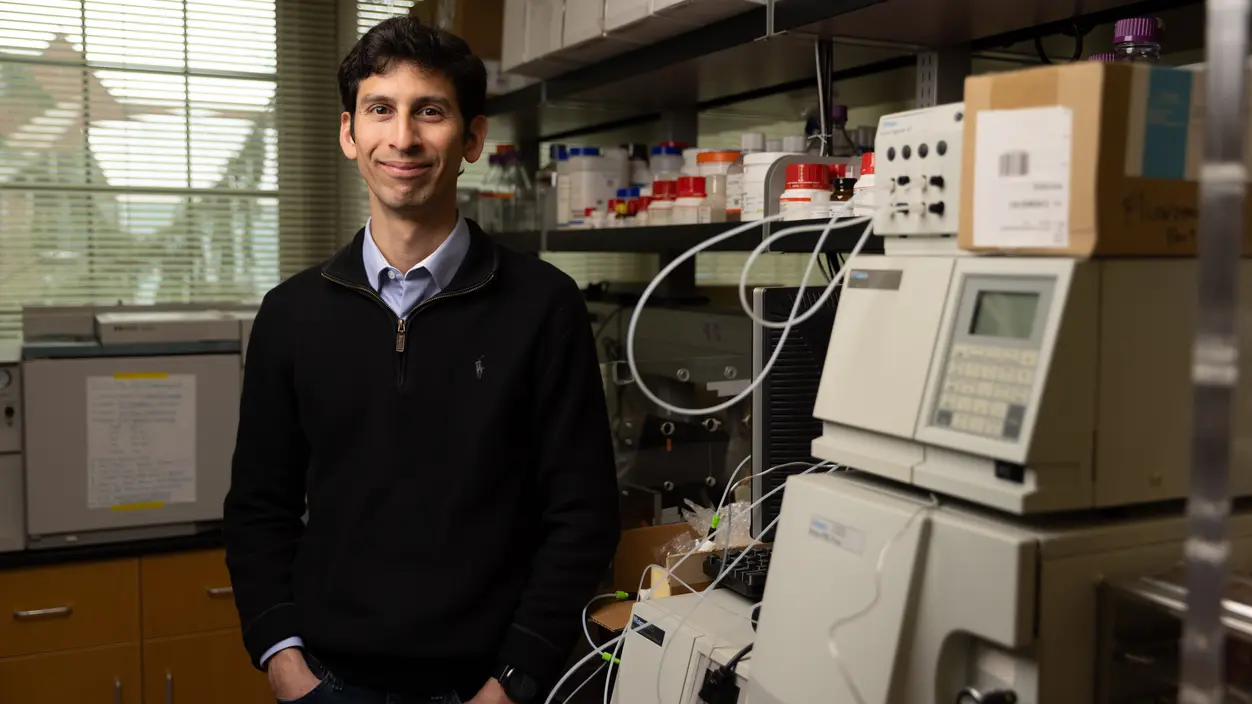
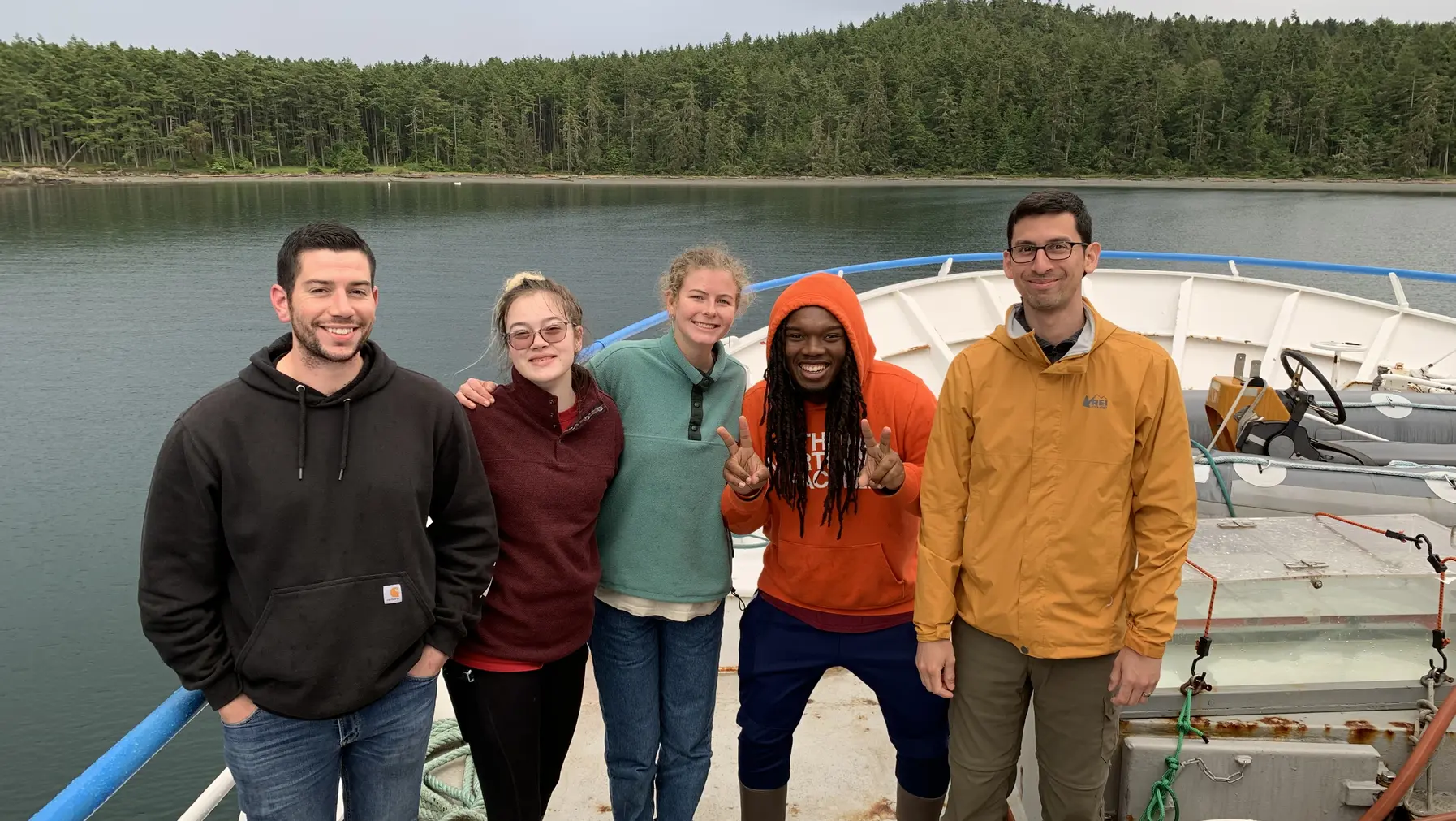
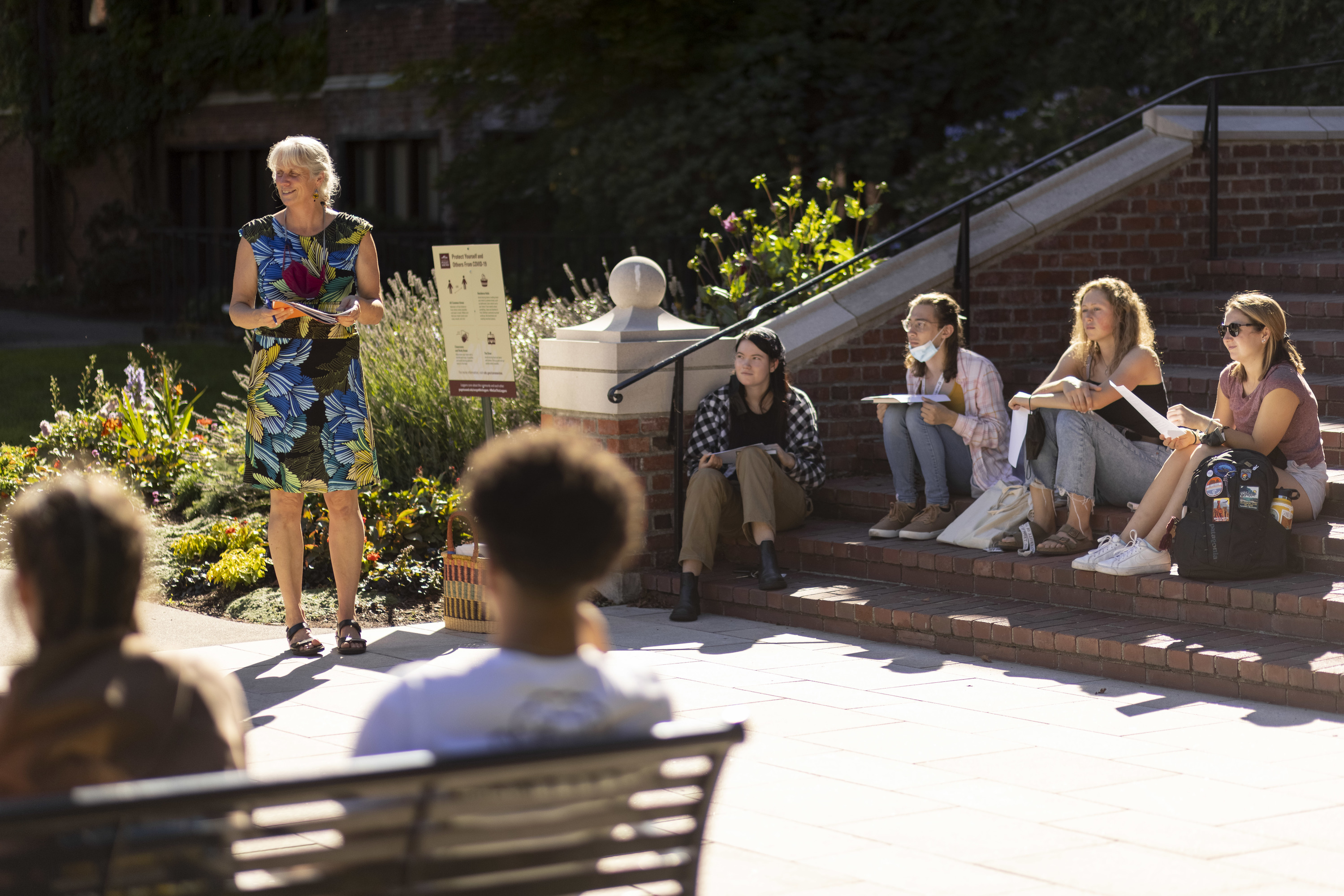
Associate Professor of Biology Oscar Sosa and five undergraduates contributed to a paper recently published in Nature Microbiology
When most people look out at the ocean, they see a vast, nearly empty expanse of water. Associate Professor of Biology Oscar Sosa sees something more dynamic and mysterious. To him, the ocean is “a soup of microbes and organic molecules doing all kinds of things together and independently.” This year, Sosa and five former University of Puget Sound students co-authored a paper in Nature Microbiology alongside collaborators at the University of Washington and Whitman College outlining a newly discovered metabolic pathway used by marine organisms.
The research focused on a compound called homarine. Previous studies had found that homarine is bioactive and suggested it could be used as a chemical signal, perhaps as a means of chemical defense between highly competitive microbes. Later research by the University of Washington found that homarine was abundant in ocean waters, suggesting that it was being used as an energy source.
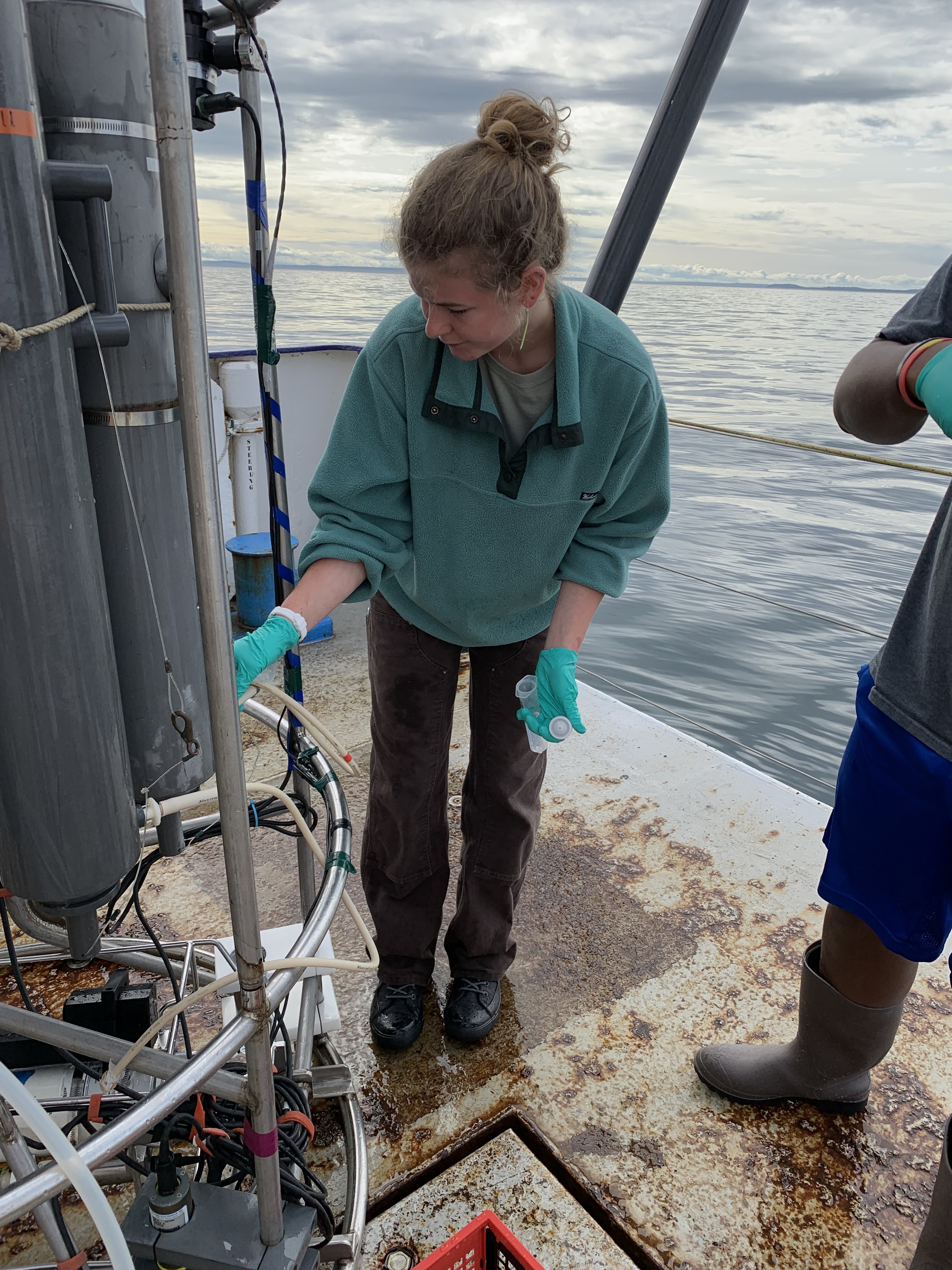
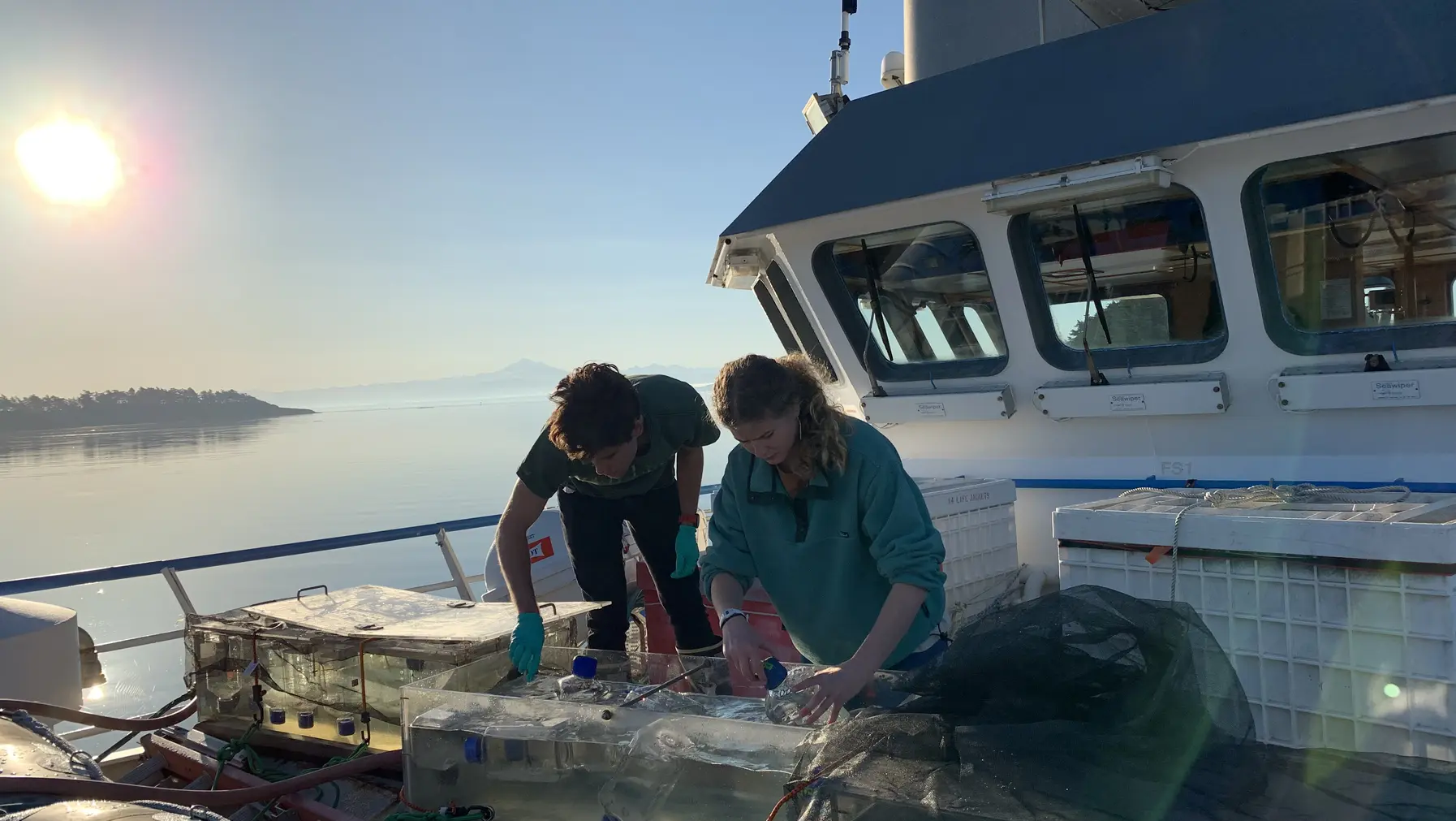
“When we see something that's abundant, we want to know who makes it, what uses it as food, and what it does in the environment,” Sosa said. “What we did in this paper with the undergrads was find out what kinds of microbes break down the compound. We sequenced the genomes of microbes that use it, and we found a novel set of genes that the microbes used to break it down — and that was just the start.”
CURRENT UG STUDENTS
Stories to be featured on the Current Undergraduate Students audience page
FUTURE UG STUDENTS
Stories to be featured on the Future Undergraduate Students audience page
HOME Featured
Stories to be featured on the home page.