The Artist's Way

Painting: Landscape With Cheesecake, by William Turner ’65

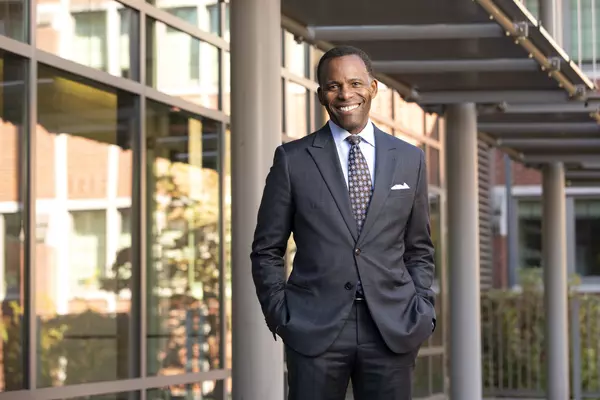
William Turner ’65 first fell in love with art as a child growing up in Lakewood, Wash.

His family stopped at a restaurant on the way home from a trip to Seattle, and he was fascinated by the colorful paintings that hung on the walls. Later, he became interested in drawing.

The Joy of Dance

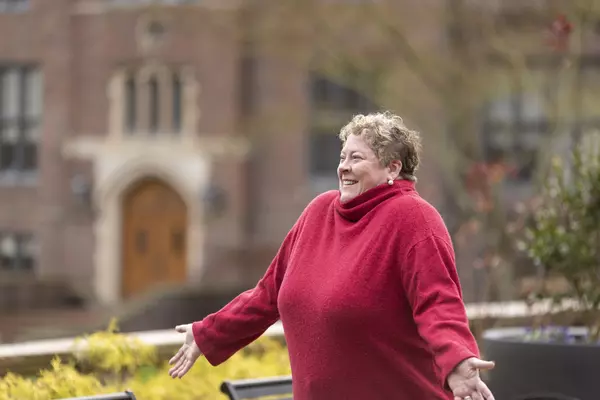
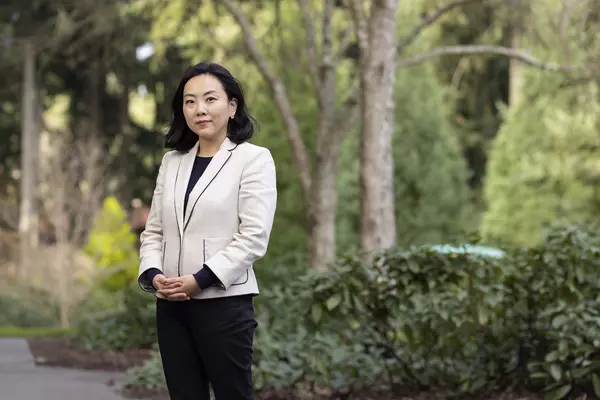
Ameera Nimjee

On a shelf in Ameera Nimjee’s study sits a small, garlanded statue of Nataraj, the Hindu god of dance. It’s an appropriate icon for an Indian classical dancer to own: Nimjee, assistant professor in the School of Music and the university’s first ethnomusicologist, is trained in Kathak, an Indian classical dance form known for its crisp, rhythmic footwork and evocative storytelling through hand movements and facial gestures. She is every inch the dancer: graceful, poised, expressive with her hands and eyes—even though she didn’t begin dancing until she was 18.

Adaptation

Stacey Weiss

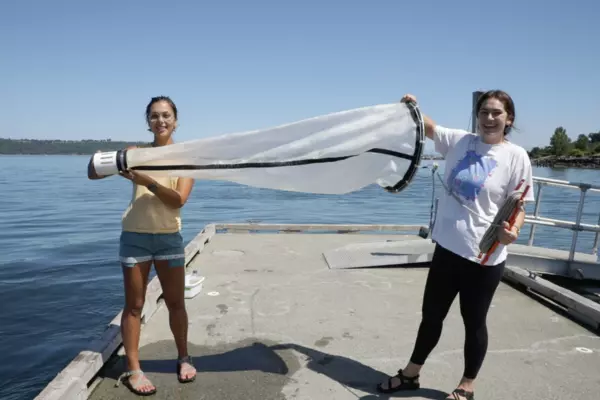
Stacey Weiss didn’t have to look very far to find new lizards. When COVID-19 kept Weiss from returning to her study site in southeast Arizona last year, the William L. McCormick professor of natural sciences found locations not far from Tacoma where she could continue her research on the microbiomes of lizards—specifically, the protective microbes that female lizards pass on during egg-laying. We asked Weiss about adapting her research, the joys of collaborating with undergrads, and why swabs and miniature lassos are essential to her work. 

Where Science Meets Art

An artist book from the exhibition Science Stories with a dark cover and what appear to be curved horns coming out the sides of the book.

There’s an intriguing collection of books on display now at Collins Memorial Library. It’s called Science Stories, and the exhibition is appropriately named—they are, after all, stories about science. But these aren’t typical books; instead, artists from the Pacific Northwest have taken scientific research by faculty members at Puget Sound and other nearby schools, and interpreted that work into an array of imaginative “artist books.”

Xenophobia in the time of COVID-19

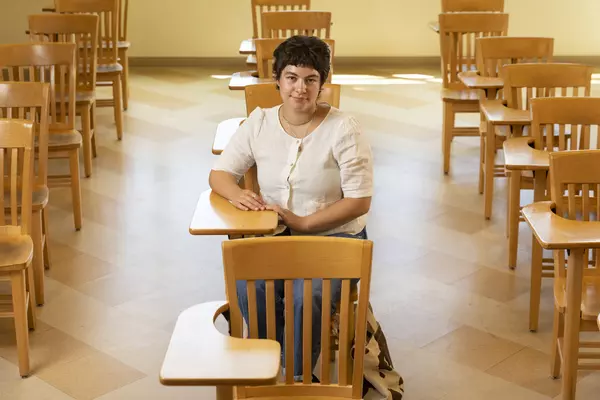
Allie Highsmith ’22

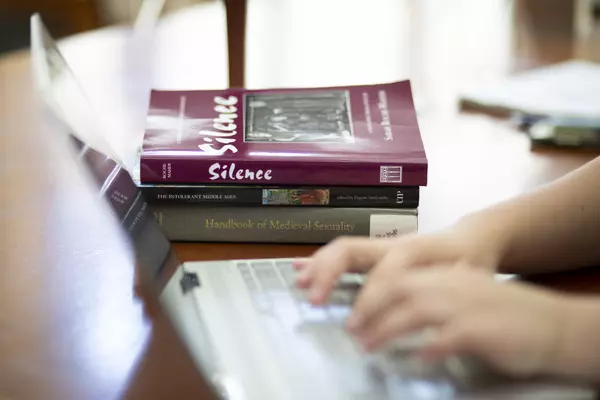
Soon after the first cases of COVID-19 were reported in the U.S., Allie Highsmith ’22 started hearing people call it the “the China virus,” the “kung flu,” and other xenophobic names. As a double major in Chinese language and culture and sociology and anthropology, Highsmith wanted to study how people cope with anti-Asian sentiment during the pandemic. Soon after she submitted her summer research proposal, a gunman killed six Asian women in Atlanta, bringing the subject of hate crimes directed at East Asian Americans into the national spotlight.

What Bees Can Tell Us About Parkinson's Disease

A bee is held still in a tube-like apparatus while a researcher holds a needle-like tool near its head

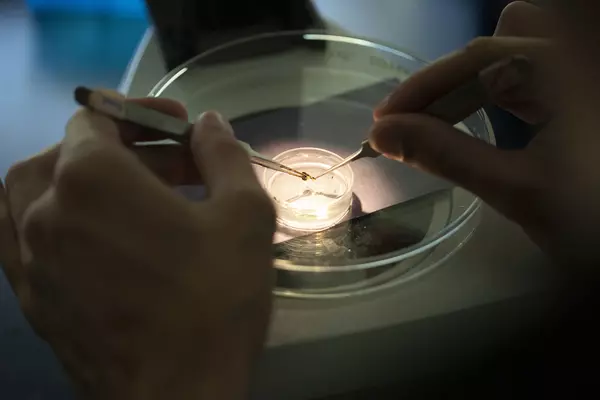
On the rooftop of Thompson Hall, Adam Schmidt ’23 emerges in a white jumpsuit, a wide-brimmed hat with a mesh face veil, and thick protective gloves. Carefully, he approaches the hive, a 5-foot-tall stack of wooden boxes located behind a greenhouse near the roof’s edge. Schmidt, a molecular and cellular biology major, isn’t interested in these bees for their honey—he wants to study their brains in an attempt to understand the progression of neurodegenerative diseases in humans.

The Towers' Long Shadow

The World Trade Center Twin Towers. Photo by Steve Harvey via Unsplash

How I came to be in Tower One of the World Trade Center on Sept. 11, 2001, is a story that starts at Puget Sound. I joined a fraternity house—Beta house—and in my sophomore year, my fraternity brothers told me about a scholarship opportunity through Kemper Insurance. I ended up doing a couple summers with Kemper, and then after graduation they offered me a trainee position in Chicago. I took the job, and stayed with that same department for 25 years.