Fifty Years of the Watson Fellowship

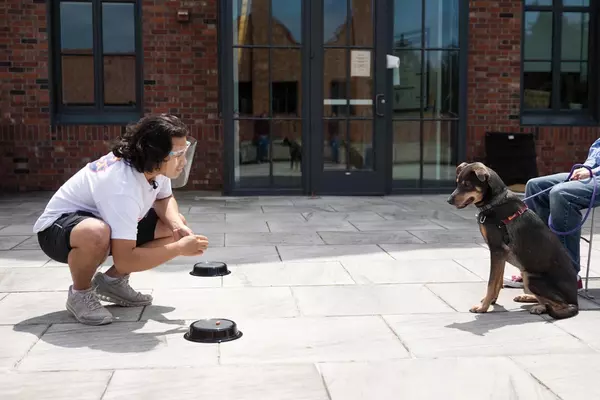
They work with a faculty member in the spring to craft a proposal and then, if the proposal is approved, they spend 10 weeks working full time on their projects, supported by research funding and a stipend to cover living expenses. Here, we spotlight seven of the students who took on research projects last summer.
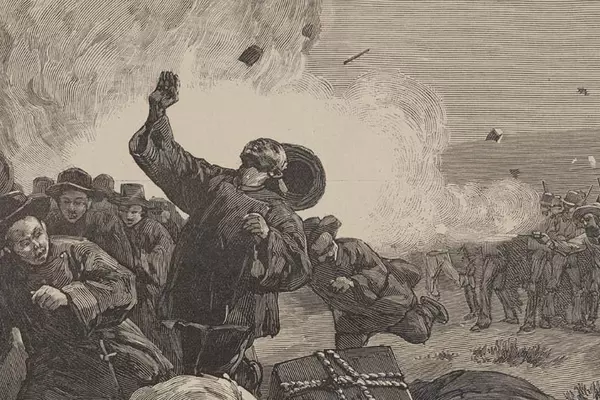
The business thrived selling medicines, teas, rice, and other goods, and the shopkeepers had a good relationship with Tacoma’s city leaders.

When Rose Marie Leslie '12 first started using TikTok, it was mostly because she thought the videos were hilarious. Back in 2019, as a family medicine resident at University of Minnesota, she started posting some of her own: funny videos, set to music, about deciding what to wear to the hospital (as she flips through a pile of identical blue scrubs), poking fun at the Minnesota accent (don’t worry; she’s from there), or walking into the hospital in desperate search of coffee to prepare for another long shift.
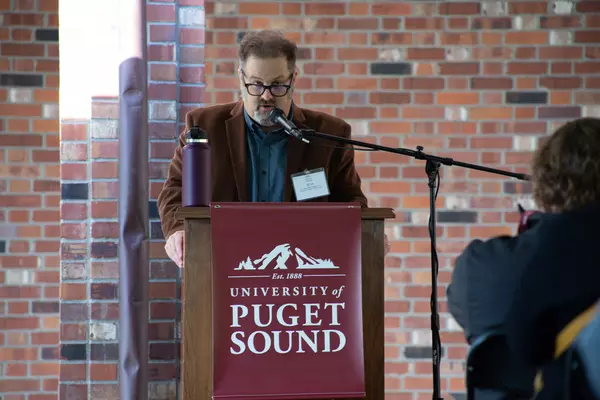
I am a scholar of international security. For most of my life, I’ve been focused on threats like nuclear annihilation and “Great Power war”—conflict with China or Russia. But today, for the first time in my life, the most significant threat to our country comes from within. Since 9/11, there have been 107 deaths in the U.S. from jihadi violence—and 114 deaths from violence by right-wing domestic extremists, many of them white supremacists. But the numbers don’t represent the true nature of the threat.