The University of Puget Sound’s Master of Public Health program has earned accreditation from the Council on Education for Public Health, a distinction that applies retroactively to the program’s first cohort.
The accreditation, granted this year, dates to Spring 2023, when the program filed its initial application. That means all students who have graduated since the program’s inception now hold degrees from a CEPH-accredited institution.
For graduates, the designation carries tangible career benefits. Many federal public health agencies, including the Centers for Disease Control and Prevention and the National Institutes of Health, require job applicants to hold degrees from accredited programs. Accreditation is also often required to sit for the Certified in Public Health exam, a professional credential that can enhance employment opportunities.
Julia Krieger, ’23, a graduate of the program’s first cohort, said the accreditation has already made a difference in her career.
“This recent accreditation is really exciting because it has expanded my job application opportunities and given me more confidence when I advocate for myself in positions,” Krieger said.
The process of achieving the status took faculty and staff nearly three years to complete and included, among other things, mapping multiple examples of how specific lessons, assignments, and class activities addressed the 22 CEPH competencies and five program competencies, as well as assessing post-graduation outcomes, describing faculty teaching effectiveness, scholarship, and service, and elucidating advising, community involvement, and student involvement in curriculum development, scholarship, and service.
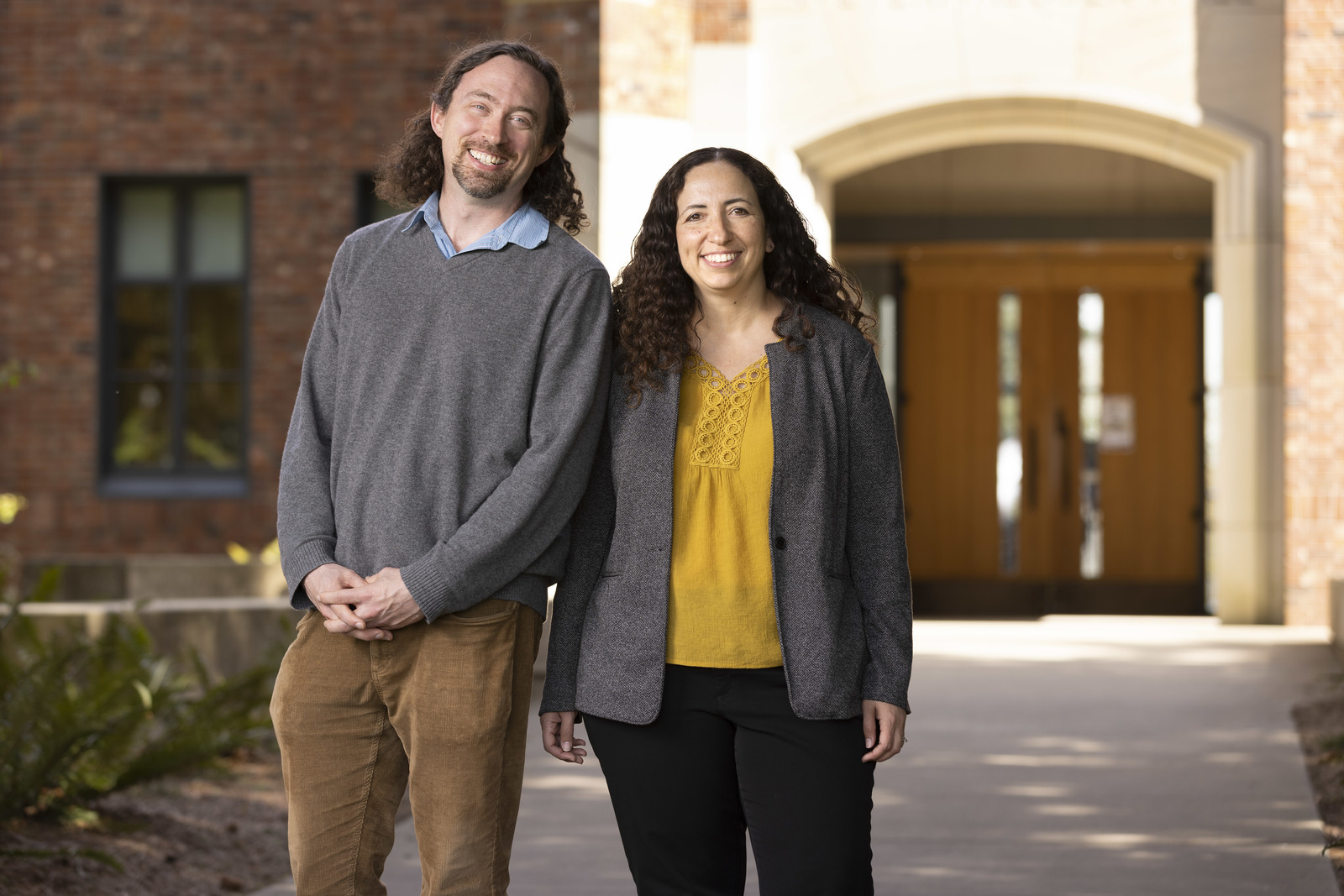
Sara Fischer, assistant professor of public health, said the process forced faculty to examine the program with in-depth scrutiny, leading to lasting improvements. Alexandria Drake, assistant professor of public health, said the accreditation work gave her confidence in the program’s quality.
“It really forced us to have conversations about each individual class and think about what we are doing well and how we could improve the curriculum and student learning outcomes,” Drake said. “I feel so good about all of the courses that we’re offering. That’s what you want as a faculty member: to feel really confident in the job training we are providing to the future of public health.”

As part of the accreditation process, faculty interviewed employers of program graduates. The feedback, Fischer said, was overwhelmingly positive.
“To get feedback from employers that you taught students really well and they’re equipped to handle all the challenges and opportunities of the job market is really encouraging,” she said.
The program has also doubled down on a distinctive focus on health equity across its curriculum, a feature that faculty say sets it apart from many other MPH programs.
Jansen Dacquel ’24, a current Community Health Worker Program Lead at Pediatrics Northwest, said that integration of public health with the humanities is what makes Puget Sound’s MPH stand out.
“The program encourages students to think critically about the human side of health, including culture, ethics, storytelling, and community voices, not just data and policy. The faculty are also very invested in mentorship and helping students connect what they are learning in the classroom to real-world impact.”
Krieger, who came to Puget Sound after earning her undergraduate degree at a large public university, said the program’s smaller size and emphasis on the human side of public health were transformative.

“There’s a strong focus on communication, equity, and really understanding people’s lived experiences,” she said.
She also credits close faculty relationships with helping her launch her career.
“I also built really strong relationships with faculty and community partners that I was introduced to during the program, which has been incredibly valuable for applying to jobs,” she said. “Public health, especially right now, can be complex and sometimes uncertain, especially early in your career, so having that network to lean on has made a big difference as I’ve navigated my first few years out of the program.”
Now that accreditation is complete, faculty are turning their attention to growing initiatives that build upon and improve the existing successes of the program, including encouraging more undergraduates to join the Pathway to Public Health (P2PH) program. Recently refreshed, P2PH offers guaranteed admission to current Puget Sound undergraduates who meet certain criteria. The program provides students with community connections, research experience through the Health Equity Research Lab (HERL), and affiliate membership in the Public Health Student Association — bridging undergraduate studies to the MPH program. In return, students benefit from a clear path to graduate school, while the community gains well-prepared public health professionals. Drake said she is looking forward to focusing on those efforts.
“I’ll get to have more time to work on building community connections and new partnerships with organizations in the community and the MPH program. The most responsive public health practice comes from equitable collaboration,” she said.
Fischer said the program's small size helps faculty remain flexible and responsive to community needs, allowing them to adapt quickly as public health challenges evolve.
“We’re a small, tight-knit group of faculty and staff, and we are in constant conversation about how to continue improving the experience for our students,” Fischer said.
To learn more about the MPH program, visit pugetsound.edu/academics/master-public-health.
FUTURE GRAD STUDENTS
Stories to be featured on the Future Graduate Students audience page
CURRENT GRAD STUDENTS
Stories to be featured on the Current Graduate Students audience page