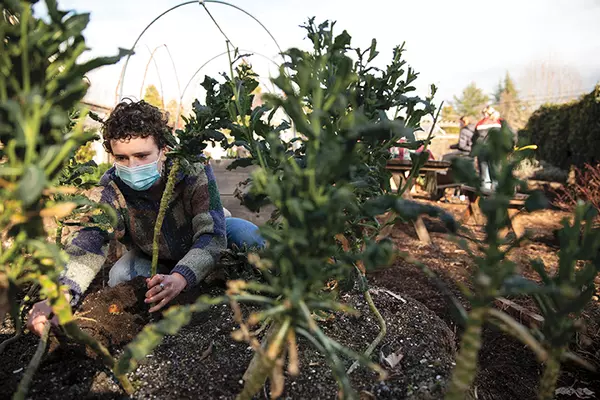
The pandemic provides multiple teaching moments for students looking at the nation’s food supply.

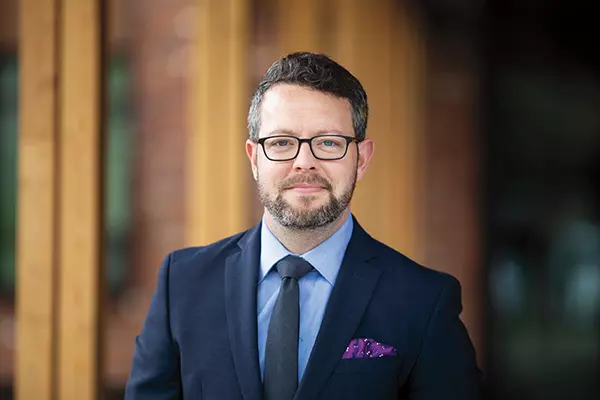
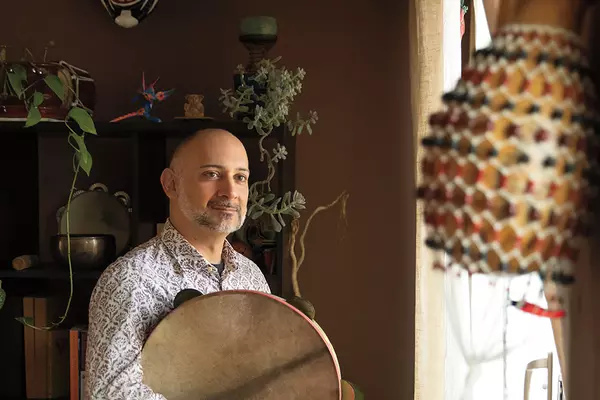
If there’s anyone whose career demonstrates the value of the liberal arts, it’s Tony Gómez ’93. Today, he’s associate director of education at Tacoma Arts Live, but his career also has included being a K-12 teacher, arts administrator, percussionist, and PBS education producer.
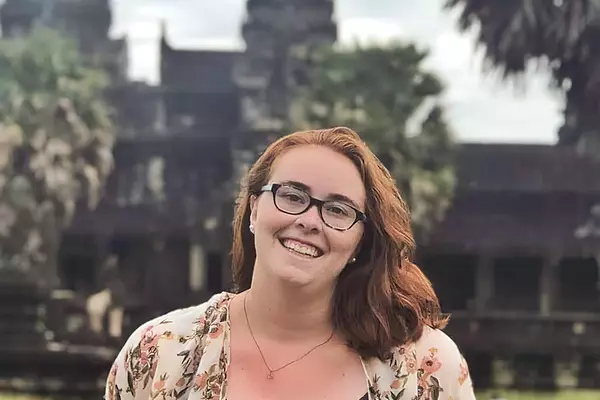
A summer volunteer experience before her first year in college got Anna Dunlap ’16 hooked on Thailand. Now she works as director of recruitment and development for Teach Thailand Corps, placing U.S. college graduates in underdeveloped provinces to teach English and other subjects to schoolkids.
Cain’s grandparents had instilled in her the importance of education, and she attended a reputable Iowa private school through eighth grade. But Cain says her stubborn independence and desire to be an “emancipated adult” by high school led her down a different path. She became a mother while still a teenager, and found a job tending bar at night so she could be with her child during the day. “Eventually, I was a bartender with three children and an expiring marriage,” she says. “I tried over and over again to return to school; it just wasn’t feasible.”