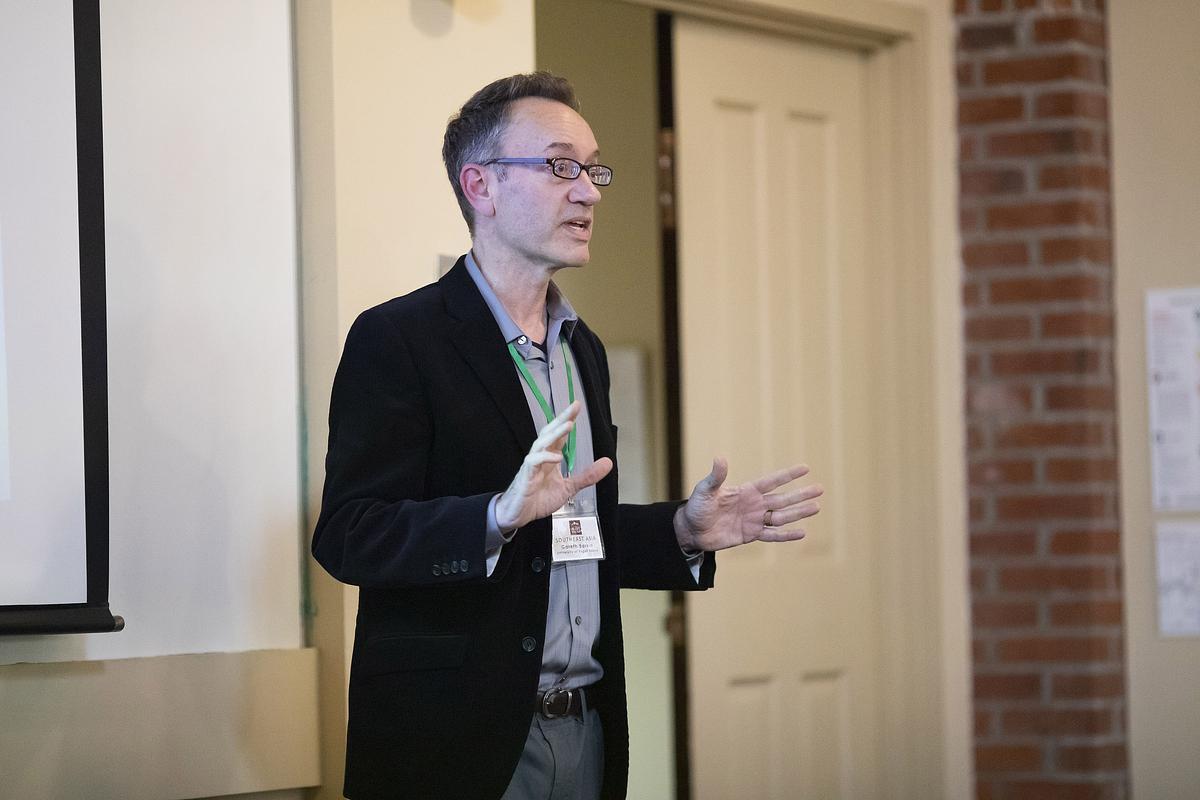
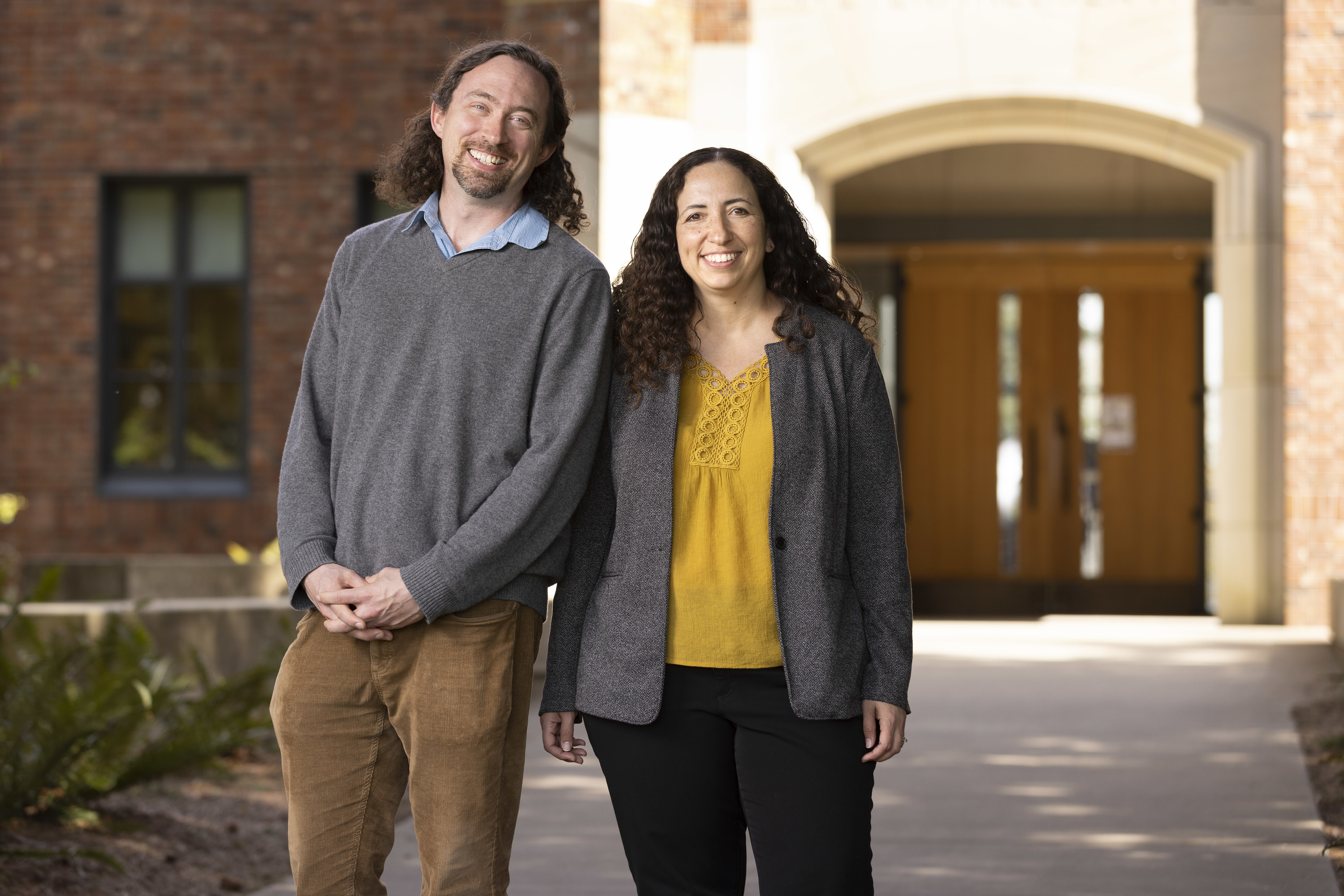
The University of Puget Sound recently held the Puget Sound Symposium on AI & Privacy, bringing together an interdisciplinary group of scholars, practitioners, and policymakers to address the ethical and legal challenges posed by the rapid evolution of artificial intelligence. The event successfully fostered critical dialogue across different sectors about how AI impacts personal data, influences governance models, and redefines the boundaries of mental privacy.

Over a hundred participants registered for this one-day event, which took place in mid-April. Organized by the university's AI & Human Values Initiative — a collective of faculty working on AI-related topics — the symposium showcased the unique role a liberal arts institution can play in promoting meaningful discussions on issues such as justice, creativity, democracy, and privacy within both the campus and the wider community.
“In our discussions, we imagined the role that Puget Sound could play in facilitating in-depth conversations on campus about topics related to AI and Human Values,” said Ariela Tubert, professor of philosophy who leads the AI & Human Values Initiative and helped plan the symposium. “Including the implications for values like justice, creativity, democracy, or our topic for the symposium, privacy.”
The symposium featured a keynote address by Nita Farahany, the Robinson O. Everett Distinguished Professor of Law & Philosophy at Duke University School of Law and founding director of the Duke Initiative for Science & Society. Appointed by President Barack Obama to the Presidential Commission for the Study of Bioethical Issues, Farahany warned of a future where brain-sensing technology and AI could enable employers to monitor workers' mental states or advertisers to exploit emotional responses. She called for proactive legal protections for “mental privacy” before neurotechnology becomes ubiquitous.
Another session, “Privacy by Design,” featured panelists Akshita Bhagia, research engineer at Ai2; Yuval Marton, AI consultant and independent researcher; and Kaiwen Sun, assistant professor at the Luddy School of Informatics, Computing, and Engineering at Indiana University Bloomington. This session highlighted emerging technical strategies for addressing privacy concerns at the design and development stages of AI systems, including data obfuscation, privacy-preserving data sharing, and embedding privacy directly into system architecture.
“The symposium was met with exactly the sort of enthusiasm we were hoping for and even more,” Tubert said. “The enthusiasm and caliber of speakers and attendees we were able to convene is an indication of the timeliness of the AI & Human Values Initiative and the hunger for exactly the kinds of conversations Puget Sound, as a liberal arts institution, is positioned to convene.”
The keynote speaker and “Privacy by Design” session were not recorded. Below are video recordings of sessions that were captured at the symposium.
AI & Human Values
Stories to be featured on the AI & Human Values program page
CURRENT UG STUDENTS
Stories to be featured on the Current Undergraduate Students audience page
FUTURE UG STUDENTS
Stories to be featured on the Future Undergraduate Students audience page
COMMUNITY
Stories to be featured on the Community audience page
PARENTS & FAMILIES
Stories to be featured on the Parents & Families audience page
CURRENT GRAD STUDENTS
Stories to be featured on the Current Graduate Students audience page
FUTURE GRAD STUDENTS
Stories to be featured on the Future Graduate Students audience page
FACULTY & STAFF
Stories to be featured on the Faculty & Staff audience page