Bree Beal ’97 and Lauren DiMaggio Jorgensen ’06 were quintessential theater kids. Jorgensen remembers belting out songs with her Fisher Price microphone, while Beal would dress her stuffed animals in costumes and have them perform short plays she created.
Now, these Loggers form the backbone of BEAT Children’s Theatre in Bend, Oregon.
“I didn’t know that my job was an actual job back then,” says Beal, BEAT’s executive director since 2014. “I just remember storytelling was something that I loved. How lucky that I get to do it now?”
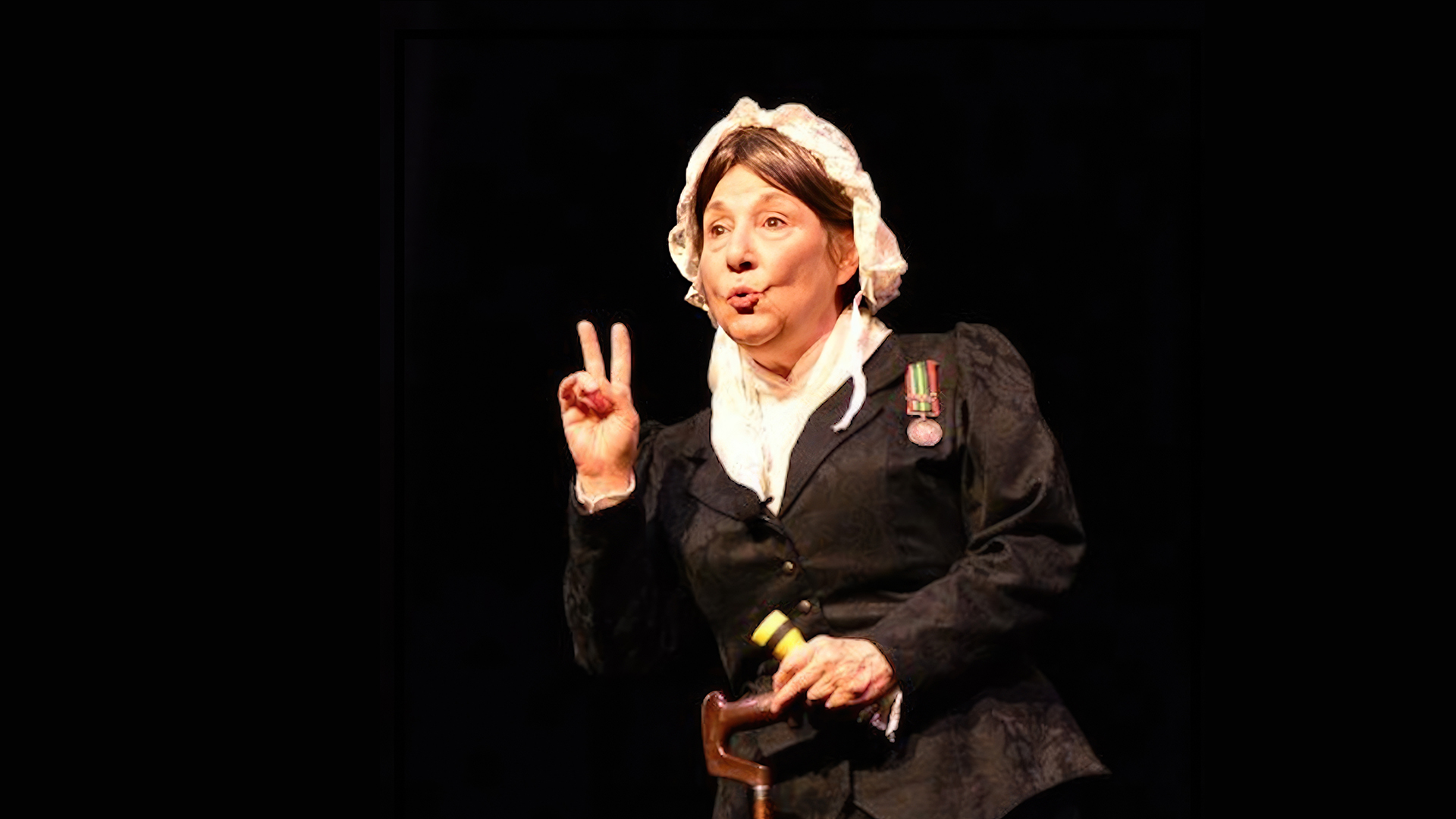
Celebrating its 20th season, BEAT is a nonprofit that uses theater as a tool to empower youth by fostering creativity, collaboration, and self-confidence. The company annually serves thousands of students — from tots to teens — through four mainstage shows (including February’s Shrek The Musical Jr.), summer camp and workshops, in-school programs, and community outreach.
“There’s something incredibly rewarding about learning to work with others, to take turns, to listen as well as speak,” Beal says. “BEAT is a safe environment that allows them to do something they've never done before, or do it bigger than they’ve ever done it, and to know they can’t possibly fail.”
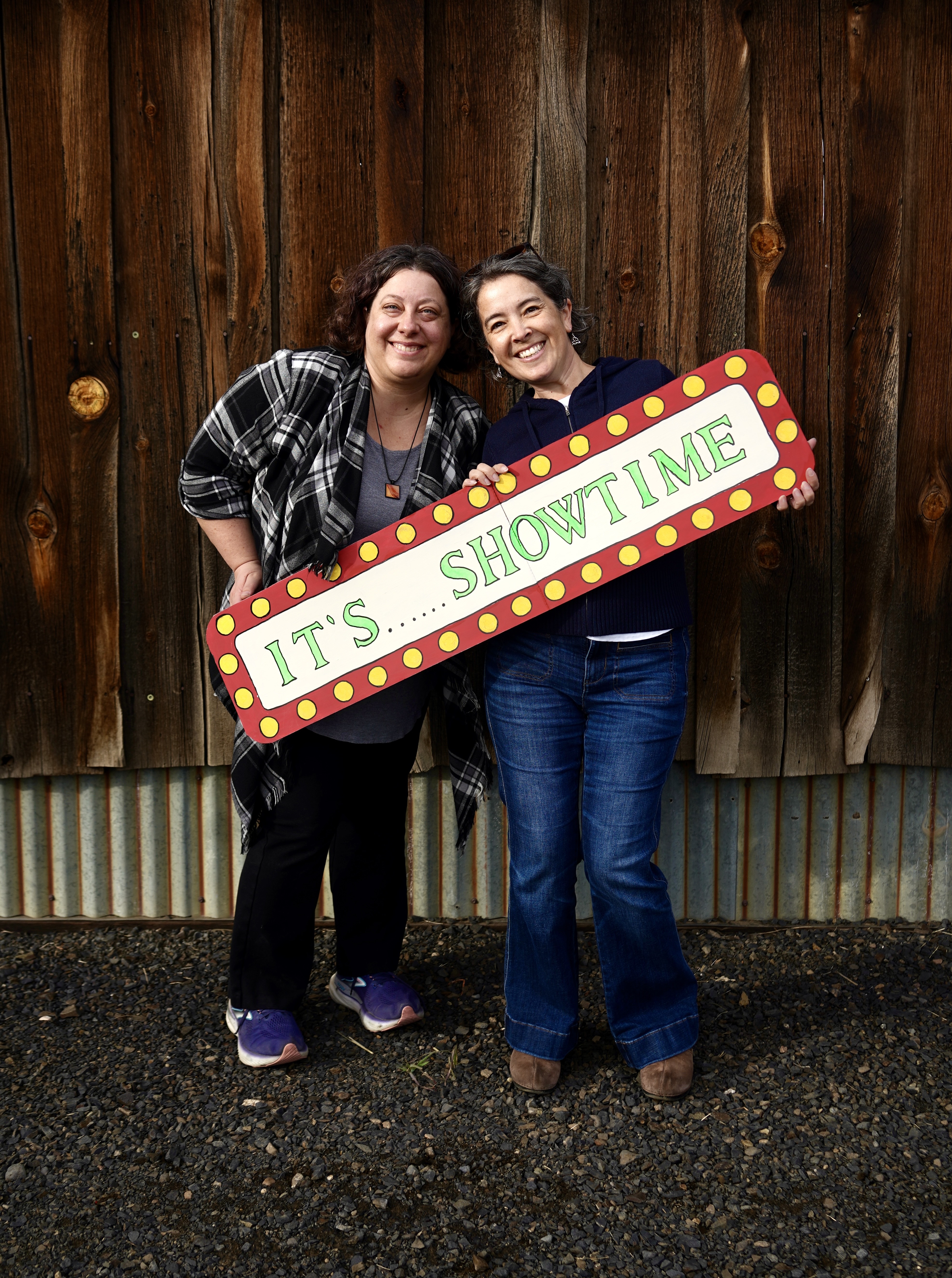
After graduating Puget Sound with a degree in Latin American History, Beal spent a decade in escrow and served on nonprofit boards. In 2014, she was seeking a new path just as BEAT was working on a strategic plan that would allow its founding directors to retire.
“It didn’t look like a fit on paper, but we decided to take a chance on each other,” she said about her meetings with the board.
Jorgensen’s path was also unusual. The Natural Sciences and Biology major worked in the mortgage industry, built her own financial business, and then dabbled in TV, healthcare and logistics. Her younger son had participated in BEAT, and when she saw an email in 2024 saying the company was hiring an administrator, she immediately applied.
“I didn’t think I would interact with the kids much when I started, but I get to know them when they come in for rehearsals, and I’m the back-up adult when they are maybe struggling,” Jorgensen says.
BEAT allows kids to engage with others outside their age group, and to learn the value of teamwork, empathy, and gratitude. Popular activities include “disaster stories,” when the group recounts a time when something went wrong onstage and how the problem was solved, and the sessions at the end of many rehearsals when students thank or praise one another.
“It’s boiled into our culture that we try to see the things that others are doing for us,” Jorgensen says. Adds Beal, “I can’t think of anything more powerful.”