Alumni, Arches

Grace Youn ’13 on making music, building a brand, and defining your path

“You know, there is actually an art form to being curious. There is an art form to not knowing yet. And I have to remind myself [of that] every day.”

That’s what Grace Youn ’13 concluded near the end of a visit to campus in February, after she had given two master classes to students and community members as well as the Spring 2026 Susan Resneck Pierce Lecture in Public Affairs and the Arts titled “The Art of Not Knowing Yet.”

Youn, who grew up in University Place, Wash., and earned her Bachelor of Music degree in performance, is a Los Angeles–based multi-instrumentalist, arranger, and producer. She started sharing her own arrangements on YouTube in 2011 and recently traveled as a violinist, guitarist, arranger, and vocalist with the Irish singer and musician Hozier during his Unreal Unearth Tour. Youn also serves on the School of Music Advisory Board, contributing to the conversation of what a career as a musician can look like.

During the Pierce Lecture, Youn explored what she called “the curiosity loop” — endlessly pursuing side quests and defining your own path, instead of the outcomes that society deems necessary to achieve success. The next day, she sat down with our Arches team to expand on that conversation, discuss her life as a musician, and more. Here’s what she had to say:

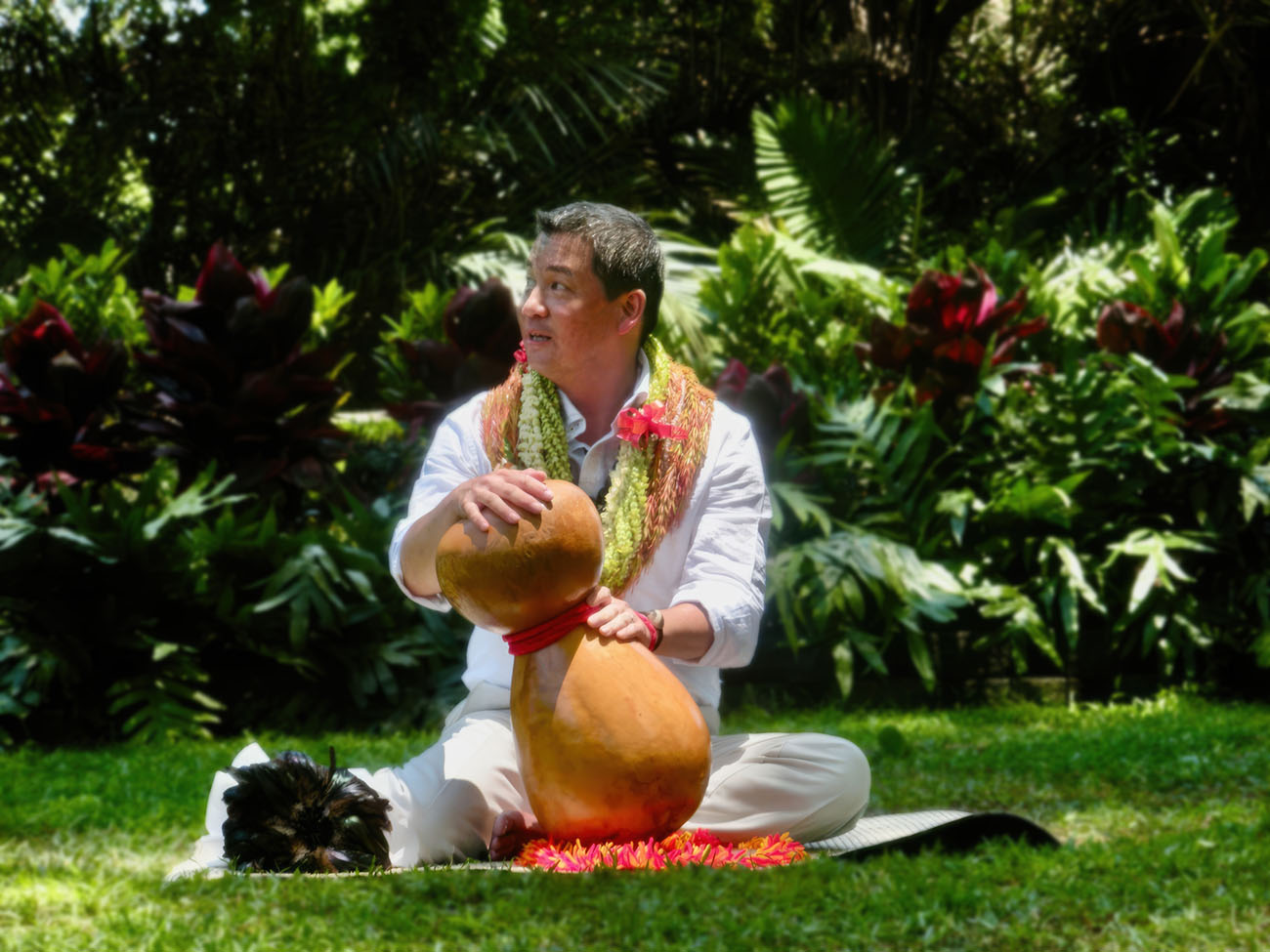
Grace Youn ’13

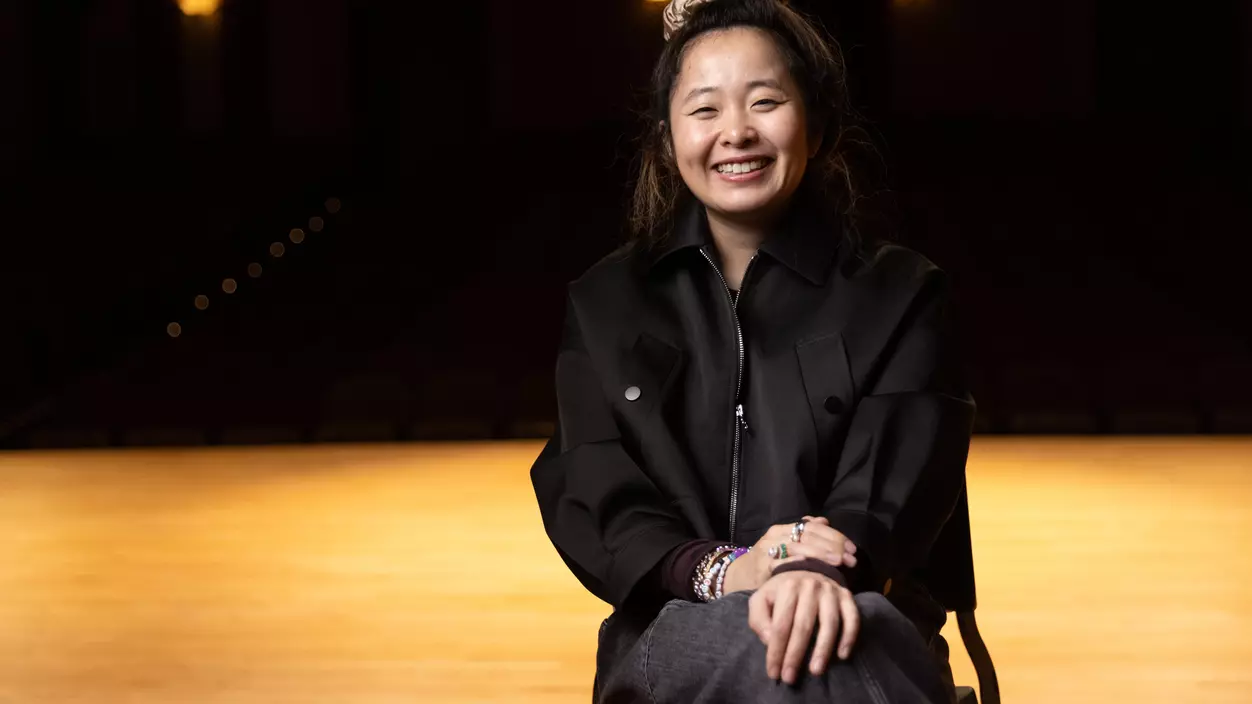
Grace Youn ’13 is a Los Angeles–based multi-instrumentalist, arranger, and producer. In March, she was on campus to give two master classes to students and community members as well as the Spring 2026 Susan Resneck Pierce Lecture in Public Affairs and the Arts titled “The Art of Not Knowing Yet.”

What was the first thought that crossed your mind when you were invited to come back and give this year’s Pierce Lecture, and what did it feel like being up on stage?

When I was asked to do this, I was prepared to say no. It’s been so long since I’ve done any academic study. I never really felt like I was a great student in the traditional sense. The things that I was interested in weren’t necessarily the things that were the focus. So coming back here, I was just wondering, am I even important enough to do this? Do I actually have something compelling to say? Does what I have to say about curiosity actually matter? Can it relate to non-artists? All of those questions were swirling in my head at the time of the ask. And then, I realized I just actually had to go at it and do it. And I’m glad I did.

You mentioned in your lecture that there is a mindset shift to not just focus on the outcomes. Is there a moment when you really started to pursue that mindset shift, or was it natural?

It is not natural. And I actually fight this every single day of my life as a creator. In the lecture, I talked a lot about the concept of making bad art [art that is not immediately perfect or that you think is terrible]. And I have to tell myself that every time I open my laptop and start the writing process. I have to make something. And sometimes I actually tell myself to purposefully make something that I think is going to be terrible to really see if I could actually get myself to do it. And it’s always amazing because it’s like, oh, it’s actually not that terrible.

The audience loved hearing about your time on tour with Hozier. What is something that would surprise people about life on tour?

Every day looks a little bit different, and for me to feel like I could be the best version of myself, I had things that I had to do every single day to create routine. I actually had my own matcha kit that I brought on tour, and so me making matcha for the band was normal. I had the matcha powder, I had my whisk. I had my kettle that would heat the water exactly to 176 degrees. It was a grounding moment for me to just take five minutes for myself — to make my own drink.

Grace Youn ’13
- Grace Youn ’13

“At the end of the day, if you are able to authentically tell your story to the world, it will resonate.”

One of your master classes was titled “Findable. Referable. Hirable. Personal Branding for Musicians,” and it focused on building a reputation and presence in the music industry without influencer energy. What is the most important thing when it comes to branding as a musician?

For me, it’s authenticity, and that’s going to look different for everybody. At the end of the day, if you are able to authentically tell your story to the world, it will resonate. It might not resonate with everybody, but it will resonate with somebody, and that’s the person I’m always concerned about.

What advice would you give to graduating Puget Sound students (like me!)?

You will never have all the answers. And that is OK. I really am a firm believer in timing. There are certain points in my life when I wished an opportunity would come. Looking back, I realize I was not ready for that opportunity yet. I still had more learning and growing to do. Life’s answers are not going to be in front of you all the time, and some of your answers may take longer than you think to find. But they’ll all make sense eventually. We just have to be present enough in the process and get comfortable with being uncomfortable.


The story was reported on and written by senior Janae Hill ’26, an English major and Communication Studies minor, who is one of two Arches student writers this semester. After graduation this spring, Hill plans on finishing her novel.