Community, Students

Summer research students Anna Brown ’26 and Cas Unruh ’28 explore true crime in the media and the technology that’s solving these cold cases

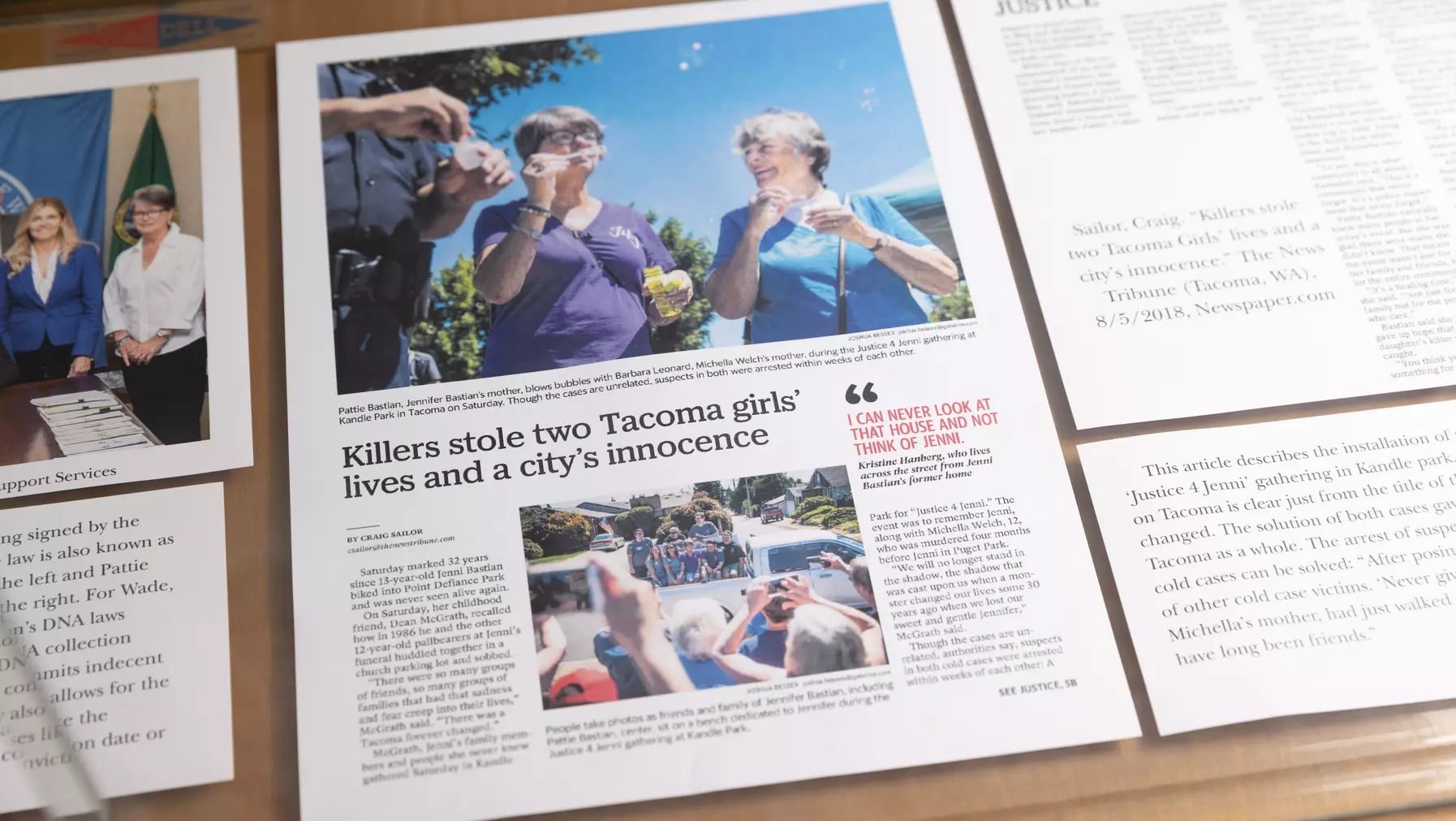
In the spring and summer of 1986, Tacoma was rocked by the shocking rape and murder of two young girls, Michella Welch and Jennifer Bastian. Despite the killings occurring five months apart, the similarities between the victims, including their age, appearance, and the circumstances surrounding their disappearances, were hard to ignore. Locals worried that a serial killer might be lurking in Tacoma’s North End. Despite pressure from the community to bring the killer to justice and continued efforts by the Tacoma Police Department, there simply wasn’t enough evidence to build a case. The trail went cold and both murders remained unsolved for more than 30 years.

The cases are at the heart of Anna Brown’s summer research project, analyzing these famous cold cases and how new technology helped put the perpetrators behind bars. Brown ’26 is a senior at the University of Puget Sound, majoring in science, technology, health, and society and chemistry. As technology provides the tools to solve many of these previously unsolved murders, including many in Western Washington, Brown was interested in understanding not only how investigators are adopting new methods, but also how solving these murders impacts the victim’s community.

“I've been really interested in true crime for quite a while. So, when I was talking to Professor Amy Fisher about summer research, it seemed like an amazing opportunity to be able to research something that I had been interested in for so long,” Brown said.

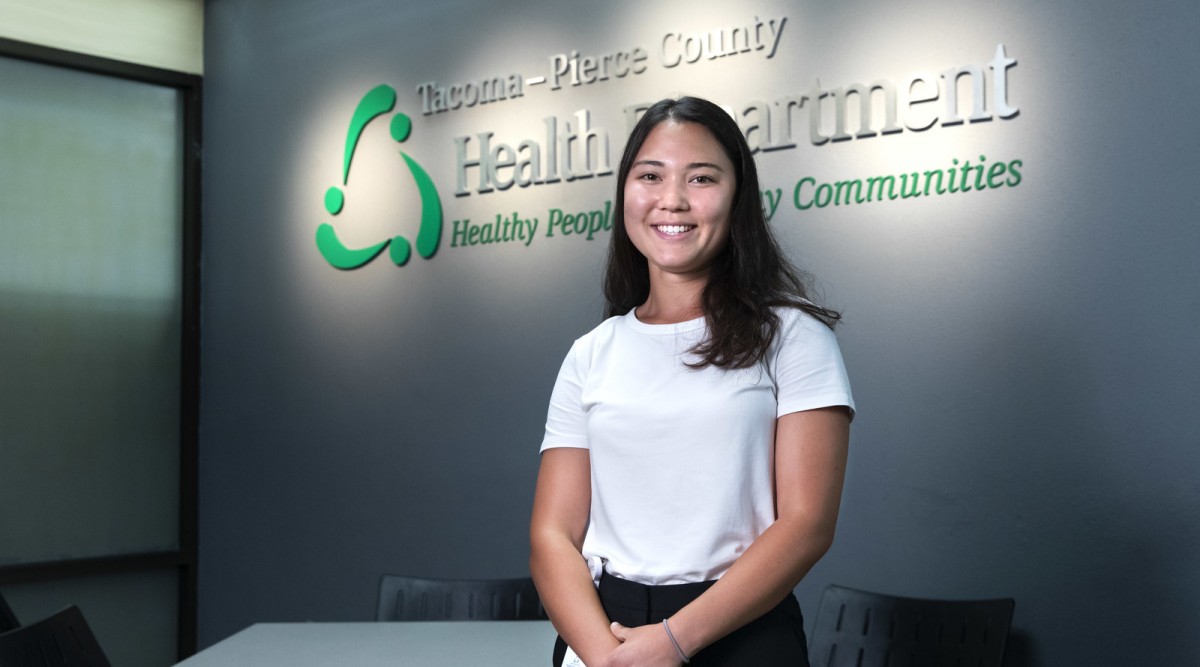
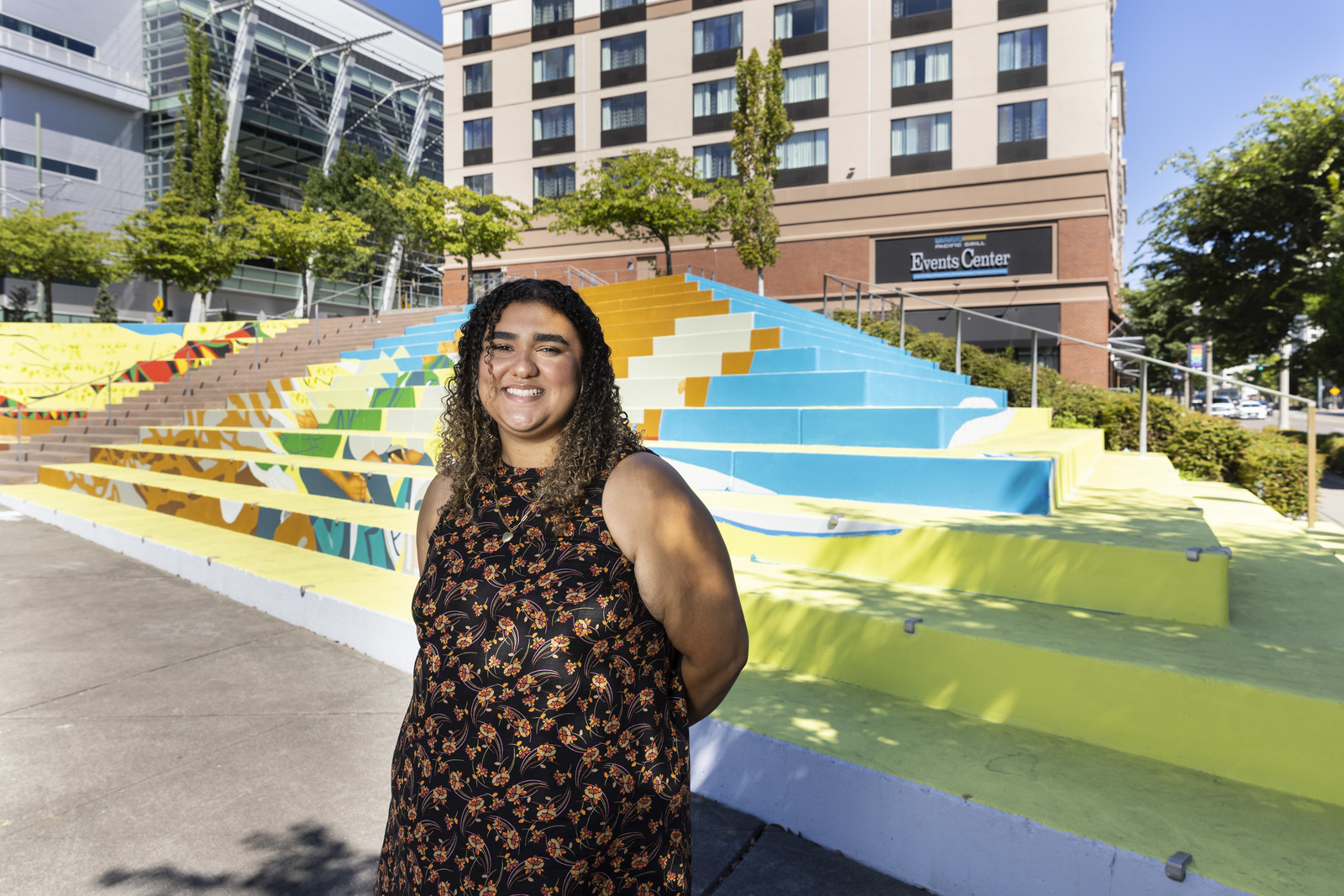
Anna Brown ’26 and Cas Unruh ’28

Anna Brown ’26 (left) and Cas Unruh ’28 (right) worked on related summer research projects focused on unsolved murders from the 1980s. Brown researched the technology that ultimately help crack the cases, while Unruh learned about how media portrayals changed over time.

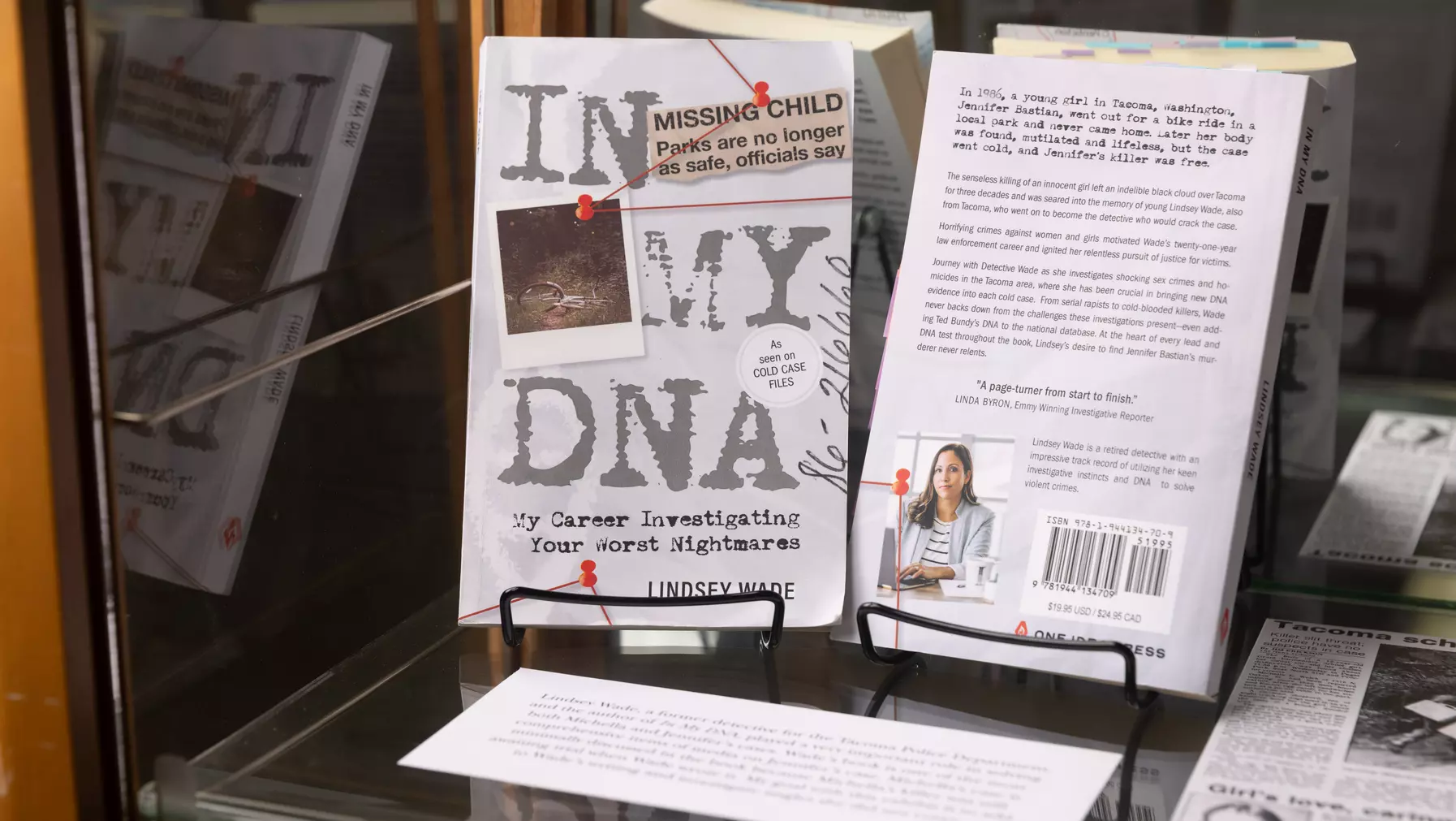
Brown spent the summer researching Welch and Bastian’s cases and the breakthrough that eventually solved them. She poured over 150 news articles, read a book written by Lindsey Wade, one of the detectives who worked on the case, and did a deep dive into a new method for solving murders: forensic genetic genealogy.

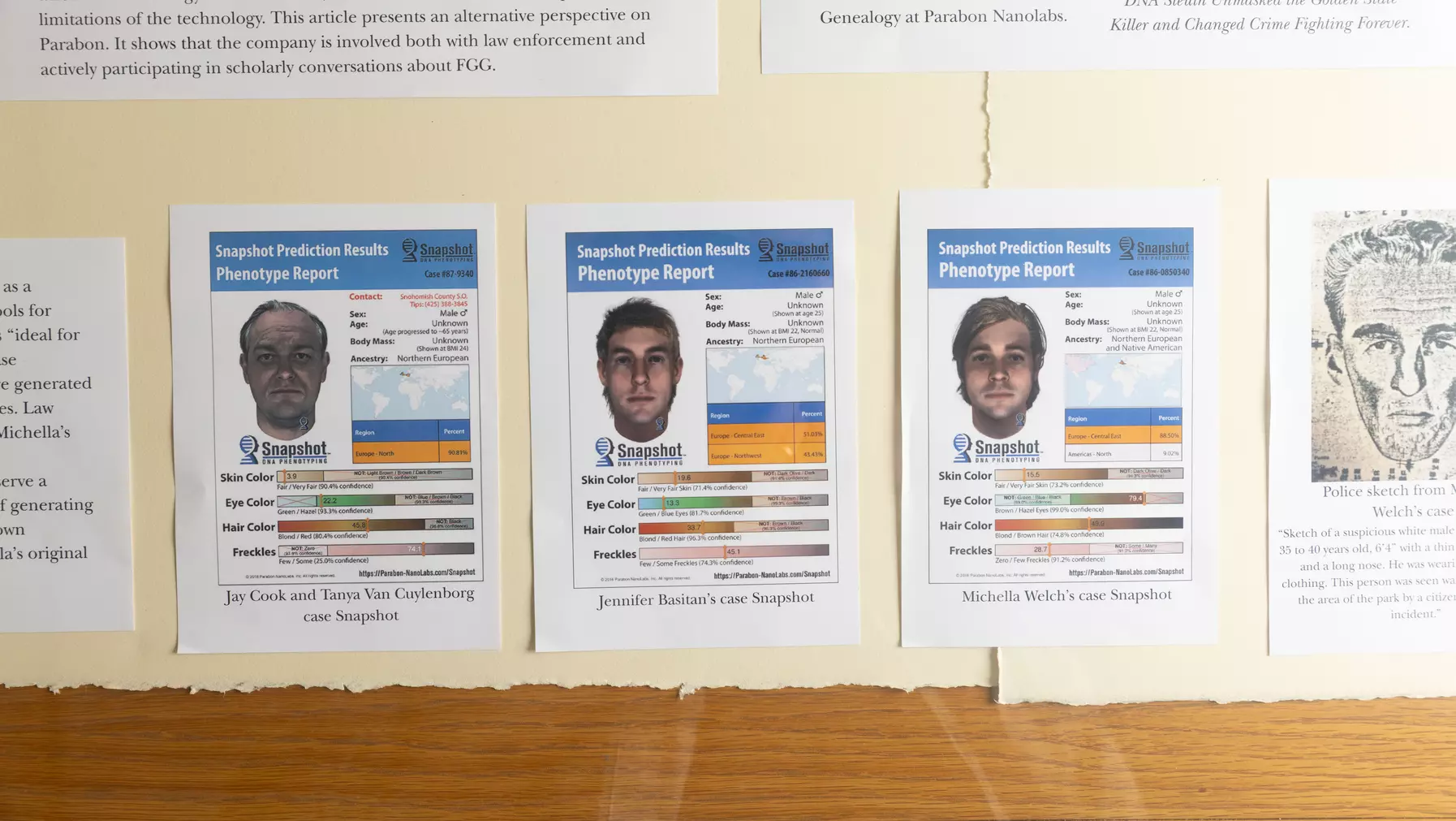
“Forensic genetic genealogy takes genealogical research methods — where you're looking at death records, marriage records, housing records, and newspapers to draw conclusions about familial connections — and applies them to forensic police investigations,” Brown said. “It’s used to identify missing unidentified human remains and to identify suspects based from DNA that is left at crime scenes. Most famously, it was used to finally catch the Golden State Killer.”

Advancements in DNA technology allowed investigators to discover that the murders had been committed by two different people. Using forensic genetic genealogy, investigators were then able to narrow down the list of potential suspects. Those leads eventually led to both killers being caught and convicted.

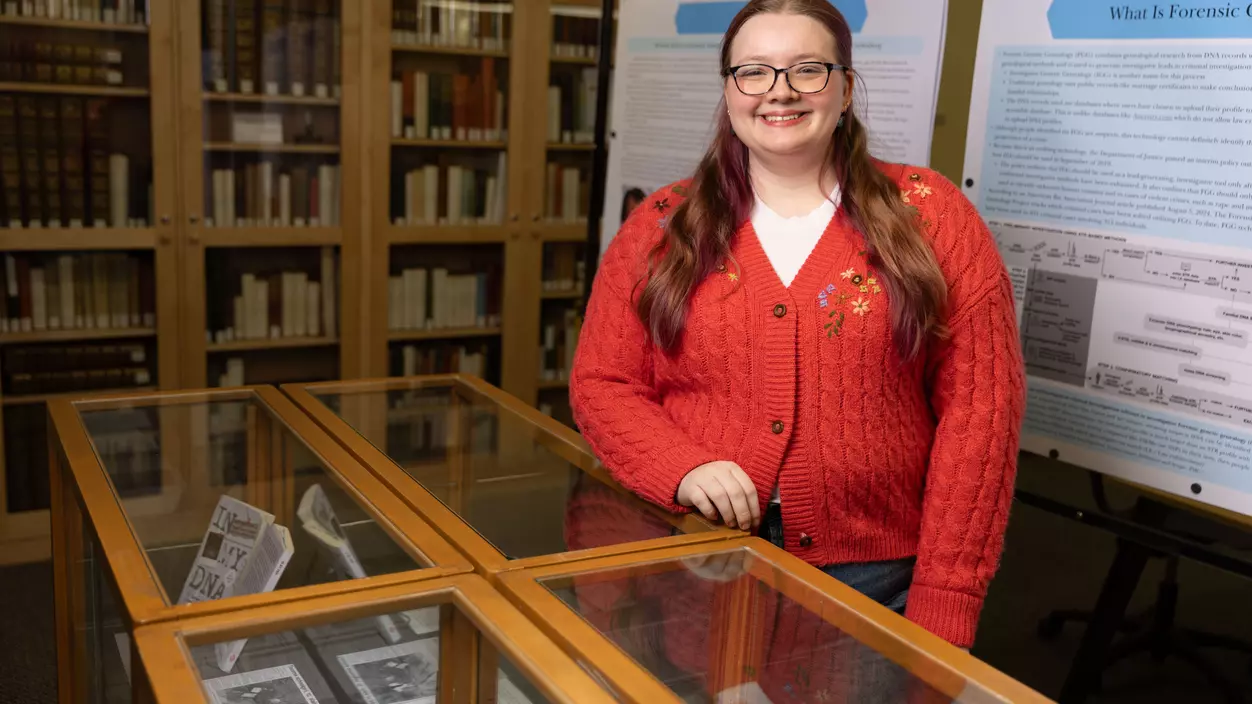
Anna Brown ’26 in Collins Memorial Library.

Brown turned her fascination with true crime stories into a detailed exploration of two infamous Tacoma murders from the 1980s and the investigative techniques that finally brought closure to the families.

“In Jennifer's case, the DNA they recovered wasn’t a match for anyone in their database, so they asked the suspects to provide samples and, surprisingly, the killer cooperated,” Brown said. 

In addition to highlighting the power of new technologies and investigative techniques, these cold cases also revealed the gaps in Washington’s DNA collection laws. The families of the victims advocated for the passing of new legislation, leading to Jennifer and Michella’s Law, which requires law enforcement to collect DNA from anyone convicted of a felony or indecent exposure in Washington and authorizes police to submit biological samples from deceased offenders to the national forensic database.

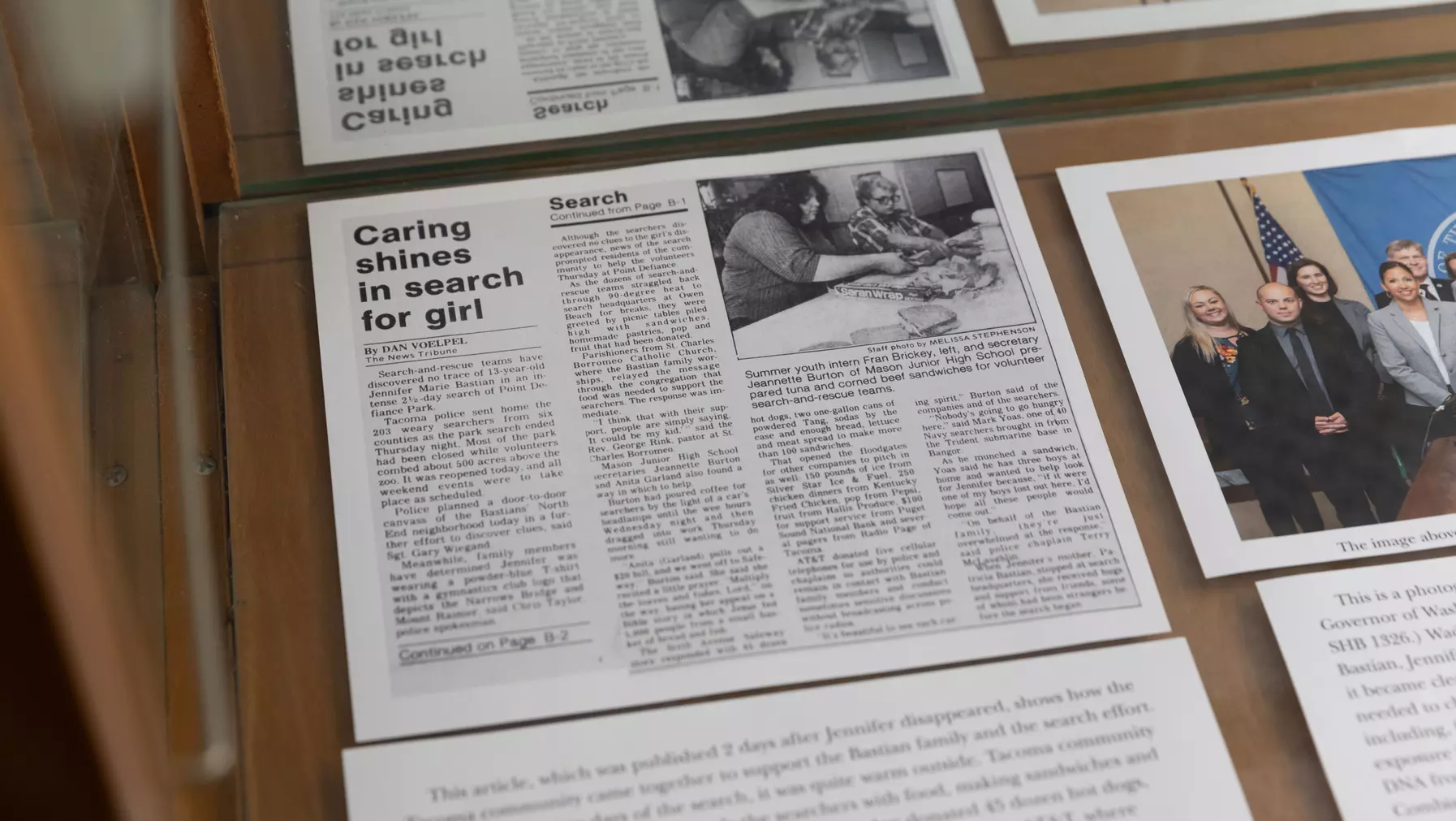
Throughout her research, Brown also noticed another theme — when a child went missing, the community rallied around the families.

“You're seeing the two sides of humanity, the absolute worst of what people are capable of and the absolute best that people are capable of,” Brown said. “Tragedy can bring us together, which is kind of amazing. With the advances in DNA identification, now we finally have the technology to offer closure to those families and to the community.”

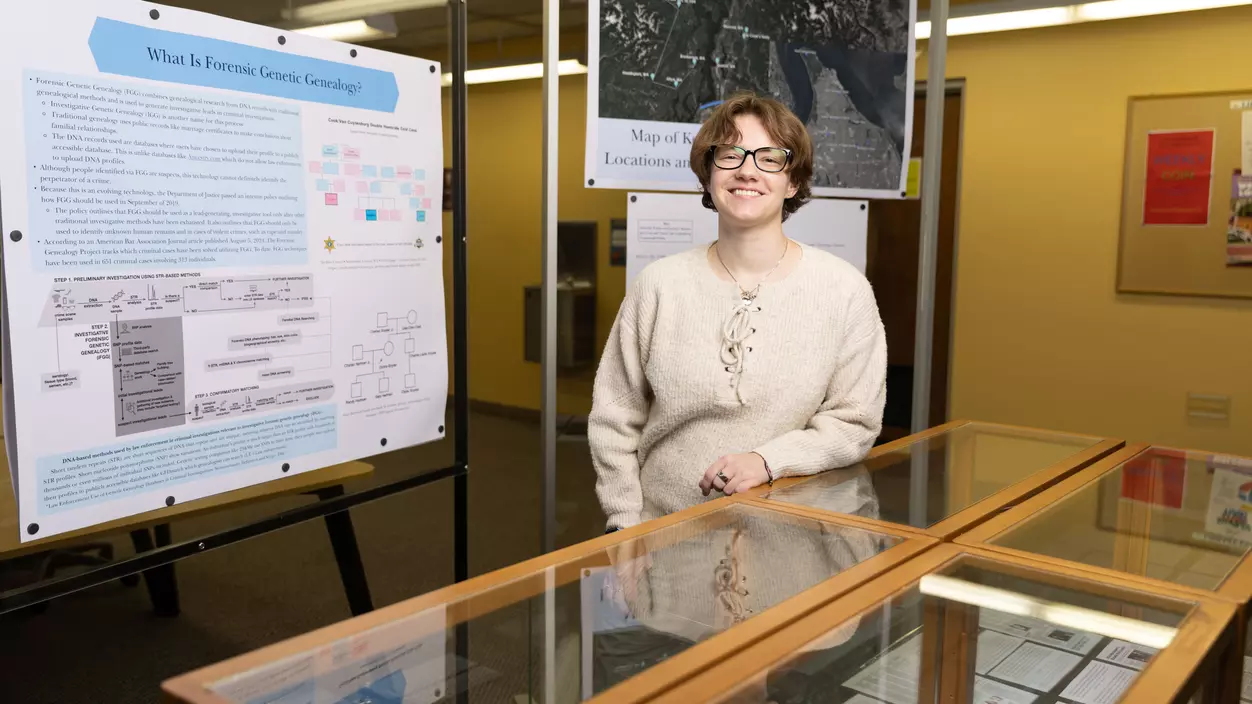
Cas Unruh ’28 in Collins Memorial Library.

Unruh's research highlighted how the media covers homicides, who gets coverage, and how media bias paints a distorted picture of crime in the U.S.

The ways people react to tragedy and how it’s portrayed in the media was the subject of a related summer research project by Cas Unruh ’28. Unruh focused on another murder case from the same time period: the 1987 double murder of Jay Cook and Tanya Van Cuylenborg, who were killed while on a road trip across the Olympic Peninsula. Like the Tacoma murders at the center of Brown’s research, this case remained unsolved for more than 30 years until investigators identified the killer in 2018 using forensic genetic genealogy.

Unruh, a science, health, technology, and society major with a minor in Spanish, was interested in how media portrayal of the case and others like it shifted over time, from the leading theories about the murderer’s identity to discrepancies in the facts being reported. 

“All these different accounts really highlight issues with the ethics of true crime as a whole, especially about who gets coverage,” Unruh said. “White victims, victims who are especially young or old, or more highly educated female victims get more coverage than would be expected based on the percentage of homicides committed. It isn’t that they don’t deserve media attention, but when the victim is a person of color, they end up getting much less coverage for their cases.”

Through their research, Unruh found that media bias persisted from the newspaper articles of the 1980s up to today’s national obsession with true crime podcasts and documentaries.

“True crime as a form of entertainment has really taken off in the past decade,” Unruh said. “A lot of those shows are interested in cold cases, but depending on how they approach the subject, it can have pretty negative effects on the victim’s families — and when all the coverage is about white women who are murdered by strangers, it obscures the reality that Black people are more likely to be victims of homicide and the perpetrator is much more likely to be someone the victim knows.” 

The culmination of Brown and Unruh’s research projects was a display of their findings at Collins Memorial Library, which was made possible through a grant from the Mellon Foundation Humanities for All Time Initiative. The exhibit, located outside of Archives & Special Collections on the third floor, included detailed timelines of the cases they studied, a deep dive into the techniques of forensic genetic genealogy, and examples of media coverage of homicides in Washington state.

“Doing summer research was a really cool experience. It’s not like anything I’ve ever done before,” Unruh said. “I liked being able to dive so deep into the topic and honestly, I wish I’d had time to dig deeper.”