Acknowledging the Past, Constructing the Future 

We recognize the importance of acknowledging and reflecting on our history. Through this initiative, we examine and address the university’s long and complex past, understand how those legacies still resonate in the present, and take steps to create a more welcoming and inclusive future.

Desired Outcomes

Deepen the ways the university promotes engagement with social justice issues. Provide campus and community members the space to consider the experiences and knowledge of others and respond reflectively and creatively, using evidence and empathy. Equip students with the skills and experiences necessary to lead with integrity and courage.

Teaching & Accountability

Since its founding in 1888 by members of the Methodist Episcopal Church, the university has believed in the transformational power of a liberal arts education. 

As part of the Leadership for a Changing World Strategic Plan launched by President Isiaah Crawford in 2018, a group of faculty and staff developed the Puget Sound Memory Project

The university has established an endowment fund to provide grants and fellowships for research, scholarship, creative works, and course development enabling participants to reflect on difficult histories, and, with empathy, develop the skills and experience to lead with integrity and courage.

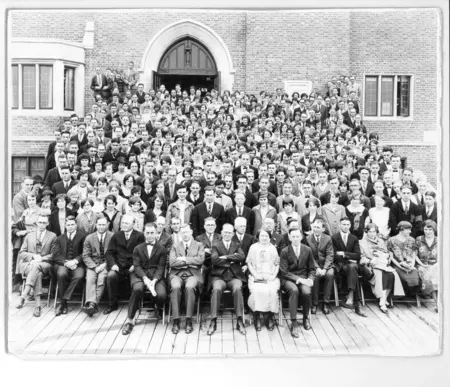
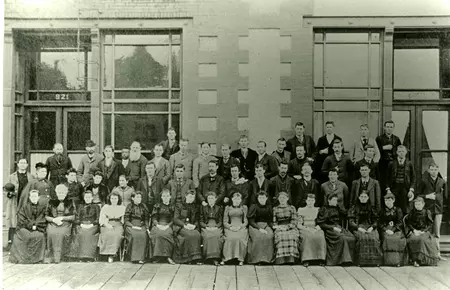
First class of Puget Sound graduates


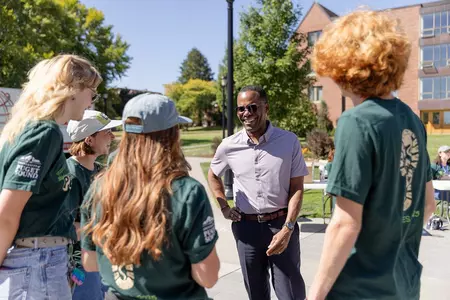
President Crawford talks with students.
Students collaborate.

How It Works

The Puget Sound Memory Project revolves around the development of yearly theme programming. 

The goal is to develop projects that apply historical knowledge to real world situations and challenges. They are designed to engage the public, speak to diverse audiences, and present interdisciplinary attention to a range of perspectives and expertise. These projects will involve ethical and responsible engagement with the past. 

Theme-aligned projects are selected through a robust application and review process. Summaries of awarded project outcomes will be temporarily displayed here and then shifted to the university’s archives. 

The initiative is anchored by a gift from Class of 1972 alum Ellen Ferguson, who earned degrees in political science and history and turned to a career of museum work.

Opening Assembly of Puget Sound students and faculty, circa 1925
Opening assembly of Puget Sound students and faculty, 1925
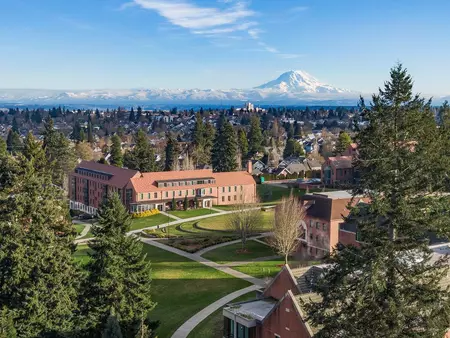
View of Mount Rainier from campus
Students studying in the library
Studying in the library
What's in a Name?
In 2023, at the recommendation of President Isiaah Crawford, the university’s Board of Trustees voted to remove the name "Slater" from the Slater Museum of Natural History based on strong and noteworthy evidence that compellingly demonstrated retaining the name "Slater" would be harmful to the university's mission and inclusiveness and inconsistent with the university's integrity.

The comprehensive process by which this happened illustrates how we can investigate the past, engage with the present, and reimagine our future, sustaining an academic community that prepares people to make the world a better place.
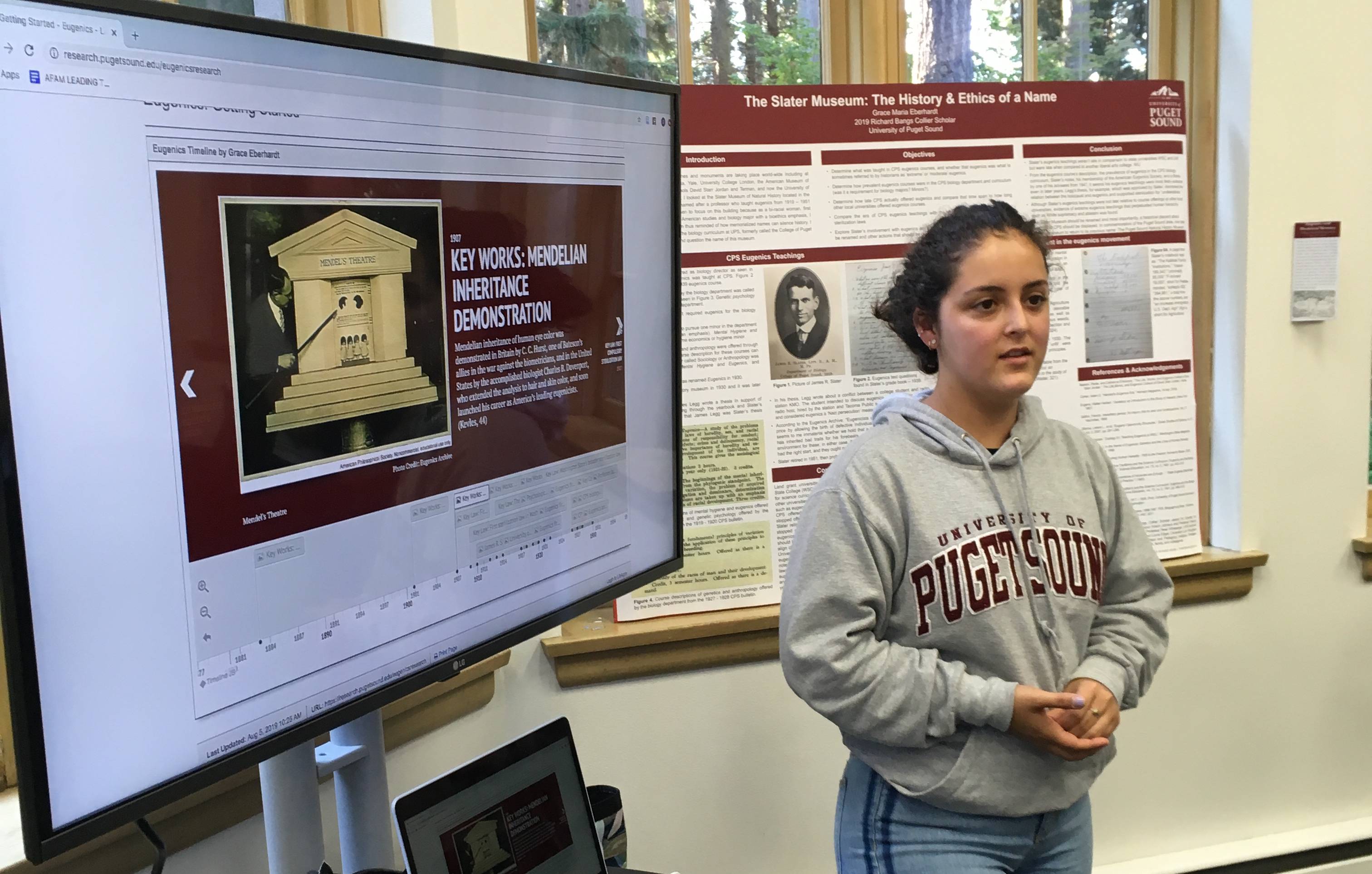
Grace Eberhardt '20

Investigate the Past

African American Studies, Biology, and Bioethics student Grace Eberhardt '20 learned that the campus museum was named after James Slater, a professor who taught biology at the university from 1919 to 1951 and co-founded the university's Natural History Museum. In 1979, the university’s trustees renamed the museum to honor Slater's long career. 

Slater made important contributions to the university through his teaching and research, including his dedication to the university's natural history museum. In alignment with common biology curricular practices of the era, Slater began teaching courses on Eugenics in 1921. 

Slater continued this instruction until he retired in 1951, years after most universities had stopped offering courses titled "Eugenics." The university continued to offer eugenics courses until 1954.

Photo: The Class of 1911 sits on the steps of the Sixth & Sprague campus administration building.

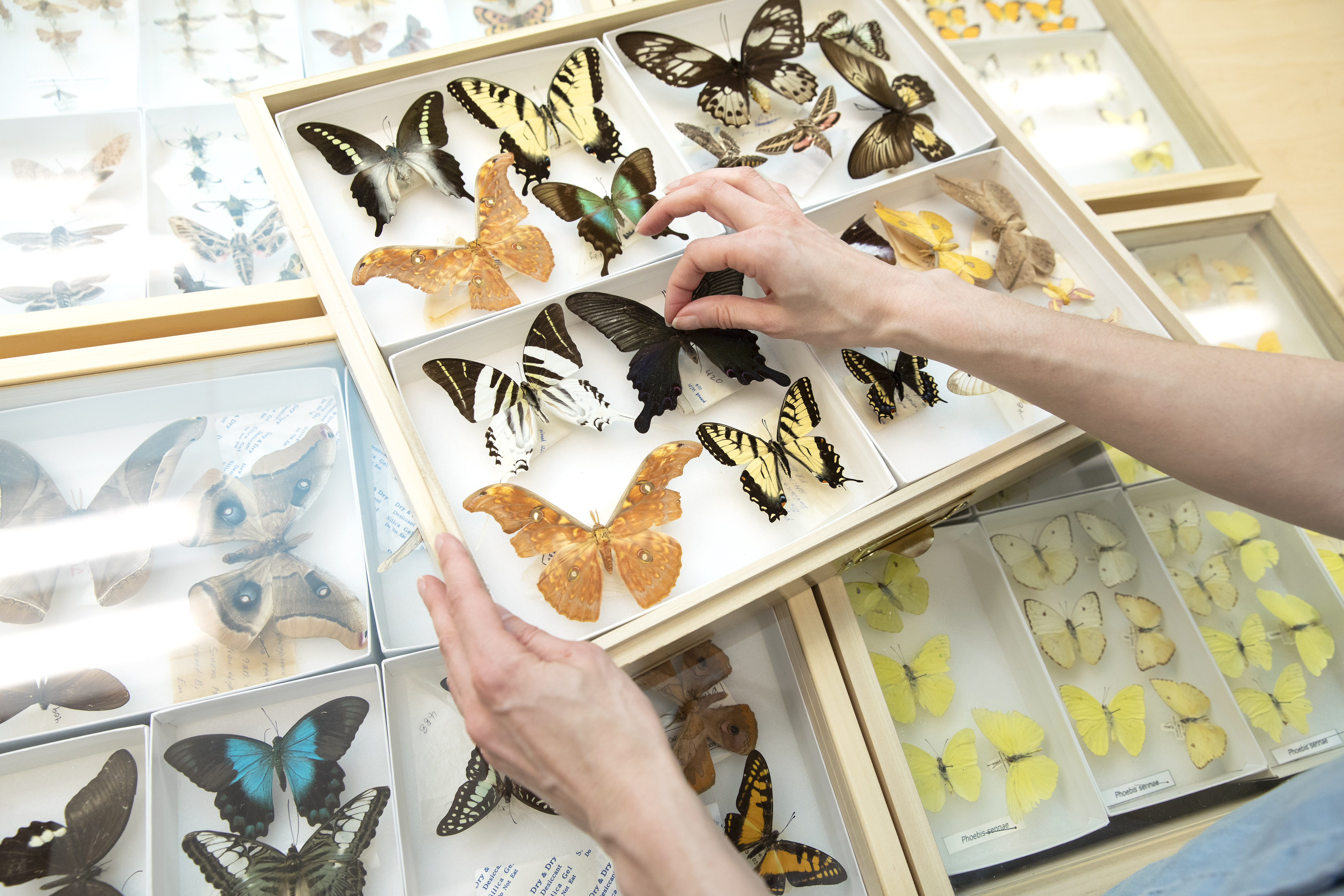
A docent works with specimens in the butterfly collection in the Puget Sound Museum of Natural History.

Engage with the Present

2019

As a student, Grace Eberhardt '20 drew upon her African American Studies and Bioethics training to research a series of questions regarding Slater. 

  • Why did he teach a course on eugenics?
  • What was the content of his course? 
  • Did his course reflect community and institutional values?
  • Should the name of the museum be changed?
Learn More

The university planned a National Science Foundation-funded symposium on the history of eugenics for 2020. Although the symposium was canceled due to the COVID-19 pandemic, lectures by experts on the history of eugenics and an archive display were compiled for an online resource.

2021

In September 2021, Eberhardt '20 submitted a request to remove Slater's name from the university's Museum of Natural History, asserting that memorializing those whose past values conflict with the university's present-day mission and values causes harm.

A committee was appointed to recommend principles that would guide the renaming of buildings and spaces on campus. The committee submitted a report and endorsed Eberhardt's request.

2022

The university formally adopted a Policy on the Reconsideration or Removal of Names on University Buildings and University Spaces. President Crawford appointed a committee of faculty, staff, students, alumni, trustees, and community experts to review Eberhardt's request.

2023

The committee conducted an extensive review of the request and related documentation and submitted its final report to President Crawford in April 2023. The committee unanimously recommended to President Crawford that the name be removed from the museum.

In May 2023, President Crawford made a recommendation to the university's Board of Trustees to remove the name "Slater" from the Museum of Natural History. The Board of Trustees unanimously approved the president's recommendation.

Photo: A docent works with specimens in the butterfly collection in the Puget Sound Museum of Natural History.
Three students collaborate on laptops in a classroom.

Reimagine the Future

The removal of the name "Slater" from the university's natural history museum reflects a commitment to ensure a Puget Sound education is inclusive and welcoming for all. The comprehensive review process and ultimate decision to remove the name demonstrate the critical inquiry and interdisciplinary research and learning that are hallmarks of a liberal arts education.

2026

This inaugural exhibit associated with the Puget Sound Memory Project showcases the work associated with the renaming of the museum as an example of how the university acknowledges its past, engages with the present, and seeks to construct a more inclusive future.

The degree to which eugenic thinking persists in society, including the sciences, must continue to be examined.

What do you think should be done next, as Puget Sound works to understand the past, confront the present, and reimagine the future? Submit your feedback. 

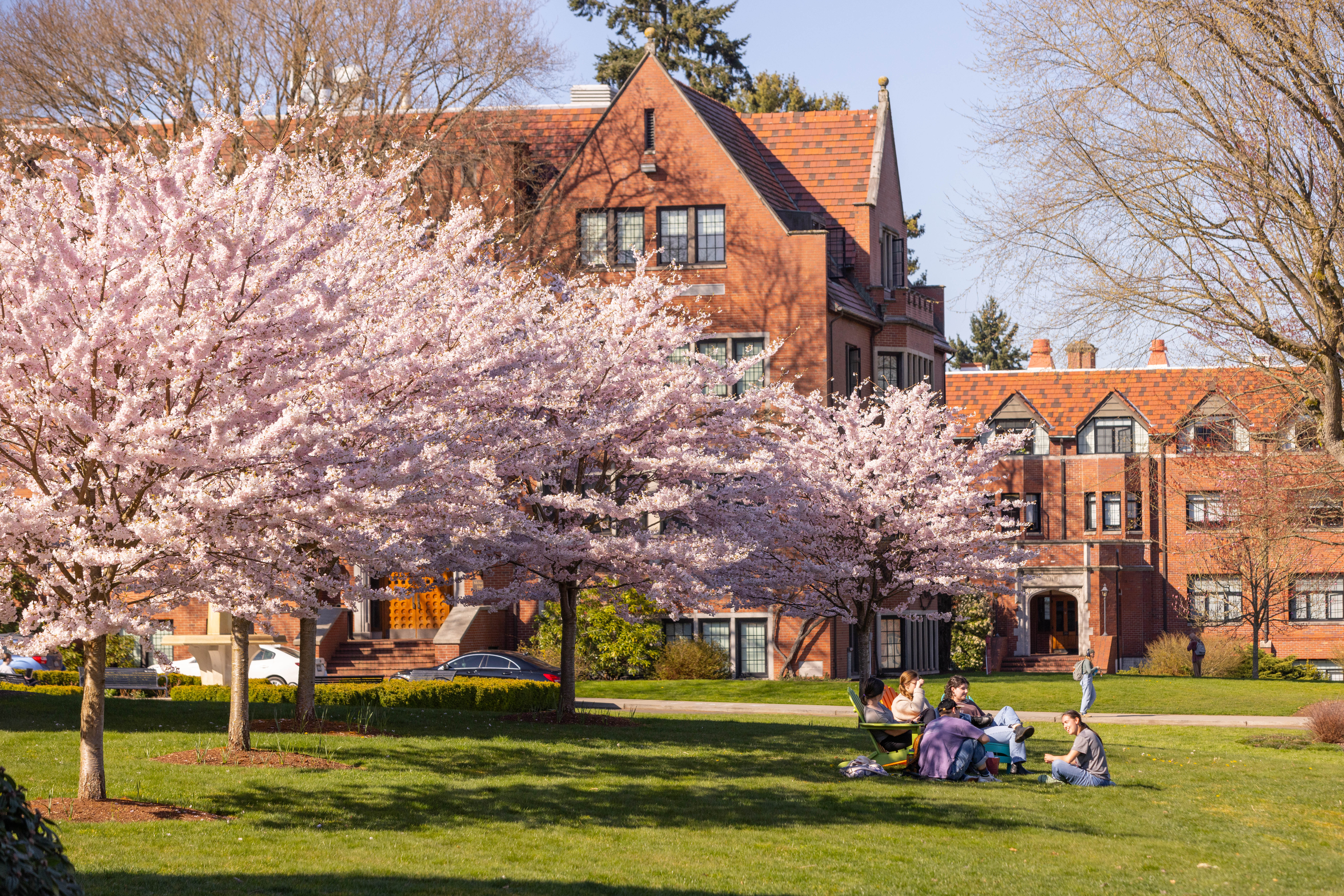
Students study under the cherry blossoms on campus.

In remembrance of the Japanese Internment

The 1941 attack on Pearl Harbor led President Franklin D. Roosevelt to sign Executive Order 9066, forcing the incarceration of an estimated 120,000 Japanese Americans. In Washington, nearly 13,000 people were forcibly removed from their homes and communities — including 36 students from University of Puget Sound.


Remember the Past

The cherry trees were initially planted in 1940 by the Japanese Students’ Club symbolizing a circle of friendship. In 2017, members of the campus community renewed their remembrance of the Japanese students in a planting ceremony for five new Yoshino cherry saplings along the eastern side of Howarth Hall. Today, a plaque and these trees honor the students whose education was unjustly interrupted and serve as a reminder of the fragility of freedom. Just before the students were removed from campus, they shared this message of solidarity and hope: 

Each spring, you will watch the cherry trees bloom and grow. It has been our only tangible contribution to the college. It is our most earnest prayer that our friendship will continue to grow. At this time, we say, not goodbye, but until we meet again. - Sigeo Wakamatsu

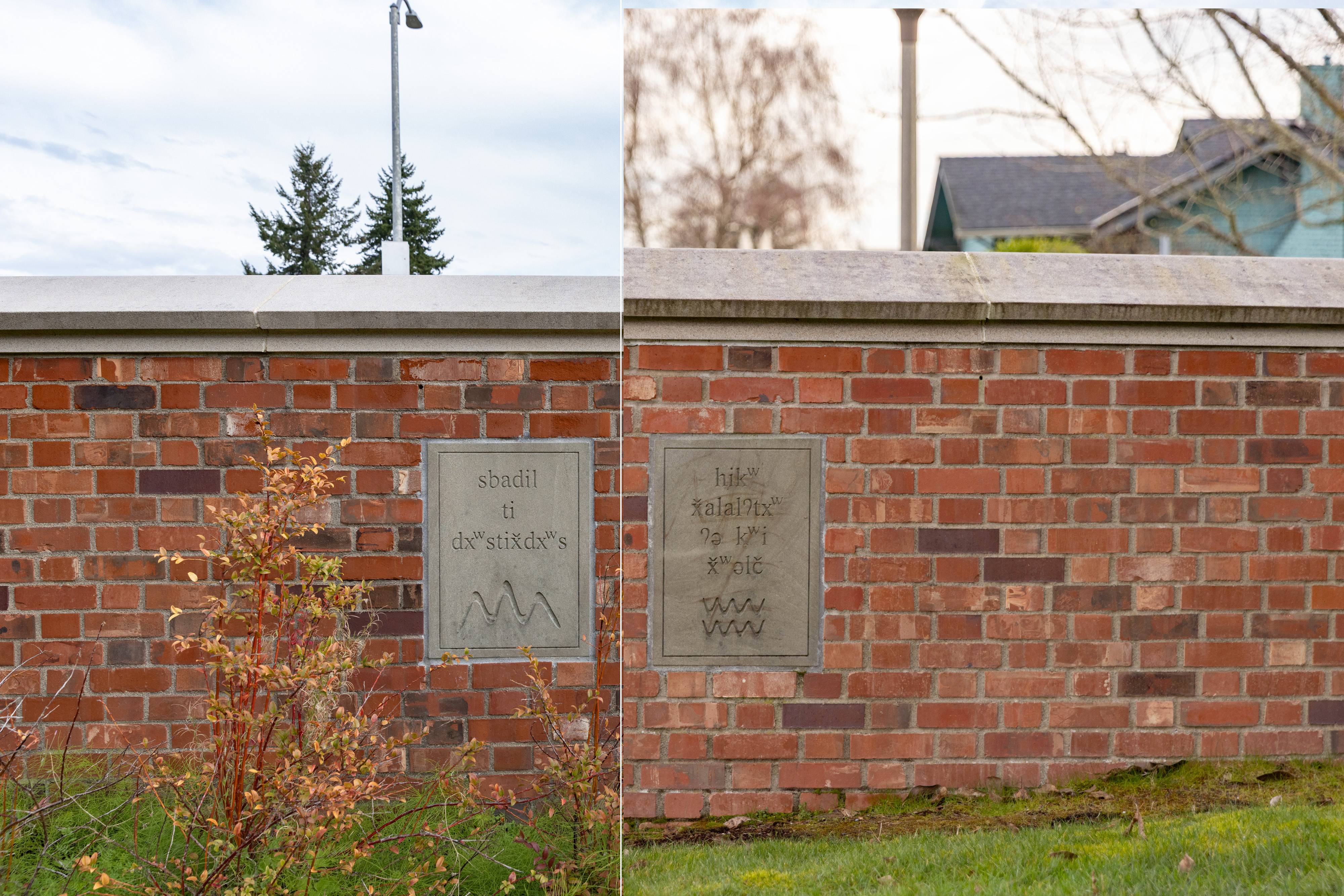
Composite image of the Lushootseed plaques on the back of the entrance walls on North Alder Street

Honoring Indigenous knowledge through living language

Language and communication are fundamental aspects of education and culture. Acknowledging and preserving diverse ways of knowing — and the languages that facilitate them — are critical. When University of Puget Sound constructed the entry wall at the campus entrance at Alder Street and North 15th Street in 2008, it sought to honor the knowledge and language of the Indigenous peoples of the Puget Sound.


Remember the Past

The goal for the entry wall was to invite community members into a subtle yet meaningful dialogue regarding the history of this specific place and region. Two signs facing the campus feature text written in Lushootseed, a language spoken by 13 tribes in the Puget Sound region. Lushootseed is a member of the Salish language family, which comprises 23 distinct languages. 

Translated by the Tulalip Tribes of Washington, the sign on the left reads University of Puget Sound, while the sign on the right translates to Our Guardian is the Mountain. 

Ultimately, the use of this language allows us to honor ancestors, express appreciation for a sense of place, and a desire to deeply connect with the ecosystem we inhabit

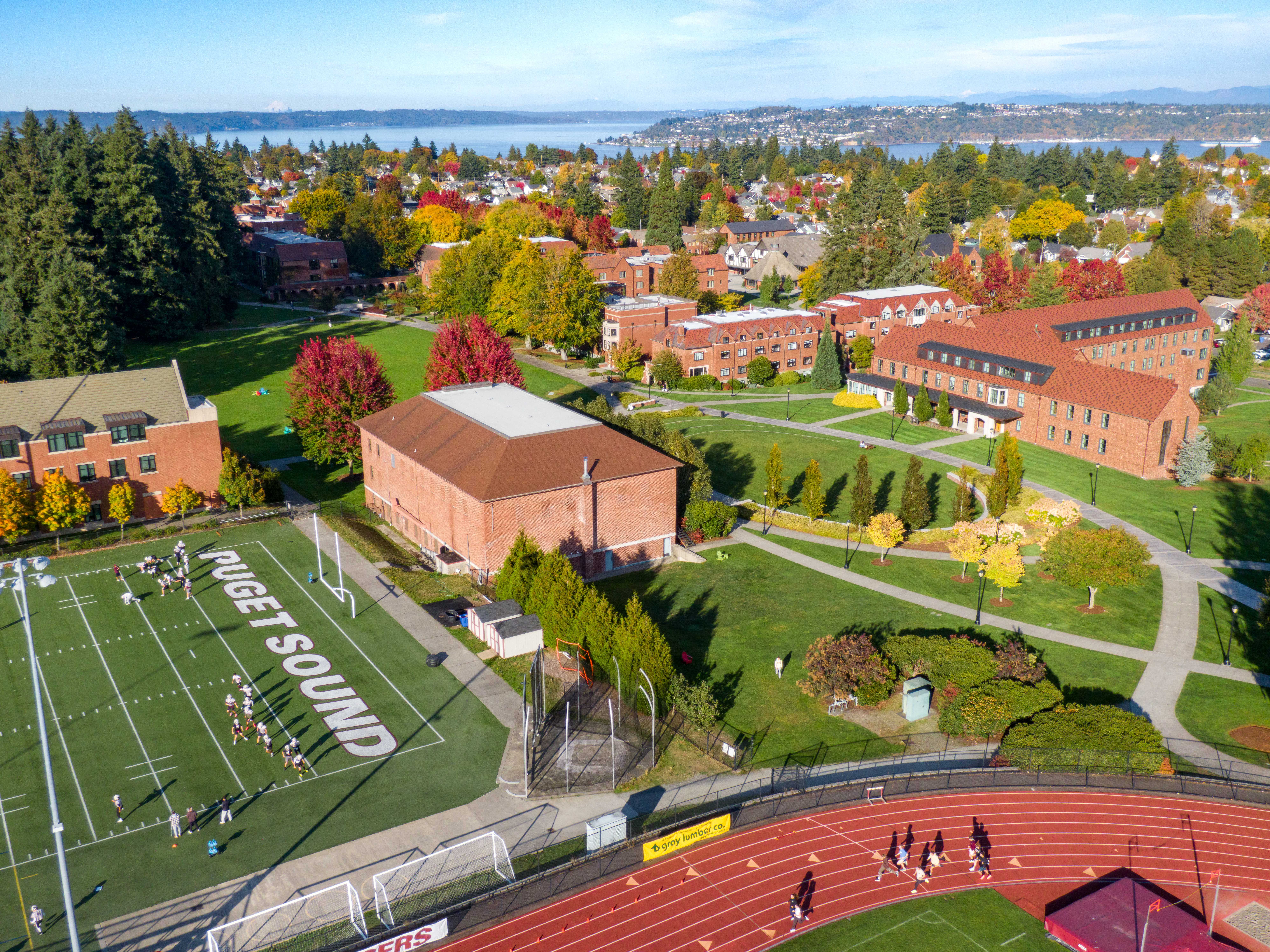
Aerial view of campus with Commencement Bay in the background

Acknowledging our presence on Indigenous lands

The university is on the traditional homelands of the Puyallup Tribe. The Puyallup people have lived on and stewarded these lands since the beginning of time, and continue to do so today. We recognize that this land acknowledgement is one small step toward true allyship and we commit to uplifting the voices, experiences, and histories of the Indigenous people of this land and beyond.


Remember the Past

The land acknowledgment comes from the advice on the Puyallup Tribe website and was first used at the university to open the business meeting of the Puget Sound Board of Trustees in February 2021. The Board acknowledged ASUPS President Nicole Carino ‘21 for inspiring them to take this step based on her inclusion of a land acknowledgment statement in her reports to the Board during her service as an ex officio member. 

This acknowledgment signifies a commitment to our continuing efforts to build a positive and caring relationship with the people of the Puyallup Tribe, to the uplifting of Indigenous Communities and protecting the land and resources that sustain us.