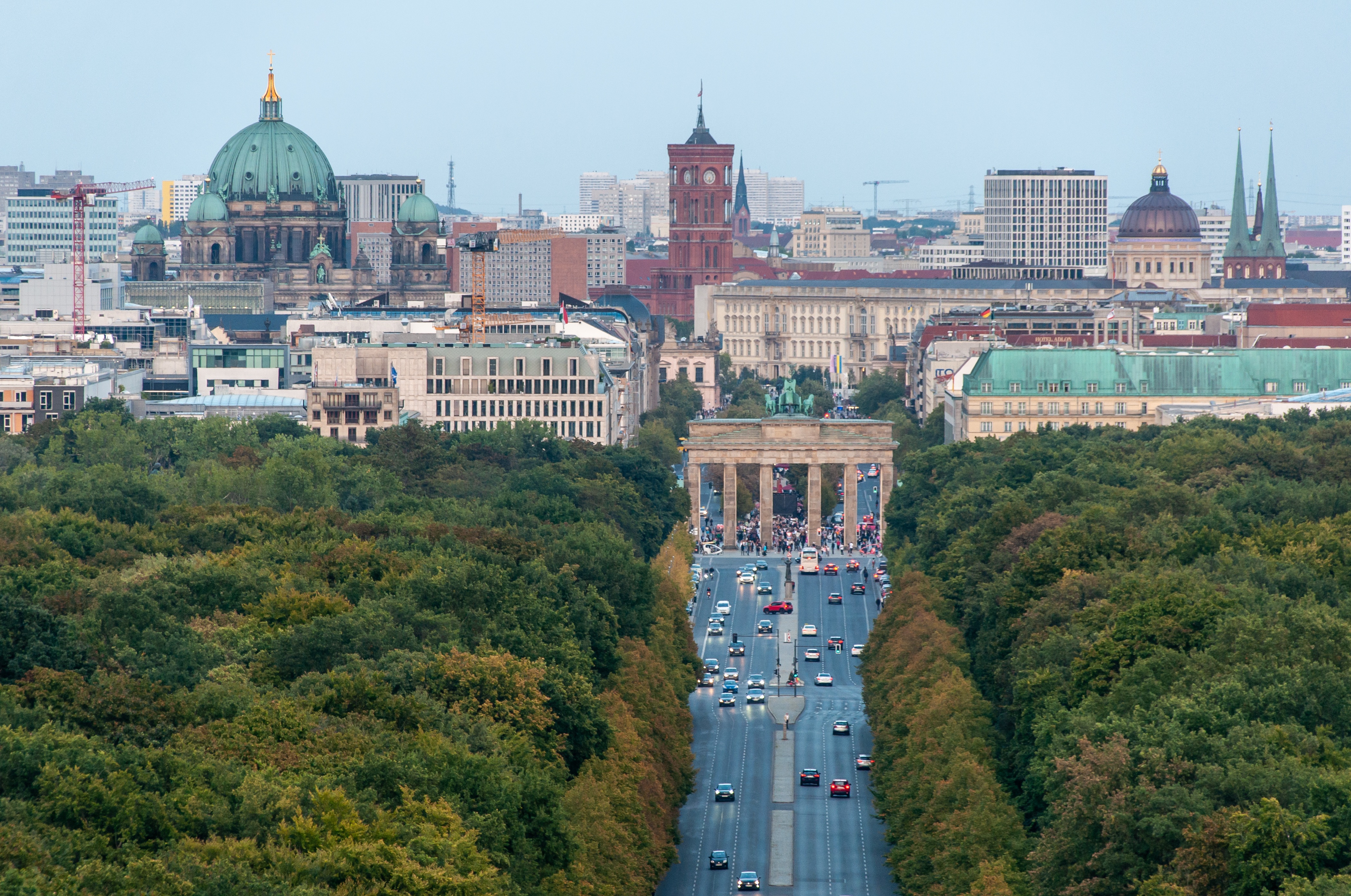
Berlin

Explore the Intersection of History & Urban Ecology in Berlin, Germany

This tour of Berlin, Germany was led by Professor of Biology Andreas Madlung. Participants spent 10 days exploring how the city's history—from its days at the center of the Prussian monarchy through the Nazi reign and the city's division during the Cold War—has shaped the cultural and ecological landscape of this fascinating European metropolis.

Trip Details

Travel Dates: May 12–23, 2025
Group Size: 14 travelers 
Cost: $4,700 single occupancy
$8,000 double occupancy

Cost includes accommodations, excursions, transportation, and some meals. Does not include airfare or travel arrangements to and from Berlin.


Why Travel with Puget Sound?

When you book an experience with Puget Sound Alumni Tours, you get to explore interesting regions of the globe with expert faculty members, enabling you to gain a new perspective and deeply immerse yourself in the places you visit. See the world and expand your knowledge with our Alumni Tours program.

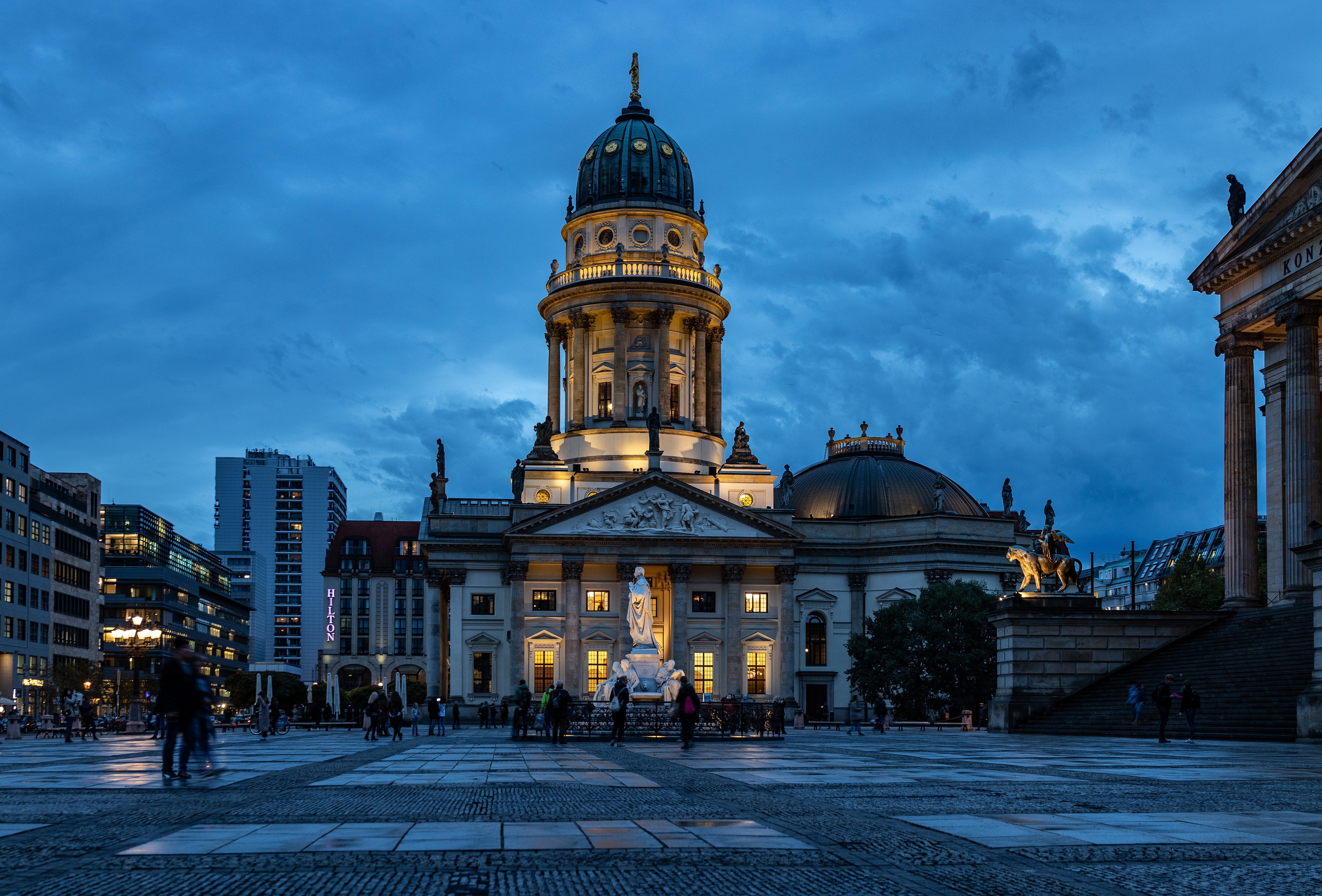
Berlin cathedral

Accommodations

We stayed at the Hotel Oderberger, located in the Prenzlauer Berg neighborhood in the heart of the city. The Hotel Oderberger features comfortable rooms, a historic pool and spa, a bar and lounge, an onsite restaurant, and an exquisite, complimentary breakfast buffet every morning. Occupying a part of Berlin that was in the Soviet Zone during the Cold War, this hotel is surrounded by bars, restaurants, shops, and entertainment and is a perfect base from which to experience the city’s history and revitalization.

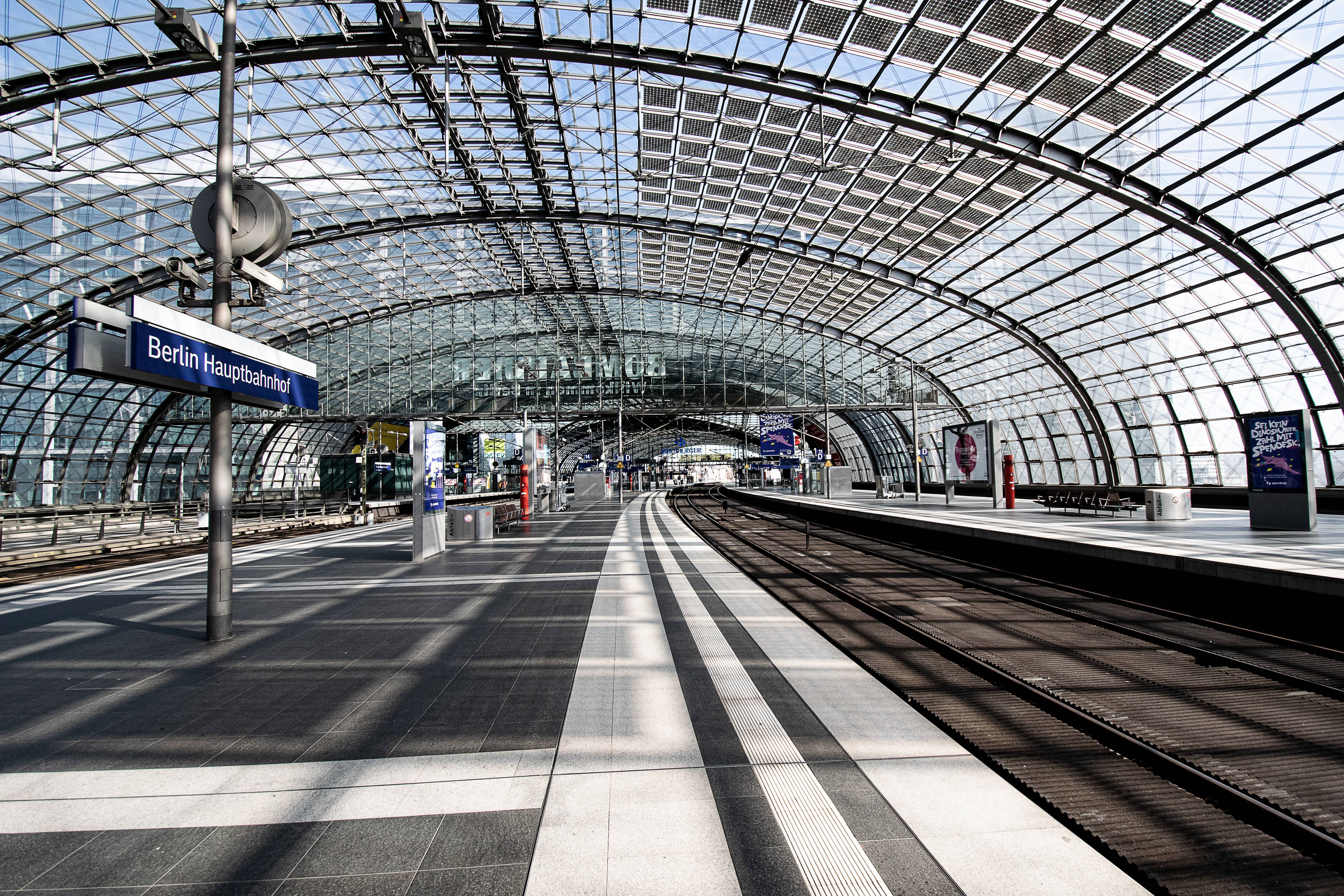
Berlin train station

Excursions

We spent 10 days exploring the city of Berlin, learning about its imperial roots, its time under Nazi rule, the division of the city at the height of the Cold War, and its later reunification. Along the way, we visited historic sites, took in some of the city’s many museums and cultural attractions, and gained an understanding of how the flow of history continues to shape its environment.

Itinerary

Breakfast included every morning at the hotel.

  • Arrival | May 12: Arrived in Berlin and took public transportation to hotel (Flights arrive in early-to-mid afternoon from the U.S.)
  • Day 1 | May 13: First full day in Berlin – Delved into Berlin’s imperial history and toured castles built by Prussian kings (picnic lunch provided)
  • Day 2 | May 14: Germany Under Nazi Rule – Toured the Topography of Terror exhibit and memorial, the Jewish Museum, and the Holocaust Memorial to understand life in Berlin during WWII (lunch and dinner provided)
  • Day 3 | May 15: Peaceful Revolution, Human Ecology, & Gentrification – Explored the city's redevelopment after the fall of the Berlin Wall with a guided tour of Prenzlauer Berg where civil rights activists organized their protests in various churches that gave them cover under the guise of establishing "environmental libraries" - Learned about gentrification in this part of Berlin that used to be a center for squatters, artists, and political rights advocates (picnic lunch provided)
  • Day 4 | May 16: The Division of Berlin – Participated in a guided bike tour of the Berlin Wall (or alternative activities), visited the Wall Memorial, and participated in a workshop or guided tour about the fall of the Berlin Wall. In the evening, attended a performance of the German opera “The Flying Dutchman” at the Staatsoper Berlin
  • Day 5 | May 17: Visited the museum and prison complex run by East German State Security (the Stasi) during the Cold War, where former prisoners share their first-hand experiences
  • Day 6 | May 18: Free Day - Options to visit the Mauerpark Fleamarket, and a selection of the museums on Berlin’s Museum Island
  • Day 7 | May 19: History Meets Ecology – Toured the Tempelhof Airport building and the former U.S. Air Force headquarters to learn about the Berlin Airlift during the Soviet blockade of the city, followed by a visit to the Floating University, a nature/cultural learning site, and the Kreuzberg District (dinner provided)
  • Day 8 | May 20: Visited the Botanical Garden with its impressive greenhouses - In the afternoon, learned about the evolving, urban ecological landscape of the city at a former rail yard turned no-mans-land that was later reclaimed by nature (picnic lunch provided) 
  • Day 9 | May 21: Visited Nature Park Südgelände in the morning (free time in the afternoon)
  • Day 10 | May 22: Visit to the Wannsee Conference House - Afternoon, took a boat ride across Berlin's largest lake with the Liebermann Villa Wannsee Boat trip (dinner provided)
  • Departure | May 23: Departed from Berlin to the United States or other destinations in Europe
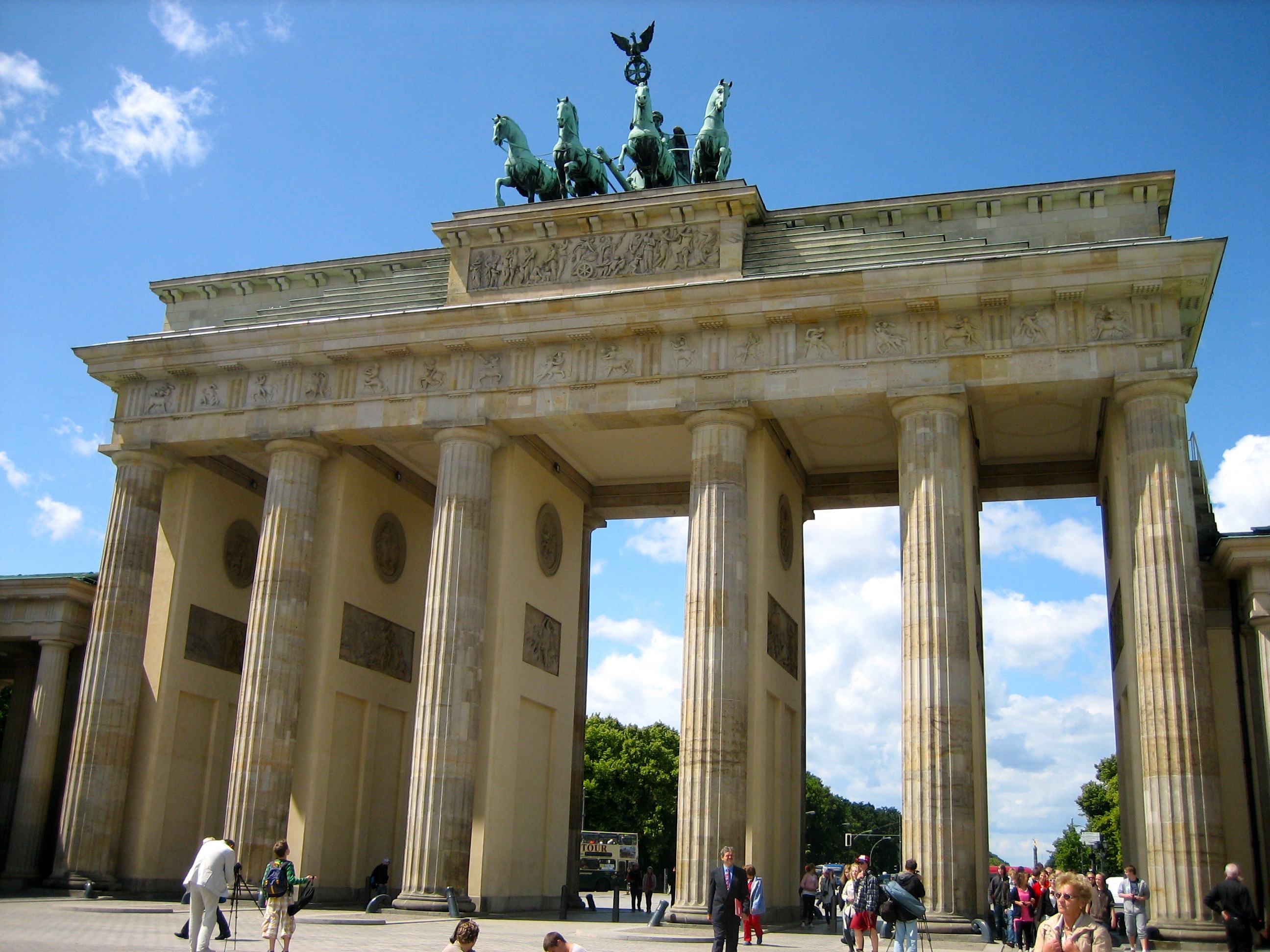
Brandenburg Gate, Berlin

About Berlin

As both the capital of Germany and its largest city, Berlin has spent centuries at the crossroads of Western European history. Known for its arts and culture, architecture, parks and museums, nightlife, and vibrant culinary scene, Berlin is one of the continent’s top destinations. The city is easy to navigate on foot, bike, or public transportation and its central location makes it the perfect jumping-off point for further travel in Europe.

Frequently Asked Questions About Berlin

Professor Andreas Madlung

Professor Andreas Madlung

Andreas Madlung is professor in the Department of Biology at the University of Puget Sound. A plant biologist by training, for the past three decades Professor Madlung’s work has focused on how plants respond to their surroundings, their behavior in stressful conditions, and in particular their use of light receptors to orient themselves in time and space.

Born in Hamburg in what was formerly West Germany, Madlung grew up in a family that was divided between east and west by the Cold War. He witnessed first-hand the difficulties of maintaining family ties across the Iron Curtain and traveled extensively in Germany before, during, and after the fall of the Berlin Wall. During the 2023–2024 academic year Madlung lived in Berlin, where he conducted research.

His longstanding scholarly pursuits explore how organisms, particularly plants, deal with changing environments both on the cellular as well as the whole organism level. Living in Berlin inspired Madlung to take a closer look at the intertwined nature of plants, animals, and humans in a modern city that is uniquely shaped by its Cold War past, and in which the city’s inhabitants take an extraordinarily active part in shaping its ecology.

Madlung has published extensively with undergraduate researchers, postdocs, and technicians from his laboratory at Puget Sound. His research has been funded by the U.S. National Science Foundation and the Murdock Charitable Trust.