Join Us in Central Europe

Three capitals. Twelve days. One planetary crisis.

On foot, by train, and with open minds we will explore how different countries along the former Iron Curtain approach a common problem.

We will focus on energy, resilience, public involvement, and social justice – but we will also see and experience three of the most vibrant and historic cities in Europe.

TRIP DETAILS

  • Travel Dates: May 17–29, 2027
  • Cost: $5,900 single occupancy / $10,900 double occupancy
    Reserve with a deposit by November 20 and save: $5,700 single / $10,400 double
    Cost includes accommodations and excursions. Does not include airfare or travel arrangements to and from Europe.


Why Travel with Puget Sound?

When you book an experience with Puget Sound Alumni Tours, you get to explore less-traveled regions of the globe with expert faculty members, enabling you to gain a new perspective and deeply immerse yourself in the places you visit. See the world and expand your knowledge with our Alumni Tours program.

Berlin

Accommodations

We will stay four nights each in Berlin, Prague, and Vienna. In Berlin we will stay at Hotel Oderberger, located in the Prenzlauer Berg neighborhood in the heart of the city. The Hotel Oderberger features comfortable rooms, a historic pool and spa, a bar and lounge, an onsite restaurant, and an exquisite, complimentary breakfast buffet every morning.

Hotel Falkensteiner is a 5-star, modern, boutique-style hotel in central Prague, just steps away from Wenceslas Square and the train station. It features an extensive, high-quality breakfast buffet and an on-site restaurant and lounge with jungle-inspired decor and outdoor courtyard seating.

In Vienna, we will stay at Mooons Vienna, very near Central Station and historic Belvedere Place. The rooms in this stylish hotel are soundproof and feature round "full-moon" windows that double as seating areas. The seasonal rooftop bar offers gorgeous skyline views, and the vegetarian-focused breakfast buffet is served in the outdoor garden space during warm months.

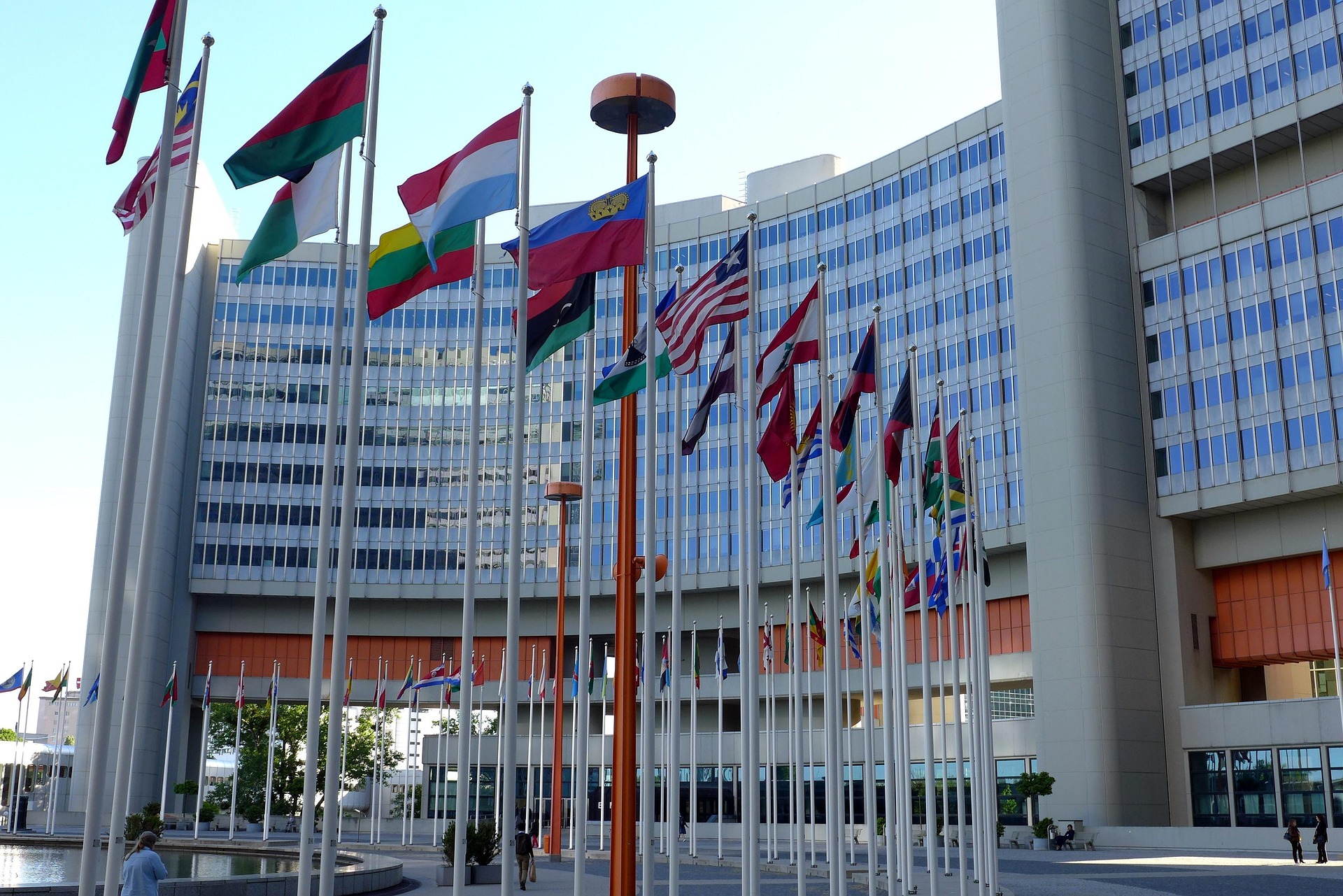
UN in Vienna

Excursions

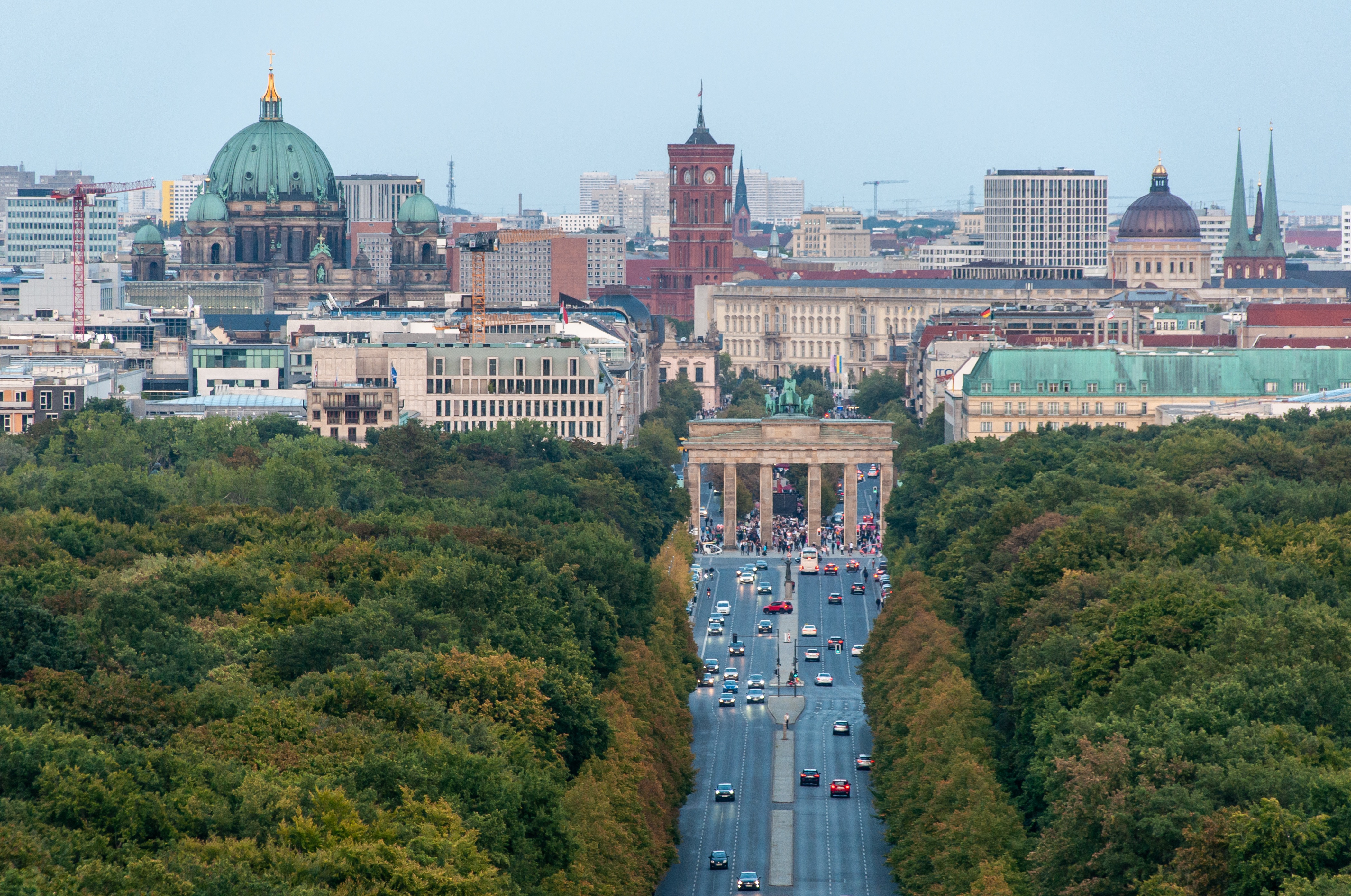
We will start the trip in Germany’s capital Berlin and discuss the “Energiewende”, the change in approach with which Germans want to handle climate change and the country’s energy needs. We will talk to political actors, activists, and those who have felt left behind. We will see the gaps between green ambition and lived reality. And we will visit sights and museums that remind Germans how societal change that leaves too many behind can backfire.

We will take a four-hour train first through former East Germany’s coal mining region, then along the lovely river Elbe through “Saxonian Switzerland”, and finally through northern Bohemia to the Czech capital Prague. Prague boasts Europe’s largest castle with a view across the river Vltava to the meticulously restored old town and a cathedral from the 14th century. Built along the river Vltava, Prague has suffered devastating floods, including one of the worst in 2002. This event became a wake-up call to reckon with environmental excesses of the communist past and focus on ecological resilience not least in the face of a changing climate. We will see the new flood barriers in Old Town, experience the river from the water, and learn about the lasting effects of coal mining in Eastern Europe.

Another four-hour train trip will take us to Vienna, where we will see how a country that as a neutral country during the Cold War stayed above the fray of East-West division. Vienna is not only the center of the Habsburg Monarchy but also the cultural capital of central Europe, one of three seats of the United Nations, and the International Atomic Energy Agency. In Vienna we will visit a new neighborhood of the city that was designed and built as a model for sustainability, visit the UN headquarters, and get a tour of a fully constructed nuclear power plant that never entered service because of public protests. We will also have time to experience Vienna’s baroque beauty, stroll along the Danube, and enjoy Viennese culture, wine, and hospitality.

Itinerary

Itinerary is subject to change.

  • Day 1: Monday, May 16/17 (Pentecost)
    Travel Day: U.S. to Berlin
    Leave the U.S. on May 16, arriving in Berlin in the early afternoon of May 17, probably a bit jet lagged. Check into Hotel Oderberger and have an early dinner together.
     
  • Day 2: Tuesday, May 18 
    Energy Policy Change: Who decides? Who is asked? Who is left behind?
    Morning visit to Bundestag (Parliament) and a meeting with a local political group for discussion. Packed picnic lunch before an afternoon walk to see Brandenburger Tor, Jewish Memorial, a reminder what can happen when democracy fails. Dinner together in the evening.
     
  • Day 3: Wednesday, May 19 
    Climate Neutral, Sustainable (and Fair) Cities
    Morning visit to BUREF (European Energy Forum), a think tank for climate neutral smart city development, including a guided tour. Lunch on your own as a group at Markthalle 9. Afternoon guided walking tour of the Neukölln neighborhood, followed by dinner on your own in Neukölln or closer to Hotel Oderberger.
     
  • Day 4: Thursday, May 20
    The Future is Here
    Morning visit to Museum Futurium to take the Mission Possible 2046 tour. Lunch on your own and free time in the afternoon. Suggestions will be provided, but you can decide what you want to explore. The evening is left open for a possible local cultural event such as an opera or concert performance. 
     
  • Day 5: Friday, May 21
    Travel to Prague
    Depart Berlin at 9:28 a.m., arrive Prague 1:30 p.m. (potential for times to change; bring a packed lunch)
    Check into Hotel Falkensteiner and then take an afternoon stroll in Old Town before enjoying dinner together.
     
  • Day 6: Saturday, May 22
    Climate Change Resilience
    Morning walking tour of Old Town and the river flood barriers. Enjoy your packed lunch before an afternoon visit to DOX Museum of Contemporary Art and dinner on your own. Dinner on your own.
     
  • Day 7: Sunday, May 23
    Climate, Power, and the Historic Extraction Economy
    Morning guided tour of Prague Castle followed by lunch on your own. Free afternoon to explore before an evening dinner river cruise.
     
  • Day 8: Monday, May 24 
    The Communist Carbon Legacy
    All day coal safari excursion to the Most region north of Prague. Lunch is included in the tour, but dinner is on your own.
     
  • Day 9: Tuesday, May 25
    Travel to Vienna
    Depart Prague at 9 a.m., arrive Vienna 1:18 p.m. (potential for times to change; bring a packed lunch)
    Check into Hotel Mooons Vienna and then take an afternoon stroll to Old Town including St. Stephansdom before enjoying dinner together.
     
  • Day 10: Wednesday, May 26
    Utopia of Sustainable Urban Life
    Morning tour of Aspern-Seestadt before enjoying a packed lunch. Then in the afternoon, tour the United Nations before a discussion about GMOs during a catered dinner.
     
  • Day 11: Thursday, May 27
    Sustainability in Art, Science, and Culture
    Morning visit to Museum Hundertwasser followed by a free afternoon to explore. Evening concert or opera performance.
     
  • Day 12: Friday, May 28
    Nuclear Power: Carbon Neutral or Unsustainable?
    Morning tour at Zwenkendorf nuclear power plant near Heurigen, a town in the foothills where we will enjoy a group dinner.
     
  • Day 13: Saturday, May 29
    Travel Day: Vienna to U.S. (or other adventures)
    Departure after a final group breakfast.
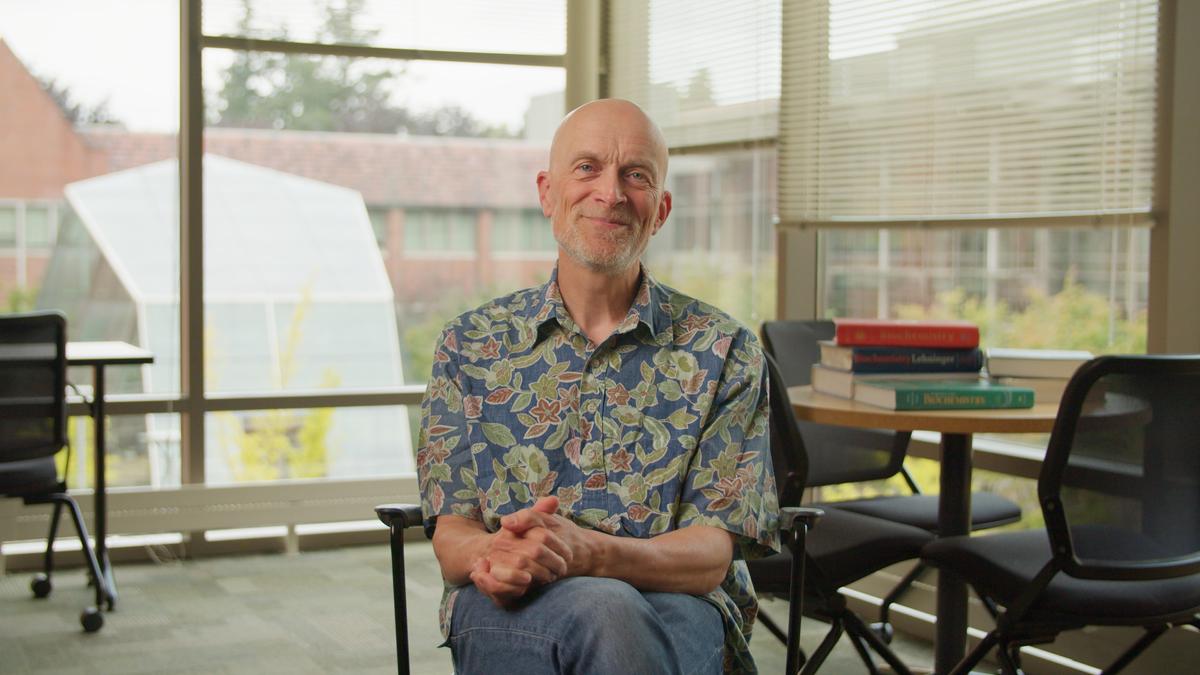
Professor Andreas Madlung

Professor Andreas Madlung

Andreas Madlung is a professor in the Department of Biology at the University of Puget Sound. A plant biologist by training, for the past three decades Professor Madlung’s work has focused on how plants respond to their surroundings, their behavior in stressful conditions, and in particular their use of light receptors to orient themselves in time and space.

Born in Hamburg in what was formerly West Germany, Madlung grew up in a family that was divided between east and west by the Cold War. He witnessed first-hand the difficulties of maintaining family ties across the Iron Curtain and traveled extensively in Germany before, during, and after the fall of the Berlin Wall. During the 2023–24 academic year Madlung lived in Berlin, where he conducted research.

His longstanding scholarly pursuits explore how organisms, particularly plants, deal with changing environments both on the cellular as well as the whole organism level. Living in Berlin inspired Madlung to take a closer look at how eastern and central European countries have tackled environmental challenges and are now fortifying their cities against the consequences of climate change by becoming more sustainable and at the same time more livable for all their inhabitants. 

Madlung has published extensively with undergraduate researchers, postdocs, and technicians from his laboratory at Puget Sound. His research has been funded by the U.S. National Science Foundation, the Murdock Charitable Trust, and the American Society for Plant Biology. His first book The adaptive plant: How physiological ingenuity allows plants to cope with climate change is due to appear in 2027.

More About Prof. Madlung

Ready to Pack Your Bags?

Let us know you're interested in this once-in-a-lifetime faculty-led alumni tour in Central Europe!